| Primary role | Vitamin A supports normal vision, reproduction, growth, epithelial tissues, and immune-system function. | Adequate intake supports normal immune function, but taking more than needed does not guarantee stronger immunity. |
| Recommended Dietary Allowance (RDA): adult women | 700 mcg RAE per day for women aged 19 years and older. | Use the RDA as a daily intake target from food and, when needed, supplements combined. |
| Recommended Dietary Allowance (RDA): adult men | 900 mcg RAE per day for men aged 19 years and older. | Individual requirements can vary with age, health status, and diet quality. |
| Pregnancy | 770 mcg RAE per day for pregnant adults. | Avoid high-dose vitamin A supplements during pregnancy unless specifically prescribed by a healthcare professional. |
| Breastfeeding | 1,300 mcg RAE per day for breastfeeding adults. | Discuss supplement selection with a qualified healthcare professional, particularly when using multiple products. |
| Tolerable Upper Intake Level (UL) | 3,000 mcg RAE per day for adults, applying to preformed vitamin A from animal foods and supplements. | The UL does not apply to beta-carotene from food. Check labels to avoid unintentionally combining high-dose products. |
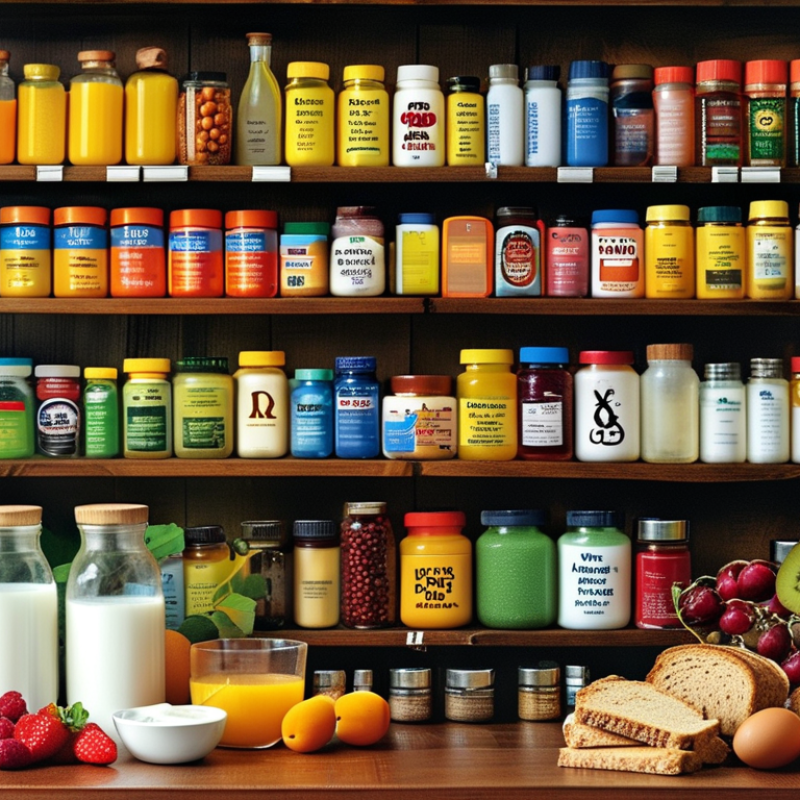
| Recommended food sources | Sweet potatoes, carrots, spinach, kale, pumpkin, fortified milk, eggs, and some fish. | A varied diet usually provides vitamin A through preformed vitamin A and provitamin A carotenoids. |
| Preformed vitamin A | Retinol and retinyl esters are found mainly in animal foods and some dietary supplements. | Excessive supplemental or dietary preformed vitamin A can cause toxicity; liver is particularly concentrated. |
| Provitamin A carotenoids | Beta-carotene and related carotenoids are converted by the body into vitamin A; common sources are orange, yellow, and dark-green vegetables. | Food-based carotenoids are generally preferred. High-dose beta-carotene supplements are not appropriate for people who smoke or formerly smoked. |
| Signs associated with deficiency | Severe deficiency may impair vision, especially in low light, and weaken immune defenses. Deficiency is uncommon in healthy adults with varied diets in many countries. | Do not self-diagnose based on symptoms. Risk can be higher with fat-malabsorption disorders or severely restricted diets. |
| Unit on supplement labels | Vitamin A is listed in micrograms (mcg) RAE. 1 mcg RAE equals 1 mcg retinol, 12 mcg dietary beta-carotene, or 24 mcg other provitamin A carotenoids. | Compare the label with the RDA and account for all vitamin A-containing foods and supplements. |
| Medication and health considerations | Vitamin A can interact with some medicines, and high intakes may be unsafe in pregnancy or certain liver conditions. | Ask a healthcare professional before supplementation if pregnant, managing liver disease, taking retinoid medicines, or using several supplements. |
| Selection guideline | Choose a product only when dietary intake is inadequate or a healthcare professional recommends it. | Prefer an amount close to the individual RDA rather than a megadose, and avoid combining multiple vitamin A products. |




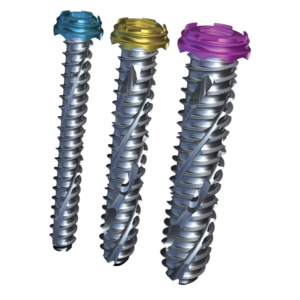

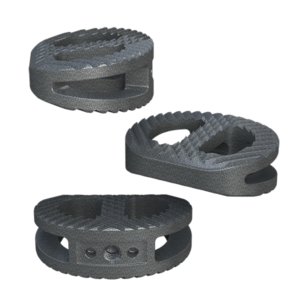 System Features
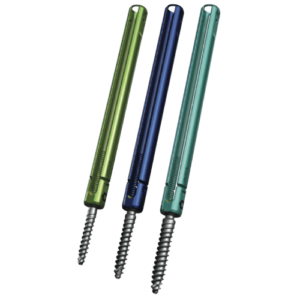 Key Features
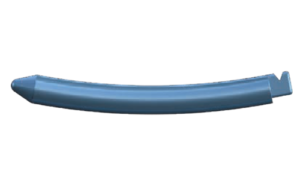 Key Features
 Key Features
 Key Features
 Key Features
 Key Features

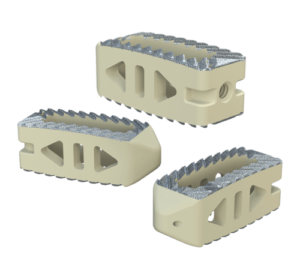

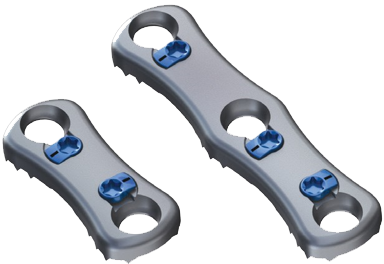

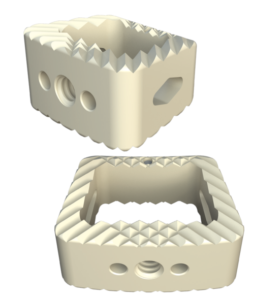 Key Features
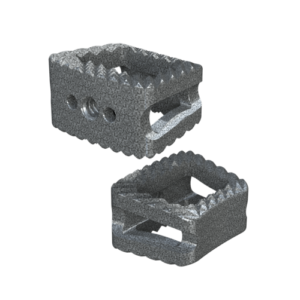 Key Features
 Key Features