| Biological Relevance | Relevance of the biomarker to Alzheimer’s disease pathology, disease stage, and intended use. | Peer-reviewed studies, mechanism-of-action rationale, human cohort data, and intended-use statement. | Evidence should cover the target population and specimen type relevant to the planned study. | Only preclinical evidence, unclear disease association, or no defined intended use. |
| Analyte Identity | Correct molecular identity, isoform, post-translational modification, or peptide sequence. | Certificate of analysis, sequence or structure information, mass confirmation, and identity testing method. | Identity must be confirmed using a method appropriate to the analyte, such as mass spectrometry, sequencing, or immunochemical characterization. | Generic target name without isoform, epitope, sequence, or modification details. |
| Analytical Specificity | Ability to distinguish the intended biomarker from homologous proteins, fragments, aggregates, and matrix interferents. | Cross-reactivity study, interference study, negative controls, and orthogonal confirmation. | No material cross-reactivity or interference at clinically relevant concentrations; the study design should be documented. | Specificity is claimed without tested interferents or control samples. |
| Sensitivity and Quantification Range | Limit of detection, lower limit of quantification, upper limit of quantification, and reportable range. | Calibration curves, blank and low-level replicates, dilution studies, and raw validation summaries. | The validated range should cover expected sample concentrations with acceptable accuracy and precision; LOD and LOQ should be defined separately. | A single “sensitivity” value is provided without a calculation method or concentration range. |
| Accuracy and Recovery | Agreement between measured and expected concentrations and recovery after sample preparation. | Spike-recovery results at low, mid, and high levels; comparison with a reference method when available. | Predefined accuracy and recovery limits should be met across the validated range; 80–120% is commonly used as a planning benchmark but must be study-specific. | Recovery is reported only at one concentration or outside the intended sample matrix. |
| Precision and Reproducibility | Repeatability within a run and reproducibility across runs, operators, instruments, days, and lots. | Coefficient of variation data, replicate counts, intermediate-precision study, and run acceptance rules. | A commonly used planning benchmark is CV ≤15% for routine levels and CV ≤20% near the lower quantification limit, subject to assay requirements. | Precision is based on duplicate measurements only or is reported without concentration-level details. |
| Linearity and Dilutional Integrity | Proportional response across the claimed range and accuracy after dilution of samples above the upper limit. | Multi-point calibration data, residual plots, dilution recovery, and parallelism results where applicable. | The calibration model should be justified, and diluted samples should meet predefined accuracy and precision criteria. | Reliance on a high correlation coefficient alone without residual or dilution data. |
| Matrix Compatibility | Performance in the exact matrix, such as plasma, serum, cerebrospinal fluid, or brain tissue extract. | Matrix-effect experiments, sample-type validation, anticoagulant comparison, and representative donor testing. | Validation should use the same matrix, collection tube, and sample-preparation conditions planned for the study. | Performance is demonstrated only in buffer or a different specimen type. |
| Stability and Handling | Stability during shipping, storage, freeze–thaw cycles, short-term handling, and post-preparation holding. | Stability protocol, storage conditions, tested durations, freeze–thaw cycles, and acceptance limits. | Conditions should reflect the complete workflow; deviations and allowable exposure times must be documented. | Only a recommended storage temperature is supplied, with no stability study. |
| Lot-to-Lot Consistency | Consistency of potency, binding or signal response, purity, and background across production lots. | Comparability report, lot-bridging data, release specifications, and retained-sample testing procedure. | At least three representative lots should be compared when feasible, using predefined equivalence or comparability criteria. | Only one lot has been tested or lot changes are not communicated in advance. |
| Orthogonal Validation | Confirmation of the biomarker result using a method based on a different analytical principle. | Method-comparison data, correlation analysis, representative chromatograms or spectra, and discrepant-case review. | Preferably, key findings are supported by an independent platform, such as immunoassay plus mass spectrometry. | All evidence comes from one method with no independent confirmation. |
| Quality Documentation and Traceability | Traceability of raw materials, production history, quality controls, deviations, and corrective actions. | Certificate of analysis, batch or lot number, expiry date, storage instructions, change-control policy, and quality-system documentation. | Every shipped lot should be uniquely traceable and accompanied by product-specific release information. | Undated certificates, missing lot identifiers, incomplete specifications, or undocumented changes. |
| Technical Support and Continuity | Ability to support assay optimization, troubleshooting, replacement, supply continuity, and notification of formulation or process changes. | Technical contact details, response-time commitment, change-notification procedure, inventory plan, and contingency options. | The supplier should define escalation routes and provide advance notice for material changes that could affect performance. | No documented change-control process or no technical support after purchase. |






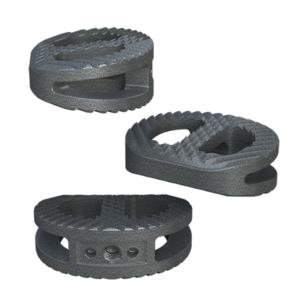 System Features
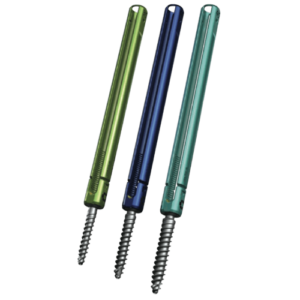 Key Features
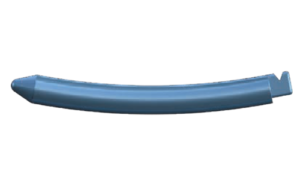 Key Features
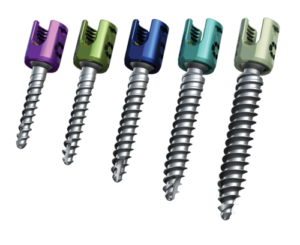 Key Features
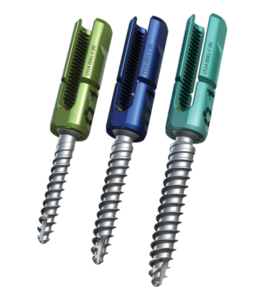 Key Features
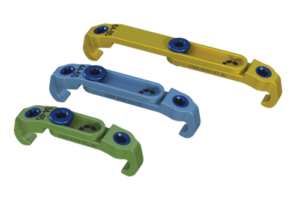 Key Features
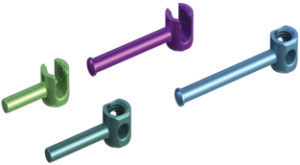 Key Features
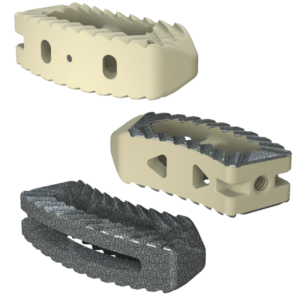
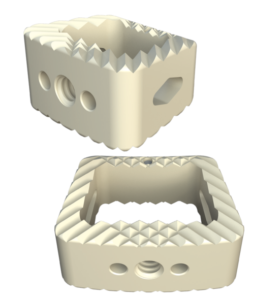 Key Features
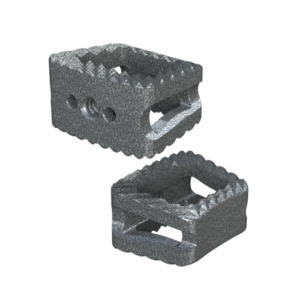 Key Features
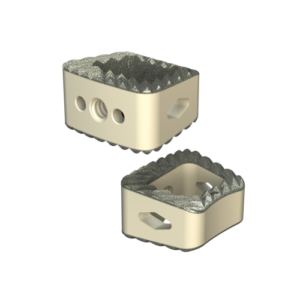 Key Features