| Product identity | Confirm whether the material is potassium humate, sodium humate, humic acid, or a blend. Ask for the source material and the product’s intended grade. | These products differ in composition, solubility, counter-ions, and suitable applications; the names are not interchangeable. | Request a current product specification and ask how the supplier defines “high purity.” |
| Purity and composition | Review the stated humic-acid or humate content, moisture, ash, and other declared composition values, along with the test methods used. | A single headline percentage may not describe the complete composition. Results should be interpreted alongside the analytical method and product form. | Request a batch-specific certificate of analysis (CoA), including units, test methods, and acceptance limits. |
| Solubility and physical form | Check whether the powder, granule, or liquid dissolves or disperses as required for the intended use. | Solubility and dispersion can affect handling, mixing, filtration, and application performance. | Ask for the test conditions, such as water quality, concentration, temperature, and mixing procedure. |
| Raw-material sourcing | Ask whether the humate is derived from leonardite, oxidized lignite, or another stated source, and how incoming material is screened. | Source material and its variability can influence composition and the need for processing or quality controls. | Request source documentation and the supplier’s incoming-material inspection criteria. |
| Production process | Understand the main steps: raw-material preparation, alkaline extraction where applicable, separation of insoluble matter, concentration, drying, and milling or granulation. | Process controls help explain product consistency and identify where unwanted solids or contaminants may be reduced. | Ask which steps are used for the specific product and how critical process parameters are monitored. |
| Contaminant controls | Review risk-based testing for relevant heavy metals, insoluble residues, and other contaminants required by the intended market or application. | Requirements vary by country, use, and product classification, so testing should match the applicable regulations and customer specifications. | Request recent laboratory results, test methods, and details of whether testing is performed in-house or by an independent laboratory. |
| Batch consistency | Compare analytical results across multiple production lots and check whether specifications are controlled with documented procedures. | Consistent composition and physical properties reduce the risk of changes in processing or application performance. | Ask for representative CoAs from different lots and the process used to investigate out-of-specification results. |
| Quality documentation | Check for traceable batch identification, documented test procedures, change control, and a quality-management system appropriate to the product. | Clear records support traceability and help resolve quality issues throughout the supply chain. | Review sample labels, specification documents, CoAs, and relevant quality-system certifications where applicable. |
| Sampling and verification | Agree on representative sampling, sample handling, analytical methods, and procedures for resolving differences between test results. | Consistent sampling and comparable methods make supplier and independent laboratory results more meaningful. | Request a pre-shipment sample and confirm that the agreed test methods can be applied to the supplied product form. |
| Packaging and storage | Confirm packaging protects the product from moisture and contamination, and review storage and shelf-life guidance. | Humate products can absorb moisture or be affected by poor handling, potentially changing flow and storage properties. | Check packaging material, net weight, batch marking, storage instructions, and any stated shelf-life conditions. |
| Supplier suitability | Assess production capacity, lead times, technical support, export documentation, and the ability to meet the required specification. | A supplier should be able to support the required volume and provide reliable documentation as well as a product that meets technical needs. | Discuss expected order volumes, change-notification practices, complaint handling, and contingency planning. |





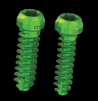
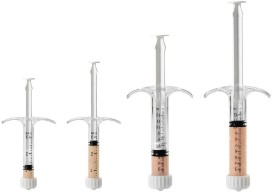
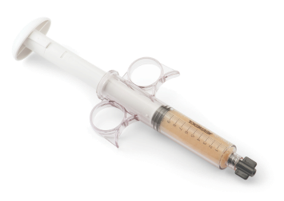
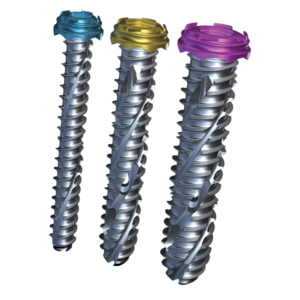

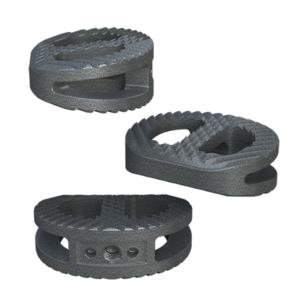 System Features
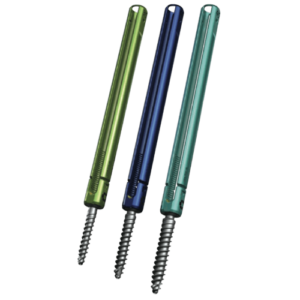 Key Features
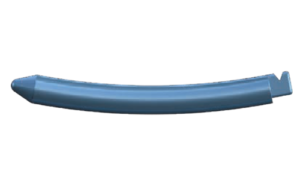 Key Features
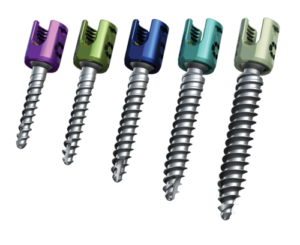 Key Features
 Key Features
 Key Features
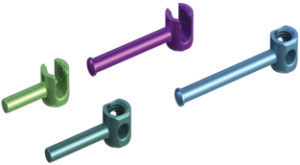 Key Features
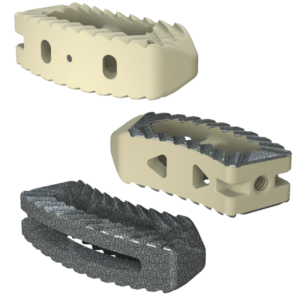
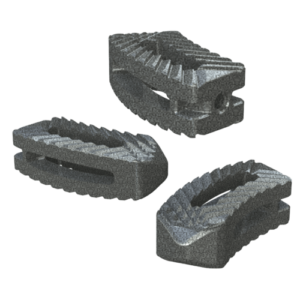
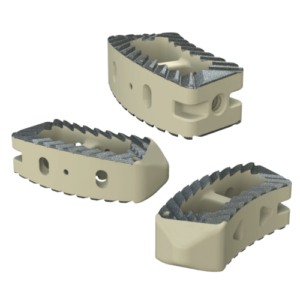
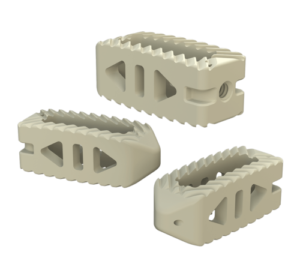
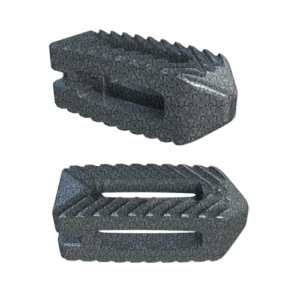
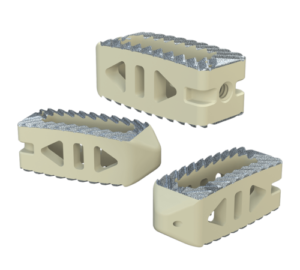
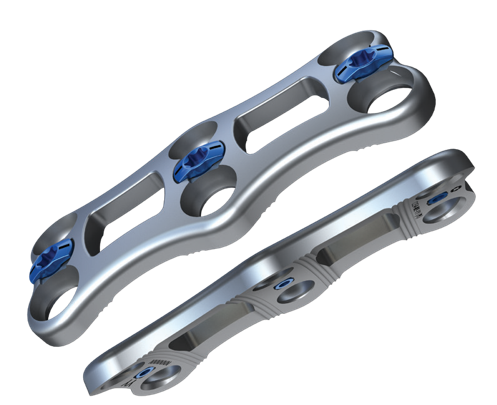
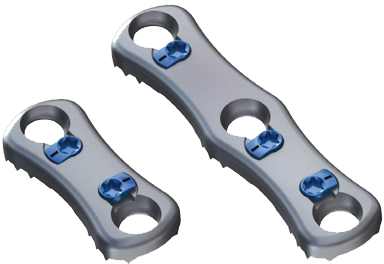
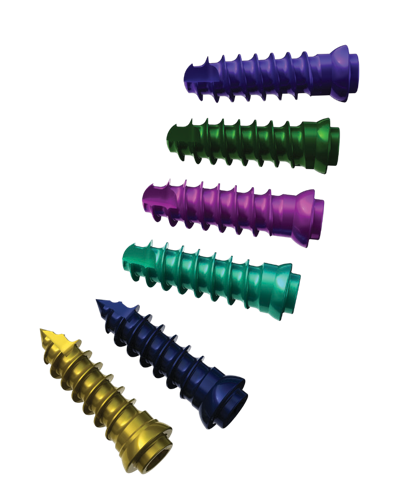
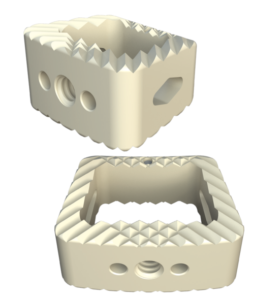 Key Features
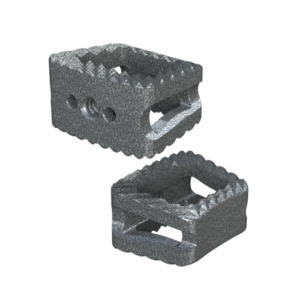 Key Features
 Key Features