| Product identity | Product name, CAS number, molecular form, origin, and intended application | Sodium hyaluronate is commonly identified by CAS No. 9067-32-7. The specification should clearly state whether the material is intended for cosmetic, food, pharmaceutical, or research use. | Match the quotation, specification sheet, label, SDS, and COA. Do not rely on the product name alone. | Confirm before sampling |
| Molecular weight or viscosity grade | Declared molecular-weight range or viscosity specification, test method, and concentration used for testing | The result must be compared with the agreed product specification. Viscosity values are not directly comparable unless concentration, solvent, temperature, spindle, and shear conditions are identical. | Request the method and raw or controlled test report. Compare three independent production batches. | Pass only if method matches |
| GMP status | Current GMP certificate or official inspection evidence applicable to the product and manufacturing site | The certificate should identify the legal manufacturing site, scope, issue date, expiry date, and applicable product category. GMP is not a single worldwide certificate with identical requirements in every jurisdiction. | Check the issuing authority or certification body, certificate scope, site address, validity, and whether the certificate covers sodium hyaluronate production. | Required for regulated use |
| ISO 9001 certification | Current ISO 9001 certificate and certification scope | ISO 9001 confirms a quality-management-system certification within the stated scope; it does not by itself certify product purity, sterility, safety, or regulatory approval. | Verify the certificate number, accredited certification body, scope, site address, and validity through the certification body where possible. | Useful system evidence |
| Certificate of Analysis (COA) | Batch-specific COA issued by the quality unit | A useful COA normally includes batch number, manufacturing date, retest or expiry date, specification limits, actual results, test methods, approval status, and authorized quality approval. | Confirm that the COA batch number and quantity match the shipping label and purchase documentation. Reject undated or generic COAs. | Mandatory for release |
| Identification test | Identity method and result | The identity result should conform to the agreed pharmacopeial, compendial, or validated in-house method. A single unspecified “positive” result is insufficient for high-risk applications. | Review the method reference, acceptance criterion, instrument record, and laboratory authorization. | Must conform |
| Purity and composition | Assay or purity result, moisture or loss-on-drying, and residual protein where applicable | Acceptance limits must be written in the purchase specification. Purity claims without a defined method, unit, and limit cannot be independently evaluated. | Compare actual results with the signed specification and review laboratory method validation or verification records when required. | Specification-dependent |
| Microbiological quality | Total aerobic microbial count, total yeast and mold count, and specified organisms relevant to the intended use | Limits must follow the applicable product category, customer specification, and destination-market requirements. “Microbiologically tested” without numerical results is not adequate. | Request numerical results, units, methods, sampling plan, and laboratory qualification details. | Review every batch |
| Endotoxins and sterility | Endotoxin and sterility data when the intended use requires them | Endotoxin control and sterility are separate requirements. A non-sterile cosmetic or food-grade material should not be represented as sterile without appropriate validated evidence. | Confirm the intended use, test method, limit, sampling plan, and chain of custody. Obtain regulatory review for injectable or medical applications. | Risk-based requirement |
| Heavy metals and elemental impurities | Elemental impurity panel and analytical method | The panel and limits should reflect the raw-material risk assessment and destination-market requirements. ICP-MS or ICP-OES may be used when suitably validated. | Request numerical results rather than “complies,” including units, reporting limits, and laboratory method. | Verify by risk assessment |
| Three-batch test records | Complete test records for three consecutive commercial-scale batches | Each record should include batch number, batch size, manufacturing date, sampling information, test results, deviations, OOS investigations, and final quality disposition. The three batches should be from routine production, not only development samples. | Check consistency across identity, assay or purity, moisture, viscosity or molecular weight, microbial quality, and other agreed critical attributes. | Strongly recommended |
| Traceability and change control | Lot traceability, raw-material origin, change-control procedure, and notification commitment | The supplier should be able to trace critical raw materials, processing records, packaging, testing, and distribution for each lot. | Request a redacted traceability example and written notification terms for changes to process, site, raw materials, specification, or test method. | Required for repeat supply |
| Packaging and storage | Packaging material, net weight, storage conditions, shelf life, and transport protection | Packaging should protect the hygroscopic powder from moisture and contamination. Storage conditions and shelf life must be supported by stability or established product data. | Inspect packaging integrity, label accuracy, desiccant or barrier protection where specified, and temperature or humidity requirements during transport. | Approve before shipment |
| Independent verification | Pre-shipment sample, third-party laboratory testing, and supplier audit access | For higher-risk or regulated purchases, independent testing should confirm the critical quality attributes agreed in the specification. Testing should not replace supplier qualification and document review. | Use a qualified laboratory, documented sampling plan, sealed sample chain of custody, and predefined release criteria. | Recommended before bulk release |






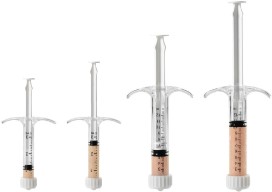
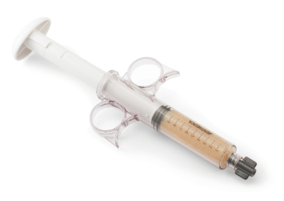


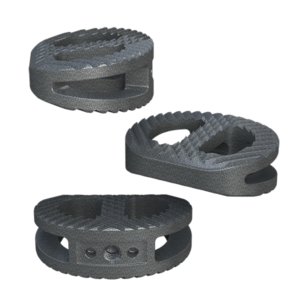 System Features
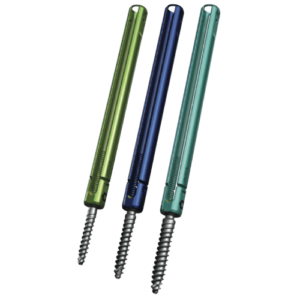 Key Features
 Key Features
 Key Features
 Key Features
 Key Features
 Key Features


 Key Features
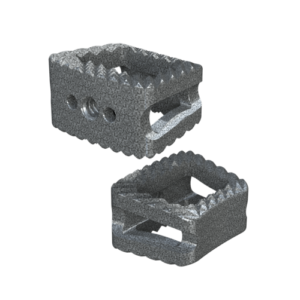 Key Features
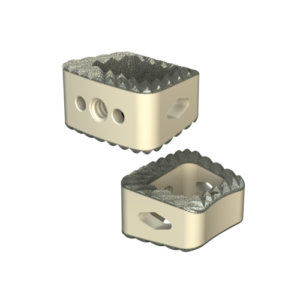 Key Features