| Product form | Free-flowing powder, oil-dispersible beadlets, or water-dispersible beadlets; common commercial strengths are approximately 5%, 10%, and 20% lutein. | Assay basis, carrier composition, particle size, moisture, dispersibility, and whether the percentage is reported on an as-is or dry basis. | A higher declared percentage may not provide equivalent usable lutein if the assay basis or dispersion performance differs. | Compare suppliers on delivered cost per kilogram of active lutein, not only on price per kilogram of powder. |
| Indicative price: 5% powder | Approximately USD 35–75 per kg for standard food or supplement-grade material, excluding freight, duties, testing, and special packaging. | Minimum order quantity, packaging format, payment terms, Incoterms, shelf life, and whether analytical testing is included. | Low quotations may exclude testing, documentation, freight, or stabilization costs. | Request a full landed-cost quotation using the same specification and delivery term for every bidder. |
| Indicative price: 10% powder | Approximately USD 65–130 per kg for standard commercial grades, with higher pricing for tighter specifications or smaller lots. | Actual lutein assay, overage policy, antioxidant system, carrier allergens, and batch-to-batch consistency. | Price volatility can result from marigold flower supply, extraction yield, foreign exchange, and freight costs. | Use a quarterly price-review formula and maintain at least two technically qualified supply sources. |
| Indicative price: 20% powder | Approximately USD 125–260 per kg for commercial supplement-grade beadlets; specialty grades may be higher. | Encapsulation efficiency, oxidation stability, flowability, dissolution or dispersion time, and storage conditions. | High-concentration products may show poorer dispersion or faster degradation if the matrix is unsuitable. | Approve the material only after application testing in the intended formulation. |
| Origin and supply base | Commercial supply is commonly linked to marigold cultivation and extraction capacity in Asia, Europe, and the Americas. | Country of origin, manufacturing site, raw-material traceability, processing steps, and history of regulatory or customs issues. | Crop failure, extreme weather, export restrictions, port congestion, or concentration of production in one region. | Map tier-two raw-material risk and qualify an alternative origin before the first commercial purchase. |
| Typical lead time | Approximately 3–8 weeks for established stock or routine production; new development or qualification may require 8–16 weeks. | Production schedule, sample approval time, export documents, transit route, customs clearance, and buffer-stock policy. | A short quoted lead time may apply only to inventory that does not meet the required remaining shelf life. | Set a minimum remaining shelf-life requirement and hold 6–12 weeks of safety stock for critical products. |
| Identity and potency testing | HPLC or validated chromatographic testing is commonly used to confirm lutein identity and quantify lutein and related carotenoids. | Validated method, reference standard, chromatogram, assay calculation, reporting basis, and laboratory accreditation or qualification. | UV-only testing may not adequately distinguish lutein from other carotenoids or degradation products. | Use an independent laboratory for periodic confirmation and perform identity testing on every incoming batch. |
| Contaminant testing | Routine controls may include heavy metals, pesticides, residual solvents, microbiological parameters, and relevant mycotoxins. | Analyte list, limits, test methods, sample preparation, laboratory date, and compliance with the destination market. | A generic certificate may omit contaminants required by the importing country or final product category. | Create a destination-specific testing panel based on applicable food, supplement, and chemical regulations. |
| Microbiological quality | Typical release checks include total aerobic microbial count, yeast and mold, and absence or limits for specified pathogens. | Applicable pharmacopeial or ISO method, sample size, specification limits, and environmental monitoring controls. | Moisture ingress during storage or transport can increase microbial risk and reduce flowability. | Use moisture-barrier packaging, desiccants where suitable, and verify container integrity at receipt. |
| Stability and storage | Carotenoids are sensitive to light, oxygen, heat, and moisture; unopened material is commonly stored in a cool, dry, light-protected environment. | Real-time and accelerated stability data, packaging configuration, recommended temperature, humidity limits, and post-opening instructions. | Assay loss or color change may occur when packaging is repeatedly opened or exposed to heat and oxygen. | Specify nitrogen flushing or equivalent protection where justified, limit warehouse exposure, and use FEFO inventory control. |
| Supplier qualification | Qualification should cover quality systems, manufacturing controls, traceability, change control, complaint handling, and business continuity. | Audit report, quality agreement, GMP or food-safety certification, recall procedure, insurance, and recent batch records. | Certificates alone do not demonstrate process capability or consistent batch performance. | Combine document review, sample testing, remote or on-site audit, and three-batch qualification. |
| Commercial terms | Common comparison points include USD/kg, minimum order quantity, payment terms, Incoterms, freight, duties, and price validity. | Clarify which party bears freight, insurance, customs, inspection, demurrage, and losses caused by temperature or packaging failure. | The lowest ex-works price may become the highest landed cost after logistics and quality-control expenses. | Evaluate total landed cost and include quality claims, replacement, and late-delivery provisions in the contract. |
| Procurement risk rating | Medium risk for routine, well-documented material; high risk where there is single-source dependence, incomplete testing, or weak traceability. | Score supply continuity, quality history, regulatory fit, financial resilience, logistics exposure, and substitutability. | Unexpected changes in formulation, origin, carrier, extraction method, or packaging can affect regulatory status and performance. | Require prior written change notification, maintain approved alternates, and requalify material after significant changes. |






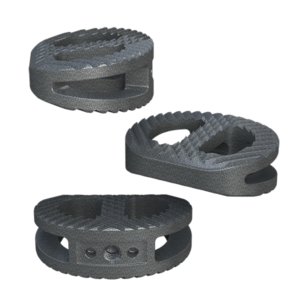 System Features
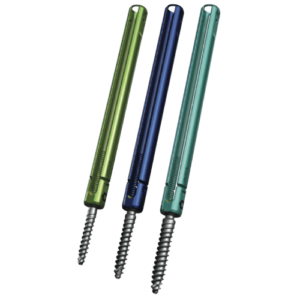 Key Features
 Key Features
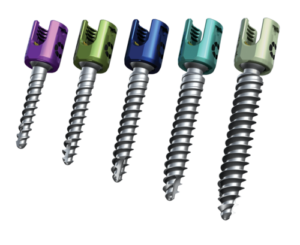 Key Features
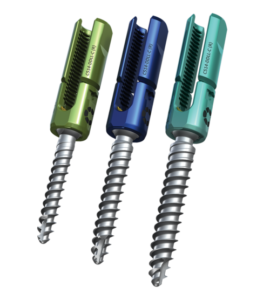 Key Features
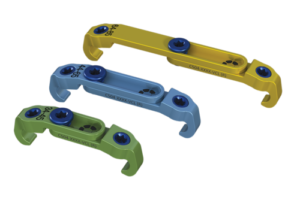 Key Features
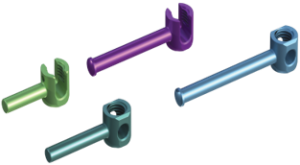 Key Features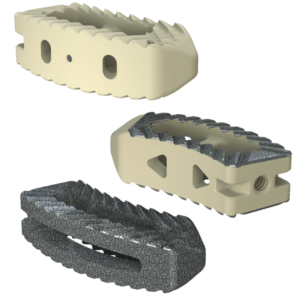
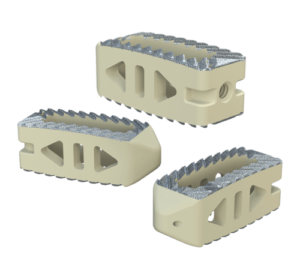

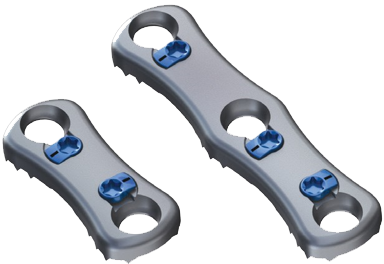

 Key Features
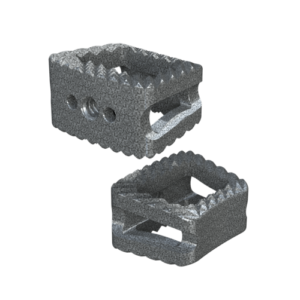 Key Features
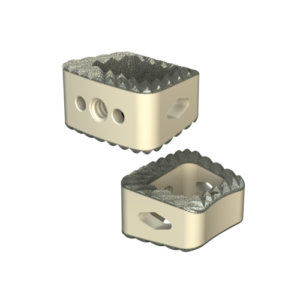 Key Features