What Are Food Safety Kits and Why Do You Need Them?

Food Safety Kits are essential tools for anyone handling food. Whether for home kitchens or food businesses, these kits help ensure food safety. They are designed to prevent foodborne illnesses, which can have serious health consequences.

Imagine preparing a meal without knowing if your ingredients are safe. Food Safety Kits can help eliminate this uncertainty. They include thermometers, sanitizer, and testing strips for pH levels. These items are vital for proper food handling and storage. Having access to a Food Safety Kit promotes better hygiene and safety practices.

Despite their importance, many people overlook these kits. This can lead to preventable mistakes in food preparation. Thinking about food safety is crucial, yet often neglected. Investing in Food Safety Kits is a proactive approach to safeguard health. Recognizing the value of these kits is the first step in creating a safer environment for food handling.

What Are Food Safety Kits and Why Do You Need Them?

What Are Food Safety Kits? An Overview of Their Components and Functionality

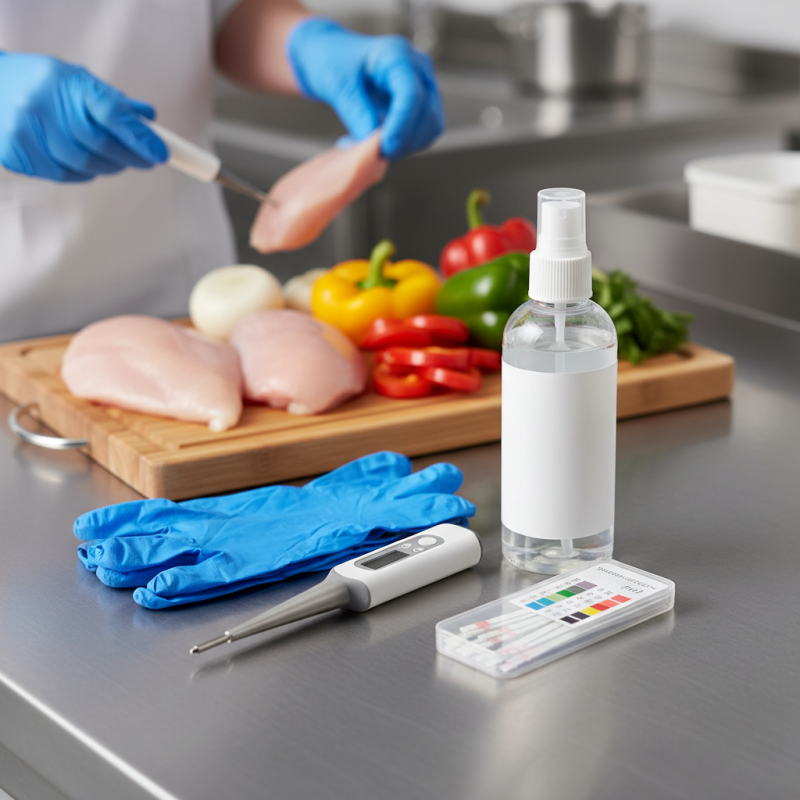
Food safety kits are essential tools designed to help individuals and businesses maintain safe food handling practices. These kits typically include various components such as thermometers, sanitizers, and food safety charts. Each item plays a crucial role in preventing contamination and ensuring food quality. For instance, a digital thermometer helps monitor cooking temperatures, which is vital for killing harmful bacteria.

In addition to thermometers, you may find gloves, cleaning wipes, or color-coded cutting boards in a food safety kit. Each tool is carefully selected to address specific food safety challenges. However, accessibility and proper usage can be an issue for many. Not everyone takes the time to learn the correct procedures. This gap in knowledge can lead to mistakes that compromise food safety.

Visual aids can enhance understanding but are often overlooked. Users may misplace or misuse the tools, rendering them ineffective. Food safety kits should be treated as learning resources as well. Recognizing the component’s importance is key to enhancing safety practices. More awareness and attention to detail can lead to better outcomes in food handling efforts.

What Are Food Safety Kits and Why Do You Need Them?

Component Functionality Importance
Thermometer Measures food temperature to ensure it’s safe for consumption. Prevents foodborne illnesses by ensuring proper cooking temperatures.
pH Test Strips Tests the acidity/alkalinity of food items. Ensures proper preservation and safety of food items.
Sanitizing Wipes Cleans surfaces to remove contaminants. Reduces the risk of cross-contamination in food preparation areas.
Food Safety Checklist Guides users in maintaining food safety protocols. Promotes understanding of food handling best practices.
Color-Coded Cutting Boards Separates different food types to prevent cross-contamination. Essential for hygiene and preventing foodborne diseases.

Importance of Food Safety Kits in Preventing Foodborne Illnesses and Contamination

Food safety kits play a crucial role in preventing foodborne illnesses. According to the CDC, about 48 million people in the U.S. get sick from contaminated food each year. This staggering figure highlights the need for proper food handling and safety measures.

A food safety kit typically includes essential items such as food thermometers, sanitizing wipes, and gloves. These tools help ensure that food is cooked to safe temperatures and handled hygienically. Inadequate food safety practices can lead to serious health risks. In fact, the WHO states that one in ten people worldwide falls ill due to contaminated food.

Many people underestimate the importance of using these kits. They might think they can get by without them, but that's a dangerous mindset. Foodborne pathogens can thrive in many environments. Simple mistakes can lead to severe consequences. For instance, using a thermometer incorrectly can result in undercooked meat. Neglecting cross-contamination can turn a family meal into a health crisis. Awareness of these risks is vital in our everyday lives.

Importance of Food Safety Kits in Preventing Foodborne Illnesses

The chart above illustrates the incidence rates of various food safety risks that can lead to foodborne illnesses. Bacterial contamination poses the highest risk, followed by chemical and physical contamination, as well as food allergies. Food safety kits play a critical role in preventing these risks by providing essential tools and resources for safe food handling and preparation.

Key Components of Food Safety Kits: Essential Tools and Their Uses

Food safety kits are crucial for anyone involved in food preparation. These kits usually contain essential tools to help ensure food safety. Thermometers, gloves, and sanitizer are among the must-haves. Each tool serves a specific purpose in preventing foodborne illnesses.

A food thermometer is essential. It helps check the internal temperature of cooked foods. Under-cooked meat can harbor harmful bacteria. Making sure your food reaches the right temperature minimizes that risk. Gloves protect your hands when handling raw foods. They prevent cross-contamination, which can occur if you touch other items without washing your hands.

Here are a couple of tips to enhance your food safety practices. Always keep your kit stocked and check expiration dates regularly. Having expired items might lead to ineffective cleaning or safety practices. Also, keep your food safety kit in a designated and easy-to-reach spot. That way, you won't waste time looking for tools when you need them most. Proper organization saves time and helps maintain hygiene. Remember, a small oversight can have significant consequences.

Industry Standards and Regulations Guiding the Use of Food Safety Kits

Food safety kits play a crucial role in ensuring compliance with industry standards and regulations. These kits typically contain essential tools for monitoring and maintaining safe food handling practices. For example, they may include thermometers, pH indicators, and sanitizing wipes. Adhering to established guidelines helps prevent foodborne illnesses, which can have devastating effects on public health.


Regulations surrounding food safety vary from country to country. They dictate how food must be stored, prepared, and served. Ignoring these standards can lead to legal ramifications and serious health risks. Many businesses find themselves struggling to meet these obligations. Regular inspections and audits require complete transparency in food safety practices. The pressure to comply might feel overwhelming.


Incorporating food safety kits is a step towards better hygiene and safety. However, it’s not a one-size-fits-all solution. Some establishments may overlook the importance of employee training on using these kits effectively. Others might neglect regular maintenance. Clarifying how to use these tools properly is essential. Compliance isn’t just about having the kits on hand; it’s about using them wisely.

Statistics on Foodborne Illnesses: The Impact of Effective Food Safety Measures

Foodborne illnesses remain a significant public health issue. According to the Centers for Disease Control and Prevention (CDC), roughly 48 million people in the United States get sick from contaminated food each year. This translates to about 1 in 6 Americans. The impact is severe, with 128,000 hospitalizations and 3,000 deaths annually. Effective food safety measures can significantly reduce these numbers.

Investing in food safety kits can be a game changer. These kits help monitor food temperatures and ensure proper hygiene. Simple practices, such as washing hands and using separate cutting boards, can prevent cross-contamination. A study by the Food Safety and Inspection Service (FSIS) indicates that proper food handling may reduce illness by 50%. That’s a substantial decrease.

Tip: Always check the temperature of cooked foods using a reliable thermometer. Ensure it reaches at least 165°F for poultry.

Another important step is regular training. Staying updated on food safety practices can be challenging yet crucial. Research shows that consistent education for food handlers can lead to better safety compliance. Many forget the importance of daily checks.

Tip: Set reminders for kitchen staff to perform food safety checks regularly. This small step can make a big difference in overall safety.