| Particle size and distribution | Request the full particle-size distribution, including the measurement method. “Fine” does not have one universal particle-size cutoff; specifications vary by product and intended use. | Powder metallurgy, metal additive manufacturing, coatings, and other processes where particle size affects packing, flow, or surface finish. | Review a current test report. Laser diffraction is covered by ISO 13320; sieve analysis of metal powders is covered by ASTM B214. |
| Particle shape and morphology | Clarify whether the powder is spherical, irregular, or flake-shaped. Shape affects flow behavior, packing, surface coverage, and suitability for a process. | Spherical powders are commonly specified for powder-bed additive manufacturing; flake powders are used in some metallic-effect coatings and pigments. | Request representative microscopy images and a product specification describing the morphology and its acceptable variation. |
| Purity and chemical composition | Check the aluminum content and the limits for relevant impurities or alloying elements. Requirements depend on the application and applicable regulations. | Metal feedstock and powder metallurgy applications may require composition limits tailored to the final part or process. | Ask for a batch-specific certificate of analysis and confirm the analytical method and reporting units. |
| Flowability and apparent density | Assess whether the powder’s flow and packing characteristics are suitable for the buyer’s equipment and handling requirements. Results are method-dependent. | Powder feeding, die filling, and additive manufacturing processes that rely on consistent powder delivery. | ASTM B213 covers Hall flow rate testing, and ASTM B212 covers apparent density testing for free-flowing metal powders. |
| Surface condition and oxide | Ask how surface condition is characterized and whether any oxide or moisture limits apply to the specified grade. Do not assume results are comparable across different test methods. | Applications where surface chemistry, storage stability, or process consistency is specified by the end user. | Review the supplier’s specification, test methods, storage guidance, and batch documentation against the application requirements. |
| Application and grade fit | Match the powder grade to the intended process rather than selecting on particle size alone. Ask about process-specific trials and documented grade limits. | Metal additive manufacturing, powder metallurgy, metallic-effect coatings, and aluminum powder used as a pore-forming agent in some aerated-concrete production. | Confirm the intended application, required technical data, and any customer or jurisdiction-specific standards before purchase. |
| Packaging, transport, and handling | Confirm packaging integrity, traceability, storage conditions, transport classification, and the safety data sheet for the exact product. | All applications involving storage, transport, or processing of fine aluminum powder. | Fine aluminum powder can present combustible-dust and fire hazards. Follow the product safety data sheet and applicable local requirements; do not rely on generic handling assumptions. |
| Global supplier qualification | Compare suppliers using consistent specifications, sample evaluation, batch traceability, lead-time commitments, and export documentation. | Useful for buyers sourcing across borders for manufacturing, coatings, or other industrial uses. | Request a technical data sheet, safety data sheet, sample certificate of analysis, quality-system information, and written confirmation of the agreed specification. |




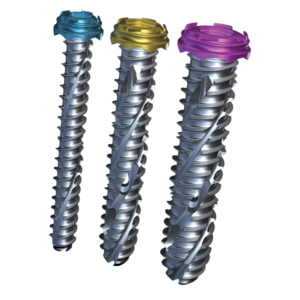

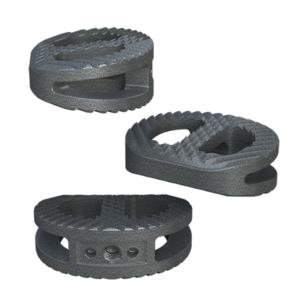 System Features
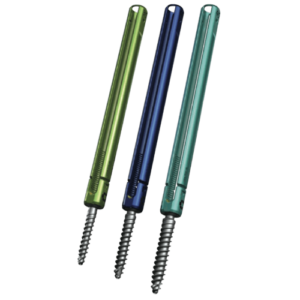 Key Features
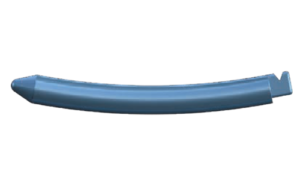 Key Features
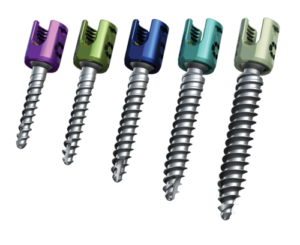 Key Features
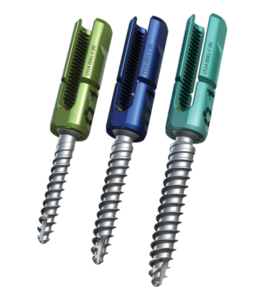 Key Features
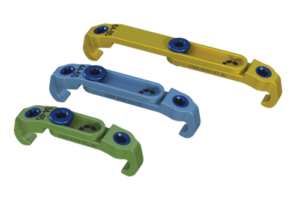 Key Features
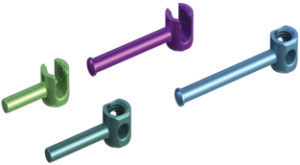 Key Features
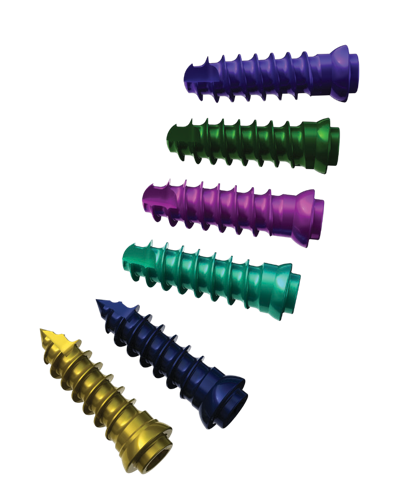
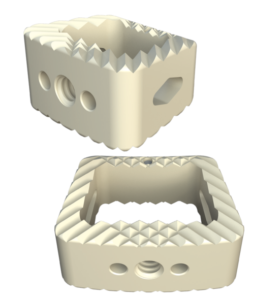 Key Features
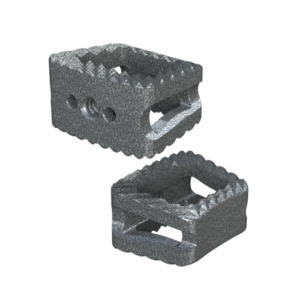 Key Features
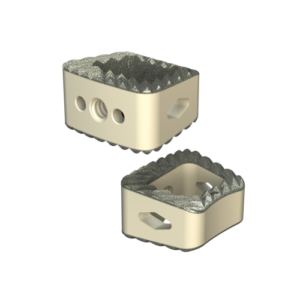 Key Features