| Professional licensing | An active license or registration issued by the relevant healthcare regulator in the practitioner’s location. | License status, scope of practice, and disciplinary history should be independently verifiable. | No license number, unverifiable credentials, or claims to treat every medical condition. | Search the practitioner’s name or license number in the official local regulatory database before booking. |
| Training and scope | Documented education in Chinese herbal medicine, supervised clinical training, and continuing education. | The practitioner clearly explains what services are legally permitted in the treatment location. | Vague training history, guaranteed cures, or advice to stop prescribed treatment without medical consultation. | Request qualification details and ask how the practitioner coordinates with a primary-care clinician. |
| Initial consultation | A structured intake covering symptoms, medical history, allergies, pregnancy status, medications, supplements, and relevant test results. | The first visit commonly lasts about 45–90 minutes, depending on location and service format. | A prescription is issued without health-history questions or medication review. | Ask for the consultation length, information required, follow-up process, and emergency-care policy. |
| Herbal product quality | Clear ingredient names, dosage instructions, batch or lot information, expiration date, storage guidance, and supplier traceability. | Products should be dispensed in labeled packaging with instructions in a language the patient understands. | Unlabeled powders, undisclosed ingredients, damaged packaging, or pressure to purchase large quantities. | Obtain a written formula or ingredient list and confirm how adverse reactions are reported. |
| Medication and interaction safety | A documented review of prescription drugs, over-the-counter medicines, supplements, and relevant conditions. | Extra caution is appropriate with anticoagulants, diabetes medicines, immunosuppressants, sedatives, pregnancy, liver disease, or kidney disease. | Statements that herbs are automatically safe because they are natural. | Give the practitioner a complete medication list and confirm whether a pharmacist or physician should review the plan. |
| Review quality | A consistent pattern of detailed reviews describing communication, punctuality, informed consent, and follow-up—not only treatment outcomes. | Use multiple independent review platforms and examine recent reviews from the last 12–24 months. | Only perfect ratings, repetitive wording, reviews posted in clusters, or guaranteed-result claims. | Compare positive and negative reviews, check response quality, and verify that the reviewer describes a specific service. |
| Consultation cost | A written fee schedule separating consultation, follow-up, herbal products, laboratory testing, shipping, and cancellation fees. | In the United States, private-pay initial consultations are often approximately USD 75–250; local prices vary substantially. | No price disclosed before booking, mandatory prepaid packages, or unexpected dispensing and shipping charges. | Request the estimated first-visit total and the expected recurring cost before consenting to treatment. |
| Follow-up cost | The fee and expected duration for follow-up appointments, formula adjustments, refills, and communication between visits. | Follow-ups commonly cost less than initial consultations, but the exact amount depends on time, location, and service type. | Unscheduled charges for routine questions or automatic refill shipments without consent. | Ask for a written estimate covering the first 8–12 weeks, including likely product and follow-up expenses. |
| Ongoing support | A defined method for routine questions, refill requests, side-effect reporting, appointment scheduling, and urgent escalation. | Patients should know the expected response time and what symptoms require urgent conventional medical care. | No contact route after payment, delayed replies to safety questions, or advice to manage emergencies by messaging only. | Test the communication channel with a non-urgent question before purchasing a treatment package. |
| Clinical coordination | Willingness to share relevant treatment information with the patient’s physician or pharmacist with appropriate consent. | Integrated communication is especially important for chronic disease, surgery preparation, pregnancy, and multiple medications. | Requests to hide herbal use from a doctor or claims that medical monitoring is unnecessary. | Ask whether the practitioner will provide a written treatment summary and coordinate when clinically appropriate. |
| Patient rights and privacy | Clear consent procedures, privacy practices, refund terms, cancellation policy, and a process for complaints. | Policies should be available before payment and written in understandable language. | Pressure to sign immediately, refusal to provide receipts, or unclear handling of health information. | Save the consent form, receipt, product label, treatment instructions, and communication records. |
| Decision score | Score licensing, safety screening, product labeling, review quality, transparent pricing, and follow-up support from 0 to 2. | A total of 10–12 indicates stronger preliminary evidence; 7–9 warrants additional questions; 0–6 suggests choosing another provider. | Any serious safety concern should outweigh a high review score or low price. | Do not proceed until licensing, ingredient disclosure, medication review, and emergency guidance are satisfactorily verified. |






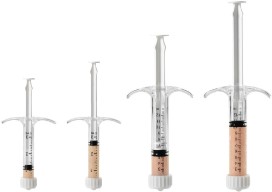
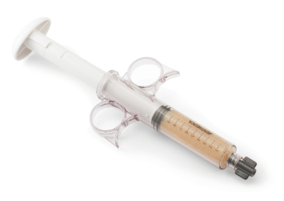


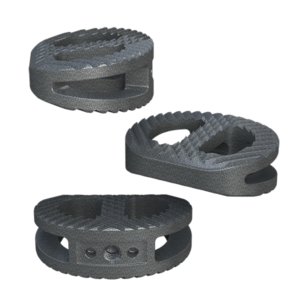 System Features
 Key Features
 Key Features
 Key Features
 Key Features
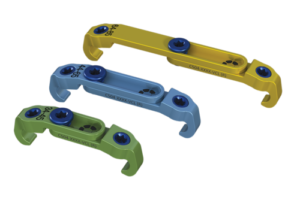 Key Features
 Key Features






 Key Features
 Key Features
 Key Features