| 1 | Define the actual air demand | Flow profile and peak demand | Record average, minimum, and peak flow in m³/min or cfm. A practical design target is usually the measured peak demand plus approximately 10% to 15%, after eliminating artificial demand. | Oversizing can increase unloaded running time, while undersizing may cause pressure drops and production interruptions. | Use at least 7 days of flow and pressure data where the demand varies by shift. |
| 2 | Select the correct working pressure | System pressure and pressure drop | Common plant-air requirements are approximately 7 to 10 bar(g). Many tools and processes operate near 6 to 7 bar(g), but distribution losses and equipment requirements must be verified. | Increasing discharge pressure typically increases compressor power demand; approximately 0.1 bar of unnecessary pressure can add measurable energy cost over time. | Measure pressure at the compressor and at the point of use, then specify the lowest pressure that satisfies the process. |
| 3 | Compare specific power, not only motor size | Energy efficiency | Compare total specific power in kW per m³/min or kW per 100 cfm at the same pressure, including the motor, drive, cooling system, and controls. | A larger motor does not automatically provide more air or lower operating cost. Specific power allows fair comparison between packages. | Request performance data at full load, part load, and the stated inlet and ambient conditions. |
| 4 | Assess variable-speed control carefully | Load profile and turndown range | Variable-speed drive compressors can reduce unloaded running when demand changes frequently. Savings depend on the actual load profile, operating hours, minimum stable speed, and control range. | Variable-speed equipment is not automatically more efficient at every load or at constant full-load operation. | Use logged demand data to model annual kWh before choosing fixed-speed, variable-speed, or a combined system. |
| 5 | Specify intelligent sequencing controls | Multi-compressor control | A master controller should coordinate start/stop sequences, pressure bands, load sharing, runtime balancing, alarms, and communication with plant monitoring systems. | Poor sequencing can make several compressors unload simultaneously, increasing energy use and pressure fluctuation. | Require trend logs for pressure, flow, loaded hours, unloaded hours, starts, and energy consumption. |
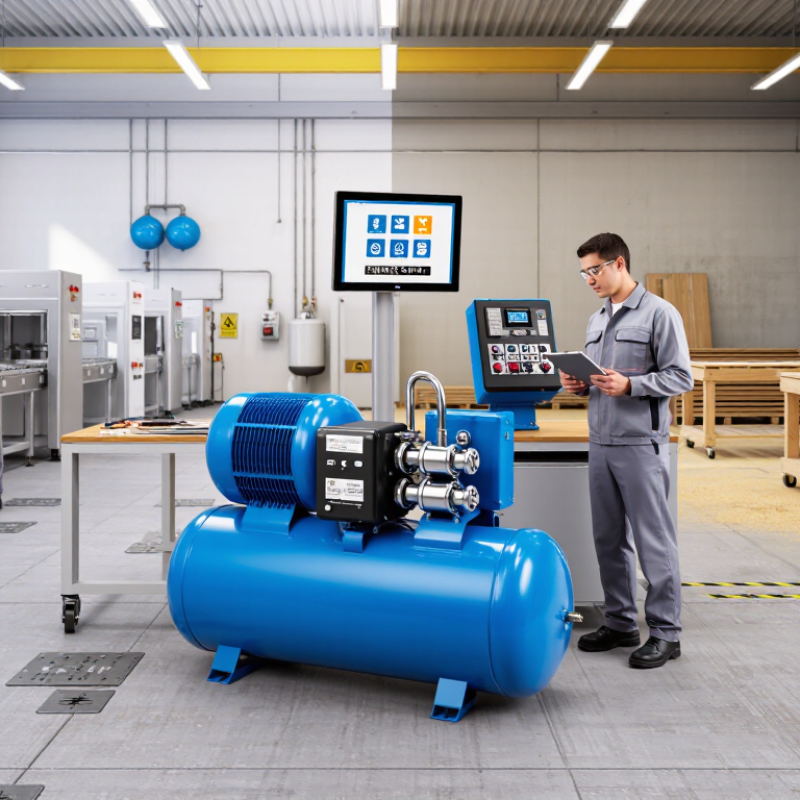
| 6 | Calculate the lifecycle operating cost | Total cost of ownership | For many compressed-air installations, electricity can represent roughly 60% to 80% of lifecycle cost, with purchase, installation, maintenance, cooling, and disposal making up the balance. | A lower purchase price may result in a higher five- or ten-year cost if energy consumption and service requirements are greater. | Calculate annual cost as: energy use in kWh × electricity tariff, then add maintenance, installation, and expected replacement costs. |
| 7 | Review maintenance requirements | Service intervals and consumables | Check oil, separator, air filter, oil filter, belts or couplings, bearings, valves, coolers, and condensate components. Service intervals commonly depend on hours, oil condition, air quality, and ambient conditions. | Blocked filters and dirty coolers increase pressure drop, operating temperature, and power consumption. | Request a five-year maintenance schedule with parts, labor, downtime, and recommended inspection frequency. |
| 8 | Verify installation and ambient conditions | Ventilation, altitude, temperature, and space | Confirm maximum and minimum ambient temperature, altitude, intake-air quality, room ventilation, service clearance, noise limits, and electrical supply before final selection. | High ambient temperature, restricted airflow, or contaminated intake air can reduce capacity and shorten component life. | Obtain corrected performance data for the actual site conditions rather than relying only on standard laboratory conditions. |
| 9 | Evaluate heat recovery potential | Energy recovery and sustainability | Most compressor input power becomes heat. Depending on design and operating conditions, a substantial portion of this heat may be recoverable for water heating, space heating, or process air preheating. | Recovered heat can reduce fuel or electric heating demand and improve the overall energy value of the installation. | Match recovery output to a year-round heat load and calculate savings using the site’s actual heating tariff. |
| 10 | Check air quality and expandability | Air treatment, reliability, and future capacity | Specify the required air-quality class, including particles, water, and oil, according to the process. Also allow for future demand growth, redundancy, dryer capacity, receiver volume, and distribution upgrades. | Inadequate treatment can damage products and equipment, while insufficient redundancy can stop production during service or failure. | Define critical-load requirements and consider N+1 capacity where continuous operation or high downtime costs justify redundancy. |




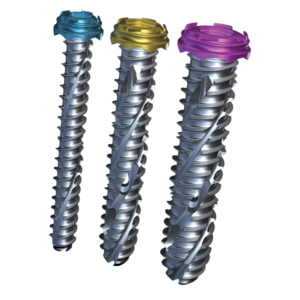

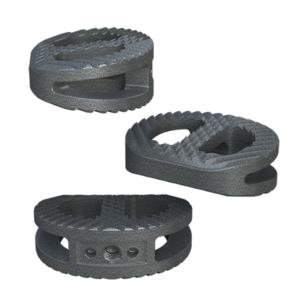 System Features
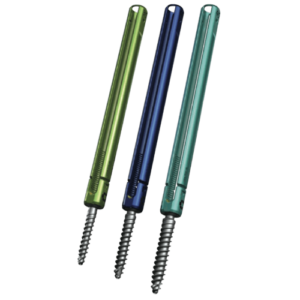 Key Features
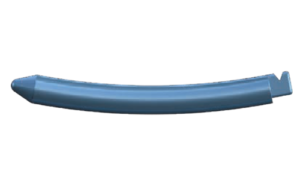 Key Features
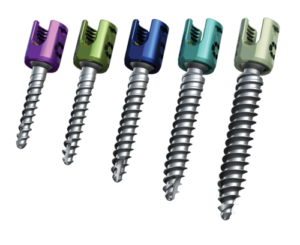 Key Features
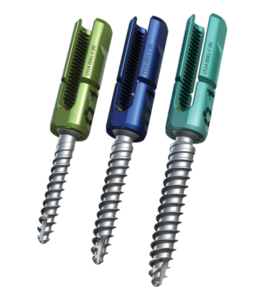 Key Features
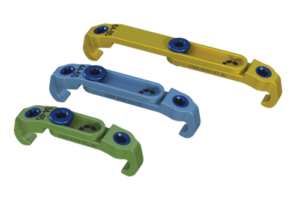 Key Features
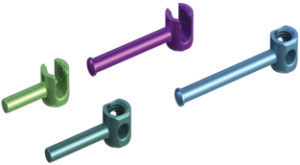 Key Features
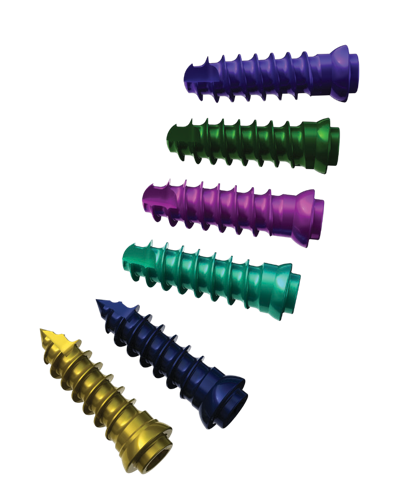
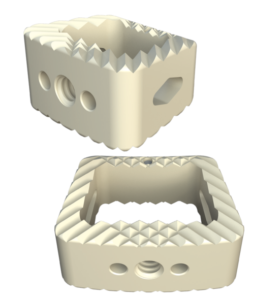 Key Features
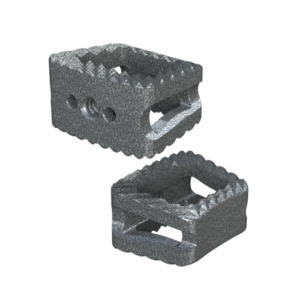 Key Features
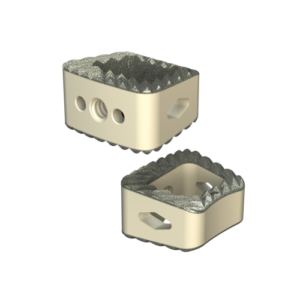 Key Features