| 1. Confirm the identity | E423 is octenyl succinic acid modified gum arabic, a modified hydrocolloid used mainly for emulsification and stabilization. | Chemical or regulatory name, INS/E-number reference, manufacturing process description, specification sheet, and product code. | Food-grade powder; appearance commonly white to cream or pale yellow; exact assay, viscosity, moisture, and pH limits depend on the specification. | Match the product name and specification across the quotation, certificate of analysis, safety documentation, and shipping documents. |
| 2. Assess supplier capability | E423 quality can vary with the gum-acacia source, modification process, drying method, and blending controls. | Food-safety certification, allergen statement, GMO status, traceability procedure, change-control policy, audit history, and batch-testing plan. | Prefer suppliers able to provide batch-specific COAs, retained samples, contamination controls, and at least two years of traceability records. | Request a recent COA and production sample, then compare laboratory results with the agreed specification before approving regular supply. |
| 3. Check shelf life and storage | As a dry powder, E423 is generally more stable than liquid emulsifier systems when protected from moisture and heat. | Manufacturing date, best-before date, recommended temperature, humidity guidance, packaging format, and re-test policy. | A shelf life of approximately 24 months unopened is common for properly packed material; use only the supplier’s validated shelf-life statement. | Require sealed moisture-barrier packaging, store in a cool and dry area, and apply FEFO inventory control after receipt. |
| 4. Verify labeling requirements | The permitted name and declaration format for E423 depend on the destination market and the food category. | Regulatory status by destination, additive class or functional class, label name, INS/E-number usage, allergen declaration, and language requirements. | Labels may need a functional class plus the additive name or number, such as “emulsifier: E423,” subject to local rules. | Obtain written regulatory confirmation for every target market; do not assume approval in one jurisdiction applies globally. |
| 5. Compare MOQ and packaging | Minimum order quantities depend on production scale, packaging format, stock availability, and whether a custom specification is required. | Standard MOQ, trial quantity, pallet configuration, bag size, inner liner material, and charges for customized packaging. | Trial orders may be available from approximately 25–100 kg; routine commercial MOQs commonly range from 500–1,000 kg. | Calculate landed cost per usable kilogram, including palletization, documentation, testing, freight, duties, and expected product loss. |
| 6. Plan lead times | Lead time is affected by raw-material availability, production scheduling, quality release, export documentation, and transport conditions. | Production time, quality-release time, dispatch point, shipping terms, port or airport options, and holiday shutdown schedule. | Approximately 2–4 weeks for available stock and 4–8 weeks for production orders, excluding international transit and customs clearance. | Set a safety stock based on demand variability and add extra time for import inspection, document corrections, or port congestion. |
| 7. Validate performance and compliance | E423 performance depends on dispersion, hydration conditions, dosage, oil phase, pH, heat treatment, and the complete recipe. | Recommended dosage, hydration procedure, emulsion stability data, microbiological limits, heavy-metal limits, pesticide statement, and food-contact information where applicable. | Application dosage is formulation-specific; commercial trials should normally compare several use levels rather than relying on a single universal rate. | Conduct pilot testing using the intended process, verify sensory and physical stability, and approve the supplier only after a documented technical review. |






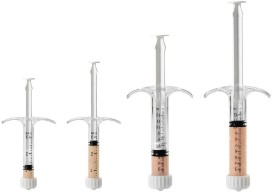

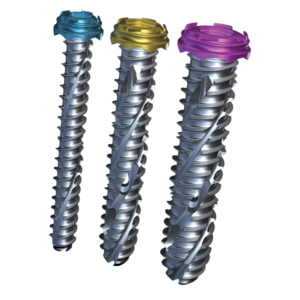

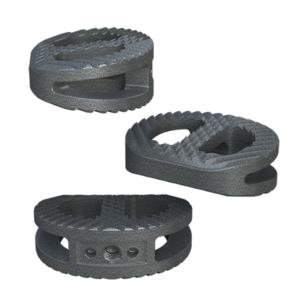 System Features
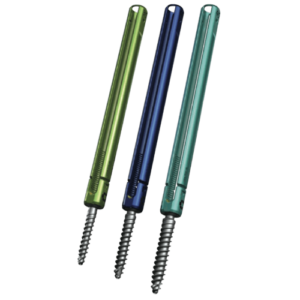 Key Features
 Key Features
 Key Features
 Key Features
 Key Features
 Key Features
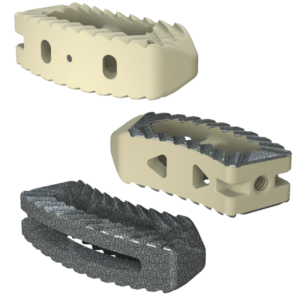
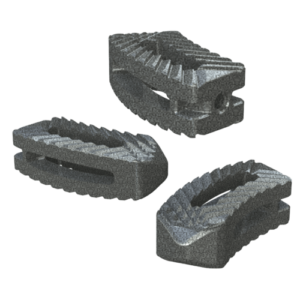

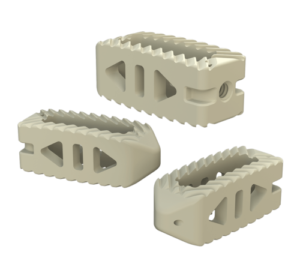
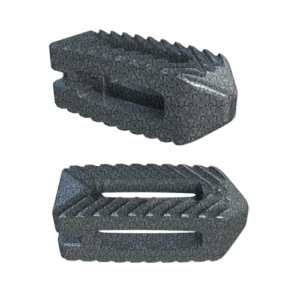
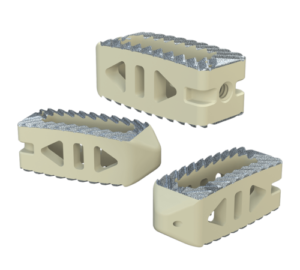


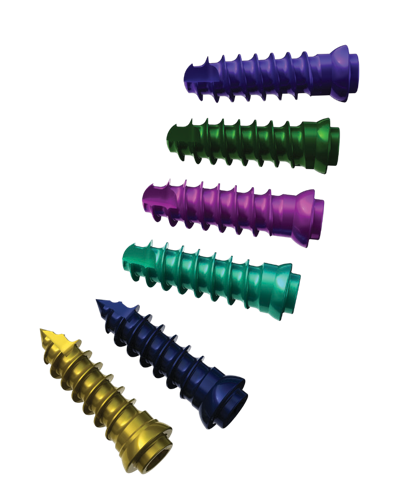
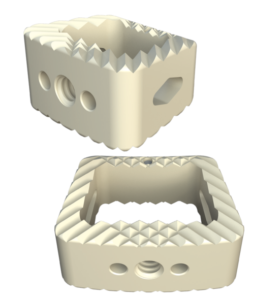 Key Features
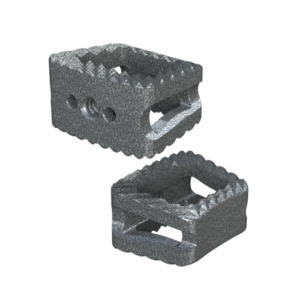 Key Features
 Key Features