| AC Input Connector | Power entry | Connects the desktop power supply to the building’s alternating-current supply. | Commonly accepts approximately 100–240 V AC, depending on the design. | Provides the starting point for converting mains electricity into regulated DC power. |
| Fuse | Immediately after the AC input | Interrupts the circuit when excessive current flows. | A replaceable or soldered overcurrent protection device rated for the input circuit. | Helps limit damage caused by short circuits or severe internal failures. |
| EMI/RFI Filter | Input filtering stage | Suppresses high-frequency electrical noise entering or leaving the power supply. | Usually combines capacitors, common-mode chokes, and sometimes differential-mode filtering. | Reduces interference with radio equipment and other electronic devices. |
| Bridge Rectifier | AC-to-DC conversion stage | Converts the incoming AC waveform into pulsating DC voltage. | Typically uses four diodes or an integrated bridge module. | Creates the high-voltage DC bus required by the switching circuitry. |
| Power-Factor-Correction Stage | After the bridge rectifier | Shapes the input current so it more closely follows the AC voltage waveform. | Active PFC commonly uses an inductor, switching transistor, diode, and control circuit. | Improves power factor and reduces unwanted current harmonics. |
| Bulk Capacitor | High-voltage DC bus | Stores energy and smooths the rectified high-voltage waveform. | Often an electrolytic capacitor rated around 400–450 V DC in universal-input designs. | Provides a more stable energy source for the primary switching stage. |
| Primary-Side Switching Transistors | High-voltage switching stage | Switch the high-voltage DC bus at high frequency. | Commonly uses power MOSFETs controlled by a pulse-width-modulation circuit. | Enables efficient, compact energy transfer through the transformer. |
| High-Frequency Transformer | Between primary and secondary sides | Transfers energy magnetically, changes voltage, and provides galvanic isolation. | Operates at switching frequencies far above the 50/60 Hz mains frequency. | Separates the hazardous input circuitry from the low-voltage output circuitry. |
| Secondary Rectifiers | Low-voltage output stage | Convert the transformer’s high-frequency AC output into low-voltage DC. | May use Schottky diodes or synchronous MOSFET rectification. | Directly affects conversion efficiency and output heat. |
| Output Inductors and Capacitors | Post-rectification filtering | Smooth the rectified waveforms and reduce voltage ripple. | Used on the main output rails, commonly including approximately 12 V, 5 V, and 3.3 V. | Delivers cleaner DC power to the motherboard, processor, drives, and graphics hardware. |
| Feedback and Control Circuit | Control loop between output and primary side | Monitors output voltage and adjusts switching timing to maintain regulation. | Often uses a reference circuit, optocoupler, and PWM controller for isolated feedback. | Keeps output voltage stable when the load or input voltage changes. |
| Protection Circuits | Integrated throughout the supply | Detect abnormal electrical or thermal conditions and shut down or limit operation. | Common functions include overvoltage, undervoltage, overcurrent, short-circuit, over-temperature, and surge protection. | Helps protect the power supply and connected computer components. |
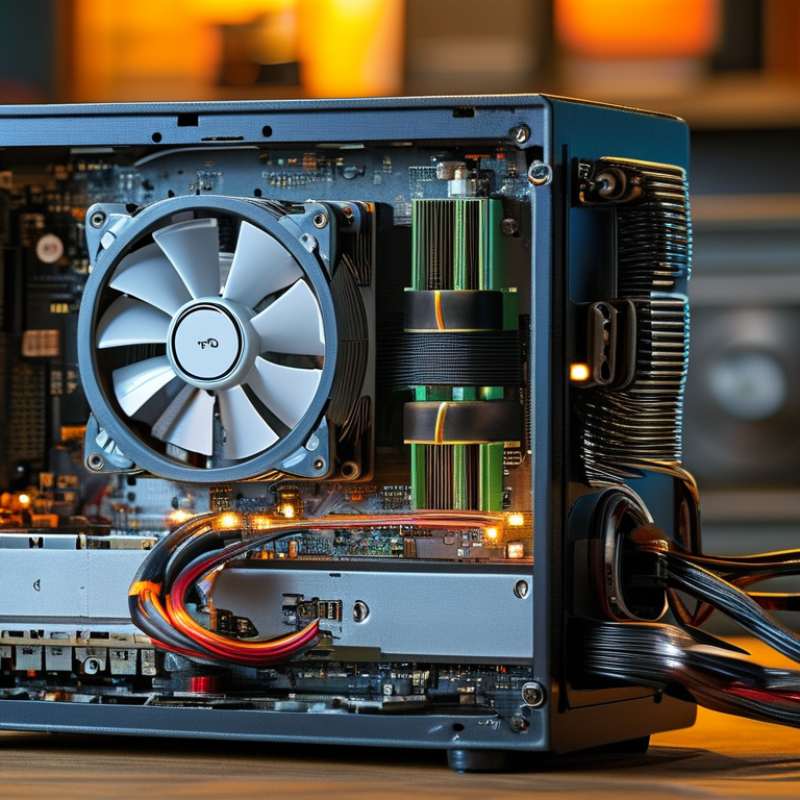
| Cooling Fan and Thermal System | Airflow and heat-dissipation section | Removes heat from semiconductors, transformers, and other power components. | Uses a fan, ventilation openings, and metal heatsinks; fan speed may respond to temperature or load. | Controls operating temperature and supports long-term reliability. |
| DC Output Connectors | Power delivery stage | Distribute regulated DC power to computer components. | May include motherboard, processor, graphics, drive, and peripheral power connectors. | Provides the correct voltage rails and current paths for the desktop system. |






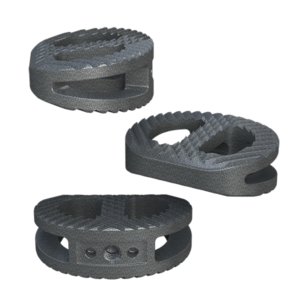 System Features
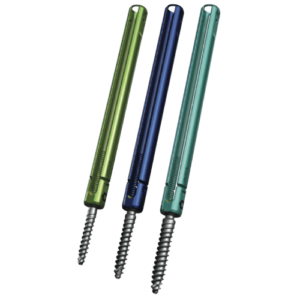 Key Features
 Key Features
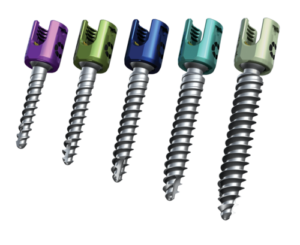 Key Features
 Key Features
 Key Features
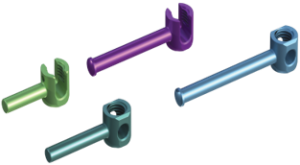 Key Features

 Key Features
 Key Features
 Key Features