Top 10 Common Orthopedic and Spine Disorders You Should Know?

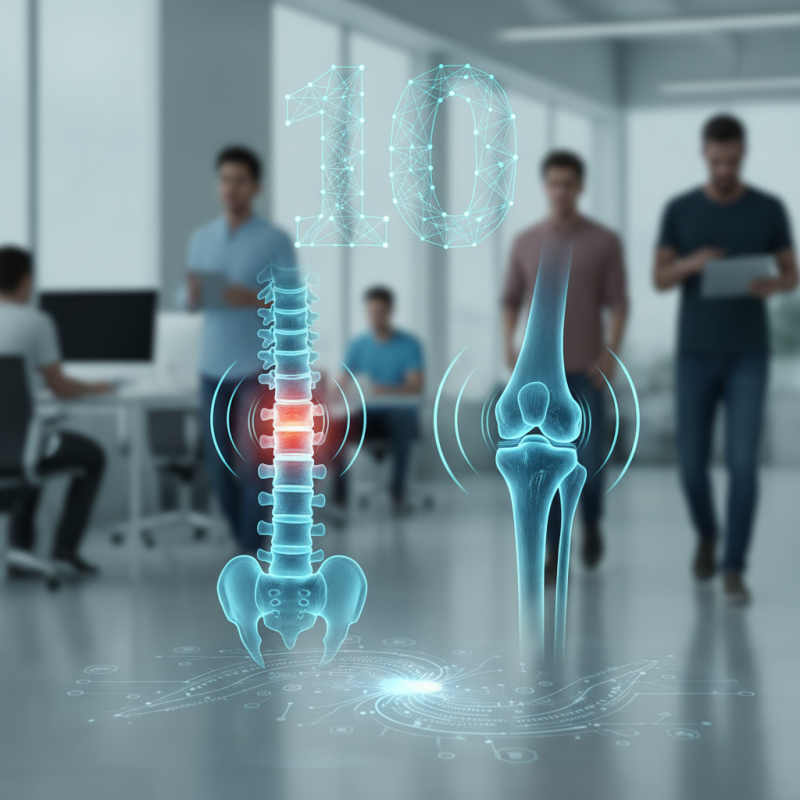
Orthopedic and spine disorders are increasingly common in our society. Recent reports indicate that nearly one in two adults will experience some form of musculoskeletal disorder in their lifetime. This statistic underscores the importance of understanding the most prevalent conditions in the orthopedic and spine field.

Certain conditions, such as osteoarthritis and herniated discs, significantly impact mobility and quality of life. For many, these disorders can lead to chronic pain and disability. The healthcare costs associated with orthopedic and spine issues are substantial, amounting to billions of dollars annually in the United States alone.

Awareness of common orthopedic and spine disorders is crucial for both prevention and early intervention. It is vital to recognize symptoms and seek treatment promptly. The complexities of these disorders remind us that while we strive for perfect health, many factors contribute to orthopedic and spine issues, including age, lifestyle, and genetic predisposition. Understanding these conditions can empower individuals to engage in proactive health management.

Top 10 Common Orthopedic and Spine Disorders You Should Know?

Common Orthopedic Disorders: Prevalence and Impact on Society

Top 10 Common Orthopedic and Spine Disorders You Should Know?

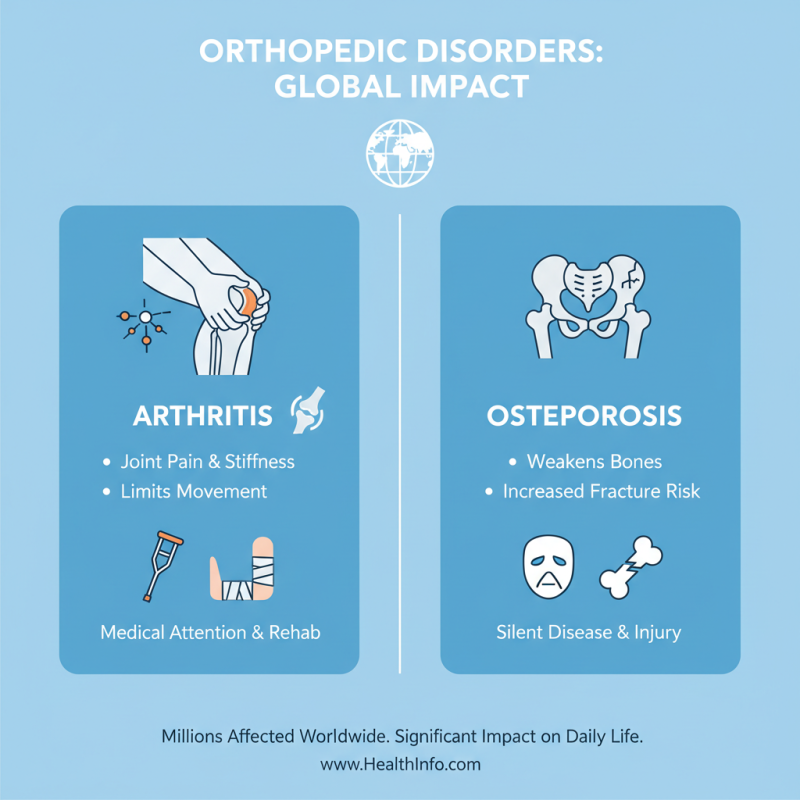
Orthopedic disorders affect millions worldwide. They impact daily life significantly. One common issue is arthritis, which leads to joint pain and stiffness. This condition limits movement for many people. It often requires medical attention and rehabilitation. Another prevalent disorder is osteoporosis. It weakens bones, increasing fracture risk. This silent disease can go unnoticed until serious injury occurs.

Spine disorders are equally concerning. Conditions like herniated discs and scoliosis are common. These issues can lead to chronic pain and mobility challenges. Back pain is a leading cause of disability globally. Society bears the burden of these disorders. Healthcare costs rise, affecting individuals and families. There’s also a loss of productivity. People may need to take time off work. Many struggle to manage pain while fulfilling daily responsibilities.

Despite medical advancements, many remain unaware of orthopedic issues. Education is vital in prevention and early detection. Communities must foster awareness through resources and support. Reflecting on our health can lead to better outcomes. A proactive approach benefits everyone.

Understanding Spinal Disorders: Types and Causes of Back Pain

Back pain is a prevalent issue affecting millions. According to the Global Burden of Disease Study, nearly 80% of adults experience back pain at some point in their lives. This condition often stems from various spinal disorders. Understanding these ailments is crucial for effective management.

Herniated discs represent a significant cause of back pain. This occurs when the soft material inside the disc pushes out, pressing on nearby nerves. Symptoms can range from mild discomfort to severe pain that limits mobility. Poor posture, sedentary lifestyles, and obesity contribute to this problem. Data from the American Academy of Orthopaedic Surgeons suggest that nearly 3 million cases occur each year in the U.S. alone.

Muscle strains and ligament sprains also frequently lead to back pain. Overexertion during physical activities often to blame, yet some may neglect their body’s limits. As reported by the National Institute of Neurological Disorders and Stroke, muscle strain is a leading cause of back pain in younger adults. Identifying these underlying causes is essential, yet many overlook the importance of preventive measures like regular exercise and ergonomic practices.

Top 10 Common Orthopedic and Spine Disorders You Should Know

Disorder Description Common Causes Symptoms
Herniated Disc A condition where the intervertebral disc bulges out and presses on a nerve. Age, injury, repetitive strain. Pain, numbness, weakness in limbs.
Osteoarthritis Degenerative joint disease causing cartilage breakdown. Age, obesity, joint injuries. Joint pain, stiffness, swelling.
Sciatica Pain that radiates along the path of the sciatic nerve. Herniated discs, spinal stenosis. Leg pain, burning sensation.
Spondylolisthesis Condition where a vertebra slips out of place. Genetic defects, injury, arthritis. Lower back pain, stiffness.
Spinal Stenosis Narrowing of the spinal canal leading to nerve compression. Aging, arthritis, disc degeneration. Numbness or weakness in limbs, pain while walking.
Rotator Cuff Tear Injury or tear to the shoulder's rotator cuff. Aging, repetitive overhead activities. Shoulder pain, weakness in arm.
Tendinitis Inflammation of a tendon. Overuse, repetitive motion. Pain around a joint, swelling.
Plantar Fasciitis Inflammation of the plantar fascia on the sole of the foot. High-impact activities, obesity. Heel pain, stiffness.
Fractures Breaks in bones caused by trauma or stress. Falls, accidents, osteoporosis. Pain, swelling, inability to use the limb.
Carpal Tunnel Syndrome Nerve compression in the wrist leading to pain and numbness. Repetitive wrist movements. Numbness, tingling, weakness in hand.

The Role of Injuries in Orthopedic Conditions: Statistics and Recovery

Injuries play a significant role in orthopedic and spine disorders. Every year, millions experience these issues. Statistics show that sports-related injuries contribute substantially. Sprains, fractures, and dislocations often arise unexpectedly. These can lead to long recovery periods and complications. Understanding how injuries impact our bodies is crucial.

The path to recovery is not always straightforward. Some may rush back to activity too soon. This can exacerbate existing conditions or lead to new injuries. Pain management and physical therapy are essential components of healing. Commitment to these processes can be challenging. Many struggle with the need for patience as they heal. Additionally, emotional health can suffer during recovery. It's important to recognize these struggles and support each other.

Orthopedic conditions often stem from our lifestyle choices. Sedentary habits can lead to weakened muscles. Poor posture may worsen spine problems. Furthermore, improper training techniques only add to the risks. Examining these factors can help prevent injuries. A proactive approach to orthopedic health can lead to better outcomes.

Top 10 Common Orthopedic and Spine Disorders You Should Know

This chart represents the prevalence of the top 10 common orthopedic and spine disorders per 1000 patients. Understanding these conditions can help in awareness and early diagnosis, leading to better management and outcomes.

Surgical and Non-Surgical Treatment Options for Orthopedic Disorders

Orthopedic disorders affect millions globally, and treatment options vary widely. Surgical methods often seem effective. However, they come with risks and recovery challenges. Reports indicate that nearly 30% of patients experience post-surgery complications. In contrast, non-surgical options may reduce the need for invasive procedures. They are often viewed as the first line of treatment.

Physical therapy stands out among non-surgical choices. A study reveals that 70% of patients improve significantly after six weeks of therapy. This approach emphasizes rehabilitation of muscle strength and joint flexibility. Additionally, lifestyle modifications, such as weight management and exercise, can yield substantial benefits. Many patients report noticeable pain relief with these changes. Nonetheless, not every patient will respond the same way, prompting ongoing adjustments.

Medications play a vital role too. Nonsteroidal anti-inflammatory drugs (NSAIDs) can help with pain and inflammation. However, prolonged use may lead to adverse effects, including gastrointestinal issues. As a result, physicians often recommend a balanced approach, incorporating multiple treatment modalities. Research suggests that combining physical therapy with medication often leads to improved outcomes. Yet, some patients may find it overwhelming to cope with all these options. Understanding individual needs remains essential for optimal care.

Latest Advances in Orthopedic and Spine Disorder Research and Management

Top 10 Common Orthopedic and Spine Disorders You Should Know?

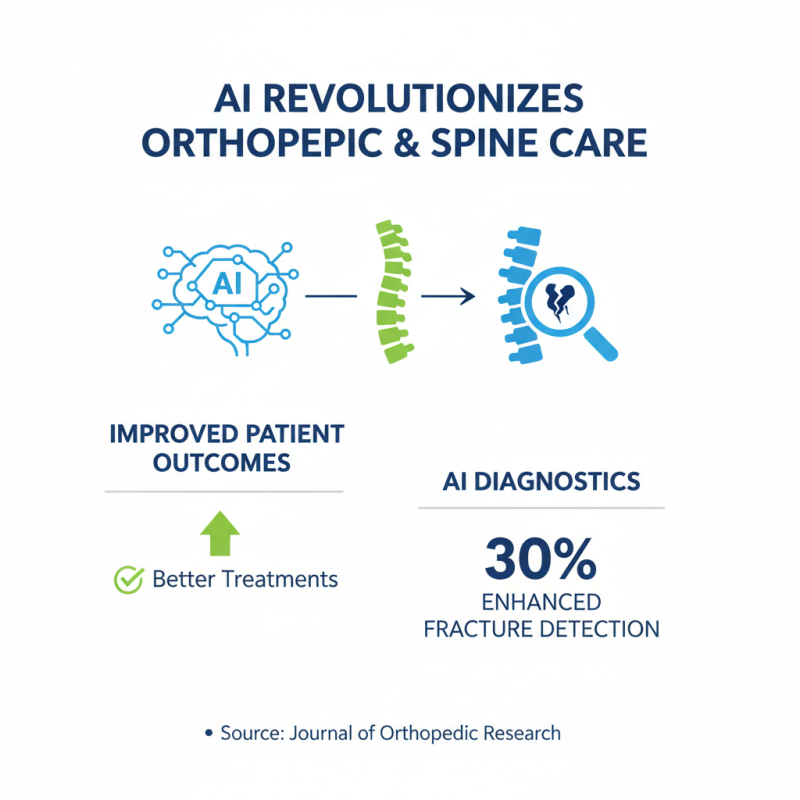
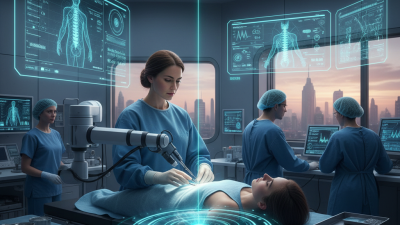
Recent advances in orthopedic and spine disorder research have significantly improved patient outcomes. Technologies like artificial intelligence (AI) are revolutionizing diagnostics. For instance, a study from the Journal of Orthopedic Research showed that AI can enhance detection rates of spine fractures by 30%. This leap in technology allows for more accurate assessments and personalized treatment plans.

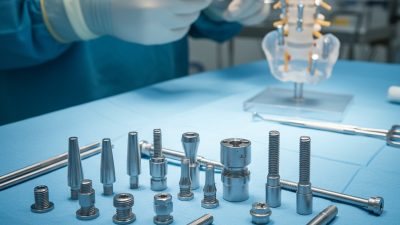
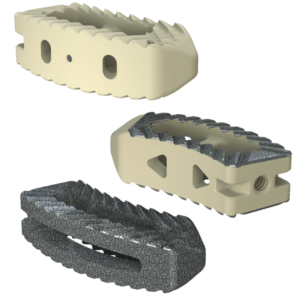
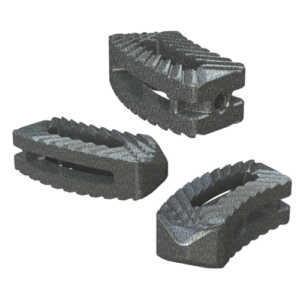
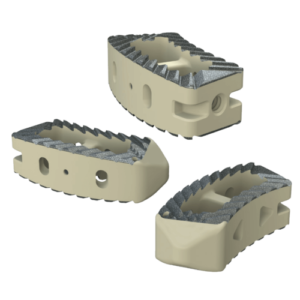
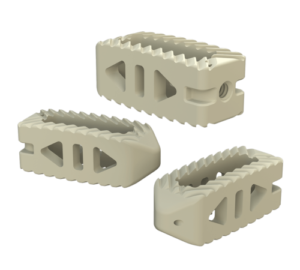
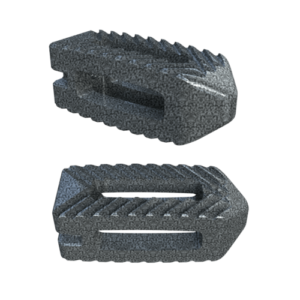
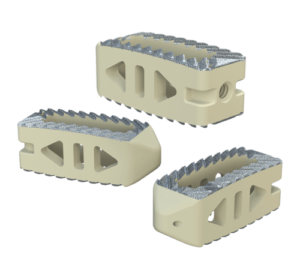
Minimally invasive surgical techniques are another breakthrough area. According to data from the American Academy of Orthopedic Surgeons, these methods reduce recovery time by up to 50%. Patients can often return to daily activities faster. The use of 3D printing for custom implants is rapidly growing. This allows surgeons to create devices tailored to individual anatomies, improving surgery success rates.

**Tip:** Stay informed about research advancements. Knowledge about emerging treatments can empower you in discussions with your healthcare provider.

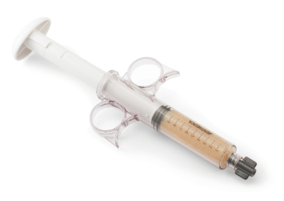
Pain management strategies, like newer biologic therapies, are evolving. Research indicates that targeted injections can effectively reduce chronic pain in a significant number of patients. However, access to these therapies can vary by region, posing challenges.

**Tip:** Monitor your pain levels and treatment effectiveness. Honest communication with your doctor can lead to better management plans.