| Product Identity | Confirm that the supplied material is sodium selenite and that the stated form is clearly defined. | Chemical formula: Na2SeO3; CAS Registry Number: 10102-18-8. Anhydrous sodium selenite has a relative molecular mass of approximately 172.94 and a theoretical selenium content of approximately 45.66%. | Product specification, current Safety Data Sheet, Certificate of Analysis, and an identity test based on a validated analytical method. | Critical |
| Supplier Quality Certification | Check whether the quality management system is independently certified and applicable to the manufacturing site and product scope. | ISO 9001 certification may demonstrate a documented quality management system, but it does not by itself prove product purity or regulatory approval. | Valid certificate, certification scope, issuing body, site address, certificate number, issue date, expiry date, and verification through the issuing body's public register where available. | High |
| Application-Specific GMP | Determine whether the intended use is food, feed, pharmaceutical, laboratory, or industrial, and verify the corresponding controls. | Good Manufacturing Practice requirements depend on the destination market and application. A general quality certificate is not a substitute for applicable food, feed, or pharmaceutical GMP controls. | Relevant GMP certificate or audit report, approved manufacturing procedures, batch-release procedure, change-control records, and traceability documentation. | High |
| Environmental and Occupational Management | Review controls for selenium-containing dust, worker exposure, waste handling, and environmental releases. | ISO 14001 relates to environmental management, while ISO 45001 relates to occupational health and safety. These standards do not replace legally required chemical-handling controls. | Valid certificates, risk assessments, exposure-control procedures, waste-disposal records, emergency plans, and worker training records. | Medium |
| Manufacturing Process Control | Understand whether the process is controlled through documented raw-material qualification, reaction parameters, purification, drying, and packaging. | Important controls include batch records, process parameters, in-process testing, equipment cleaning, foreign-material prevention, and defined acceptance criteria. | Process flow diagram, quality-control plan, batch manufacturing record template, deviation procedure, and documented corrective and preventive action system. | High |
| Assay and Selenium Content | Verify that the assay specification matches the intended application and that selenium content is measured using a suitable validated method. | Common instrumental approaches include ICP-OES or ICP-MS. The specification should identify the test method, reporting basis, tolerance, and whether results are stated on an as-is or dry basis. | Recent batch-specific COAs, method validation or verification summary, reference-standard information, and independent laboratory results when required. | Critical |
| Impurity Profile | Assess impurities that may arise from raw materials, processing, corrosion, cross-contamination, or packaging. | The specification may include limits for relevant elemental impurities, insoluble matter, moisture or loss on drying, and other process-related impurities. Limits should be risk-based and application-specific. | Full specification, batch COA, periodic impurity trend report, analytical methods, and documented investigation procedure for out-of-specification results. | Critical |
| Microbiological Control | Determine whether microbiological testing is required for the final use, especially for products incorporated into food, feed, or pharmaceutical preparations. | Microbial limits are not universal for every industrial-grade chemical. Requirements should be defined according to the applicable product standard and intended use. | Microbiological specification, test reports from qualified laboratories, sanitation records, and environmental-monitoring data where applicable. | Medium |
| Safety Data and Hazard Communication | Confirm that the SDS is current, complete, and consistent with the supplied product and destination-market requirements. | The SDS should address classification, handling, storage, exposure controls, personal protective equipment, first aid, accidental release, transport, and disposal information. | Current 16-section SDS, revision date, product identifier, hazard classification, emergency contact, and consistency check against the label and COA. | Critical |
| Regulatory Registration and Market Access | Verify obligations in the importing country and the product's intended application before placing an order. | Depending on jurisdiction and use, requirements may involve chemical registration, classification and labelling, import documentation, food or feed authorization, or pharmaceutical excipient controls. | Written regulatory statement, registration or notification details where applicable, label review, import documentation, and confirmation of intended-use compliance. | Critical |
| Traceability and Change Control | Check whether each shipment can be traced to raw materials, production records, test results, packaging, and release authorization. | A robust system should include unique lot numbers, retention samples, complaint handling, recall procedures, supplier qualification, and advance notification of significant changes. | Traceability exercise, sample recall procedure, change-notification policy, retention-sample policy, and complaint-response records. | High |
| Packaging and Storage | Confirm that packaging protects the material from contamination, moisture, damage, and incorrect identification during transport and storage. | Review container compatibility, closure integrity, net weight control, lot identification, storage conditions, shelf-life or retest period, and transport classification where applicable. | Packaging specification, label sample, stability or retest information, transport instructions, and warehouse-condition records. | High |
| Independent Verification | Use independent testing or an on-site audit when the material is safety-critical, high-volume, or intended for a regulated application. | Testing should be performed by a competent laboratory using agreed methods and clearly defined sampling procedures. An audit should evaluate both documents and actual production practices. | Independent laboratory report, signed sampling record, supplier audit report, corrective-action response, and closure evidence for identified findings. | Medium |
| Recommended Selection Rule | Shortlist suppliers only after verifying product identity, current SDS, batch-specific COA, applicable regulatory status, manufacturing controls, and traceability. Give preference to suppliers that provide independently verifiable certifications and transparent change-control procedures. | Pass / Review |






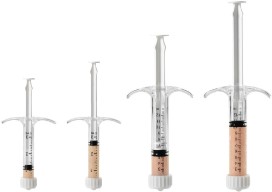
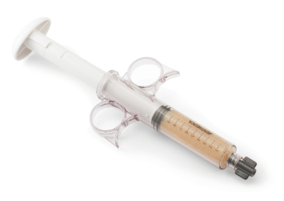


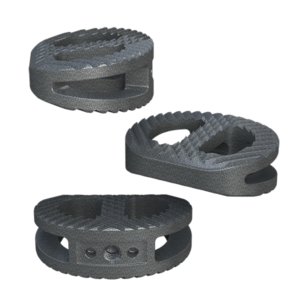 System Features
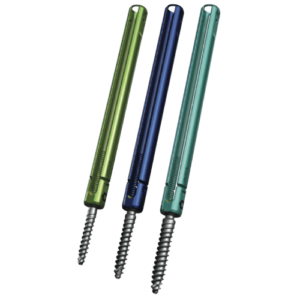 Key Features
 Key Features
 Key Features
 Key Features
 Key Features
 Key Features
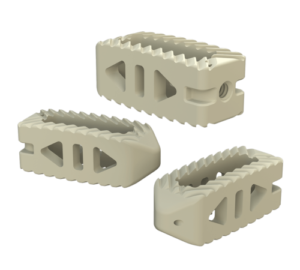

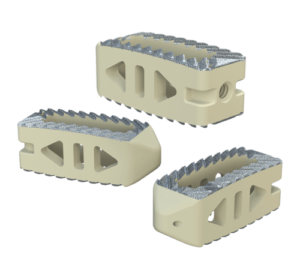



 Key Features
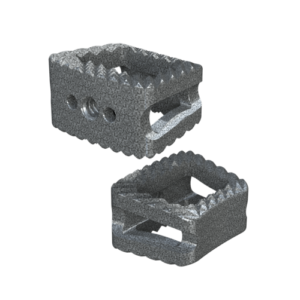 Key Features
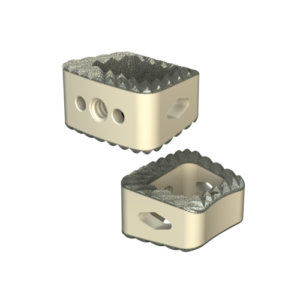 Key Features