How to Choose the Right Orthopedic Surgical Instruments?

Choosing the right orthopedic surgical instruments is crucial for successful surgical outcomes. Many surgeons often face challenges when selecting these tools. Proper instruments can enhance precision and reduce complications. However, there is no “one-size-fits-all” solution. Each procedure requires specific tools that cater to unique patient needs.

Surgeons must consider various factors. The quality of orthopedic surgical instruments is fundamental. Instruments from reputable manufacturers often assure reliability and durability. Understanding the specific requirements of different surgeries can guide the choice. For example, joint replacements may need specialized cutting tools.

Additionally, ongoing training and experience play vital roles in effective instrument selection. Surgeons must stay updated with the latest advancements in technology. Reflection on past surgeries can also provide insights for better choices. In the dynamic field of orthopedics, making informed decisions about surgical instruments is essential for patient safety and successful outcomes.

How to Choose the Right Orthopedic Surgical Instruments?

Understanding the Basics of Orthopedic Surgical Instruments

Choosing the right orthopedic surgical instruments is crucial for successful outcomes. Orthopedic instruments vary widely in design and function. According to a report from the Orthopedic Surgery Research Center, 85% of complications arise from improper instrument selection and use. Understanding each tool's purpose helps mitigate these risks.

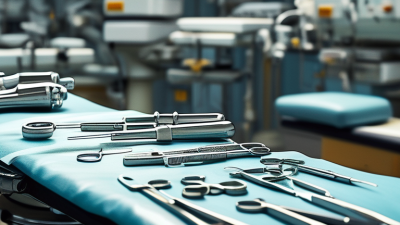
When assessing instruments, consider their specific applications. For instance, retractors are vital for exposing surgical sites, while drills aid in bone fixation. This knowledge allows surgeons to select appropriately for various procedures, whether joint replacement or fracture repair. It's also essential to consider material quality and ergonomics, as these factors can directly influence surgical precision and safety.

**Tip:** Regular training can enhance familiarity with new advancements in instruments. Periodic assessments of instrument performance can identify areas for improvement. Many surgeons overlook the importance of regular equipment checks. Instruments that are not maintained can lead to unexpected complications during surgery. Always ensure that sterilization and maintenance protocols are rigorously followed.

Assessing the Specific Needs of the Procedure

Choosing the right orthopedic surgical instruments is crucial for every procedure. The specific needs of a surgery can vary greatly. When assessing these needs, it’s essential to focus on the type of procedure being performed. For example, joint replacements require different tools than spinal surgeries. Each instrument plays a vital role in achieving the best possible outcome.

Surgeons often consider factors like the patient's anatomy and the level of complexity involved. Some procedures demand precise cutting or manipulation. Instruments should facilitate these actions without hindrance. A thorough understanding of each tool's function aids in making informed choices. It’s not uncommon for a surgeon to reflect on their past experiences with certain instruments. Learning from previous surgeries shapes future decisions.

Additionally, collaboration with the surgical team is important. Input from nurses and technicians can provide insights into the practicality of various instruments. Each team member brings their expertise to the table. This unified approach minimizes potential errors. However, it is essential to recognize that even the most experienced teams may face challenges. Adapting to new instruments or techniques can lead to unexpected complications. These reflections are crucial for continuous improvement in surgical practice.

Evaluating Quality and Durability of Instruments

When selecting orthopedic surgical instruments, the evaluation of quality and durability is crucial. Instruments must endure rigorous use. Materials should resist rust and wear. Stainless steel is a common choice for its strength and longevity. Additionally, the finish of the instruments can impact their performance. A smooth surface aids in cleaning and reduces the risk of infection.

Experience plays a vital role in assessing instruments. Surgeons often prefer tools that feel comfortable. The balance and weight can impact precision. It is advisable to consult experienced colleagues when considering new instruments. Sometimes, a lower-cost option may not provide the necessary durability. These choices can lead to breakdowns during critical surgeries.

Reliability is paramount in any surgical setting. Instruments should undergo regular quality checks. Even established instruments can fail if poorly maintained. Observing the wear and functionality of existing tools can highlight what to look for in new ones. Investing time in research pays off by ensuring tools meet the demands of the operating room.

Considering Ergonomics and Ease of Use

Choosing the right orthopedic surgical instruments involves more than just functionality. Ergonomics is a critical factor in ensuring the comfort and efficiency of the surgical team. Instruments should fit well in the surgeon's hand and allow for precise movements without causing fatigue.

Surgeons frequently report that poorly designed tools can lead to strain. Instruments that are too heavy or awkwardly shaped can impact surgical performance. For instance, a scalpel that lacks a comfortable grip may hinder delicate incisions. Understanding the balance and weight distribution of instruments can significantly enhance usability.

Tips: Always evaluate the grip size. It should suit various hand sizes comfortably. Consider the weight of each instrument to prevent fatigue during lengthy surgeries. Lastly, test instruments before use. Small adjustments to your setup can lead to significant improvements in surgical outcomes. Ergonomic design is not just about comfort; it directly influences the quality of care provided to patients.

Researching Reputable Manufacturers and Suppliers

When searching for orthopedic surgical instruments, the choice of manufacturers and suppliers is crucial. Start by investigating the reputation of potential companies. Look for ones with positive reviews in the medical community. Testimonials often highlight the quality and reliability of instruments. Seek out those known for their rigorous quality control processes. This can significantly impact surgical outcomes.

Evaluate the availability of certifications. Instruments should meet safety and quality standards. Manufacturers often share these documents on their websites. A lack of certifications may raise concerns. Additionally, explore their customer service. Reputable suppliers typically offer support and guidance. This can be invaluable for seamless purchasing and after-sales assistance.

Establishing relationships with reputable manufacturers can enhance your practice. Frequent collaboration can provide insights into new technologies. However, it's important to remain critical. Not all glowing reviews are trustworthy. Engage with professional networks to validate claims. Scrutinizing each choice leads to better outcomes for both surgeons and patients alike.

Orthopedic Surgical Instruments - Market Share by Type