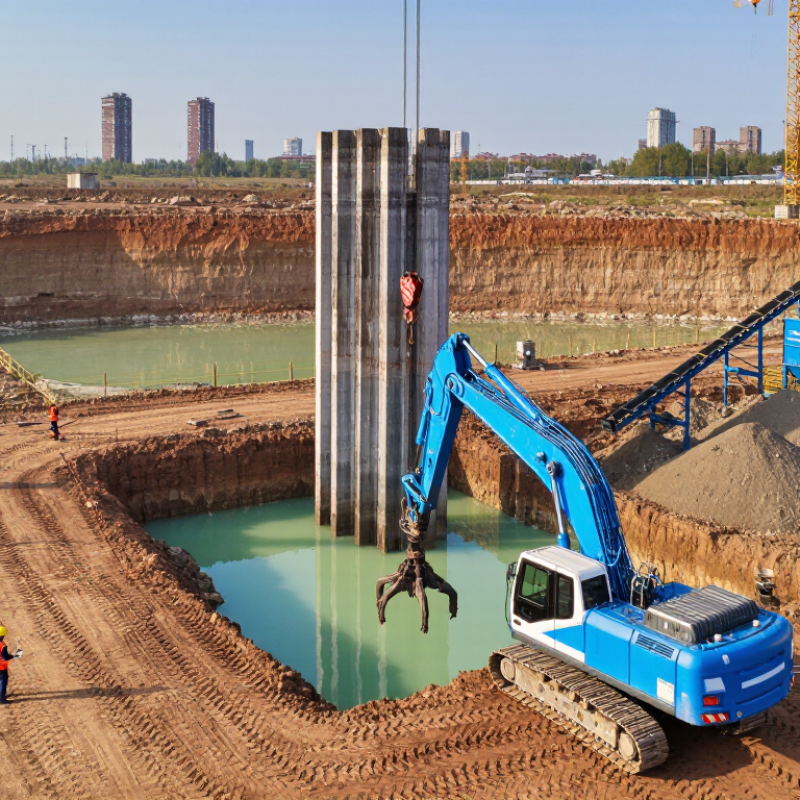
| Mechanical grab | Many conventional diaphragm wall excavations in soils and weathered ground, where obstructions and rock are limited. | Commonly used for panel widths of about 0.6–1.5 m. Achievable depth depends on the rig, ground conditions, and grab configuration. | Can be efficient in excavatable soils. Progress may slow in dense gravel, hard layers, or ground containing obstructions. | Check crane capacity and load charts; inspect ropes, grab, and lifting gear; maintain an exclusion zone around suspended loads. | Requires stable working platforms, suitable guide walls, and properly managed support slurry where required by the excavation method. |
| Hydraulic grab | Projects needing controlled excavation in a range of soils, especially where panel geometry and verticality require close monitoring. | Available configurations suit different panel widths and depths; confirm limits against the specific rig, grab, and ground investigation. | Performance depends on soil strength, grab size, slurry management, and the time needed to clean and verify each panel. | Inspect hydraulic hoses and connections; follow the equipment-specific operating procedure; monitor lifting operations and keep personnel clear. | Needs a stable platform, guide walls, slurry storage and testing, and a plan for handling excavated spoil. |
| Hydraulic diaphragm wall cutter (hydromill) | Deep walls, hard or variable ground, and projects with demanding verticality requirements or where cutting through rock is necessary. | Some cutter systems are designed for depths exceeding 50 m; actual depth and panel dimensions are equipment- and project-specific. | Can provide continuous cutting and useful real-time alignment data. Overall output is affected by rock strength, spoil removal, slurry treatment, and cutter maintenance. | Verify cutter and crane capacity, manage high-pressure hydraulic systems, monitor slurry lines, and establish exclusion zones for lifting and handling operations. | Requires substantial crane and platform capacity, continuous slurry circulation, desanding and treatment facilities, and experienced operating and maintenance staff. |
| Grab with chiselling or other obstruction-removal tools | Localized obstructions or hard inclusions that cannot be removed efficiently by the primary excavation tool alone. | Capability varies with the obstruction, tool, and base excavation equipment; assess the method using site-specific ground information. | May resolve isolated obstructions but usually adds handling and excavation time. Frequent obstructions can make a different primary method more suitable. | Use an engineered lifting plan for tools and attachments; inspect connections; control vibration and keep workers outside the operating area. | Allow space and time for tool changes, spoil handling, slurry control, and any required obstruction-treatment or disposal procedures. |




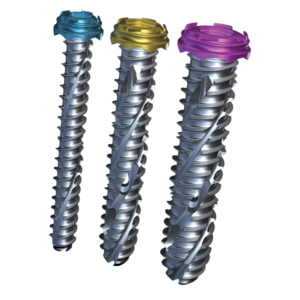

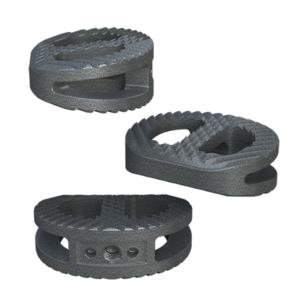 System Features
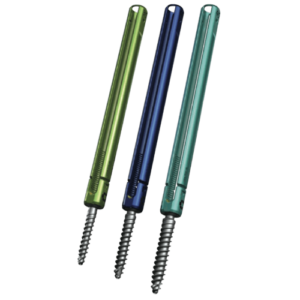 Key Features
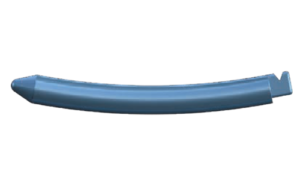 Key Features
 Key Features
 Key Features
 Key Features
 Key Features
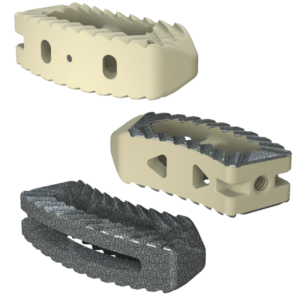
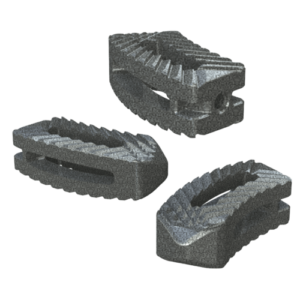
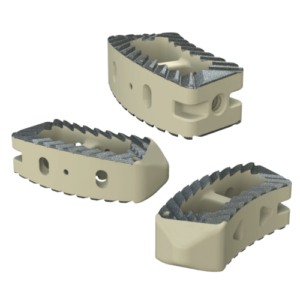
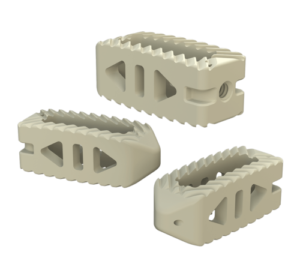
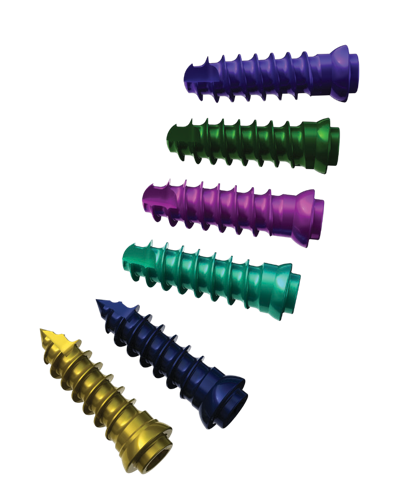
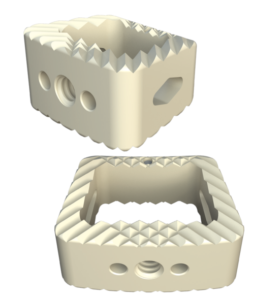 Key Features
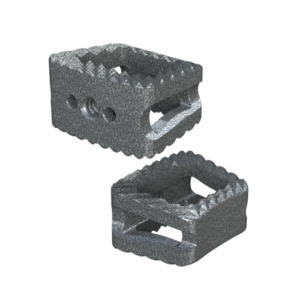 Key Features
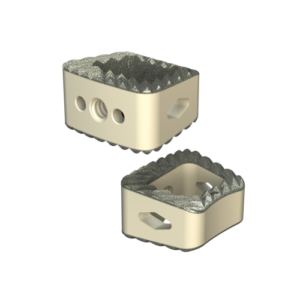 Key Features