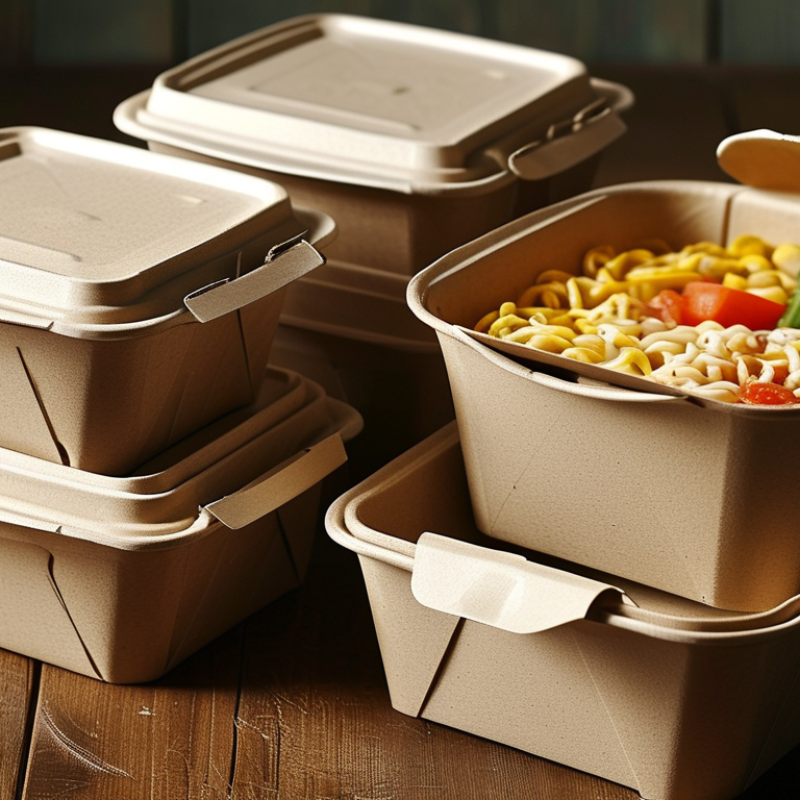
| Molded Fiber Bagasse, bamboo fiber, or recycled paper fiber | Hot entrées, rice dishes, salads, bakery items, and catering portions. | Commonly suitable for hot food up to approximately 90–100°C (194–212°F); exact limits vary by coating and design. | Good resistance to moderate moisture and grease. Extended exposure to sauces may soften some uncoated products. | Use only products documented for food contact. Some fiber products contain PFAS-free grease barriers; verify the supplier's declaration. | Renewable fiber Compostability varies Often compostable only where commercial composting facilities accept the product. | Natural, premium, and eco-conscious appearance. Suitable for printed sleeves, labels, or one-color graphics. | Approximately $0.10–$0.35, depending on size, lid, coating, and order volume. | Businesses emphasizing renewable materials and a natural presentation. |
| Paperboard with Aqueous Coating Folding cartons or paper meal boxes | Sandwiches, fried foods, noodles, pastries, and dry-to-moderately moist meals. | Commonly suitable for warm food up to approximately 80–95°C (176–203°F); not generally intended for direct oven use. | Moderate grease and moisture resistance. Performance depends heavily on the inner coating, seams, and closure. | Confirm food-contact compliance and the intended use with oily, acidic, or hot foods. Keep away from direct flame and conventional ovens. | Lightweight Recycling varies Paper recycling may be limited when heavily food-soiled or combined with plastic components. | Excellent printable surface for logos, color systems, product descriptions, and promotional messaging. | Approximately $0.08–$0.30, depending on board weight, printing, size, and closure style. | Takeaway concepts that prioritize printed brand presentation and low shipping weight. |
| Polypropylene (PP) Single-use or reusable plastic containers | Hot meals, soups, curries, meal prep, microwavable food, and delivery orders. | Many food-grade PP products are designed for hot food and microwave reheating; exact limits commonly range from approximately 100–120°C (212–248°F). | Very good leak resistance when paired with a properly fitted lid. Good resistance to oils and sauces. | Confirm microwave, dishwasher, and temperature claims for the exact product. Do not infer oven safety from microwave safety. | Durable Recycling access varies Reusable PP can reduce packaging use when a reliable return-and-wash system is available. | Clean, modern, and highly consistent. Clear or translucent versions improve food visibility; labels are usually needed for customization. | Approximately $0.12–$0.60 for single-use formats; reusable systems generally cost more initially. | Hot, saucy foods and operations requiring dependable stacking and delivery performance. |
| Polyethylene Terephthalate (PET) Clear plastic containers | Salads, cold bowls, fruit, desserts, sandwiches, and chilled prepared foods. | Generally intended for chilled or room-temperature food, often approximately 0–60°C (32–140°F); not suitable for most hot-fill or microwave applications. | Good clarity and strong resistance to moisture and many food ingredients. Hinged lids can provide secure closure. | Verify the product's temperature rating and food-contact documentation. Do not use for hot food unless explicitly rated. | Widely recognized resin Collection varies Recyclability depends on local collection, sorting, and market conditions. | Excellent product visibility and strong color contrast. Ideal when presentation depends on showing the food. | Approximately $0.08–$0.35, depending on clarity, shape, lid style, and order quantity. | Chilled products where visibility, freshness cues, and merchandising are important. |
| Aluminum Foil trays or takeout pans | Roasted meals, baked dishes, casseroles, catering portions, and oven-to-table service. | Suitable for high-temperature oven applications when the product is specifically rated for oven use. Do not use in a microwave. | Excellent resistance to grease, moisture, and sauces. Rigid walls support heavier meals. | Avoid prolonged contact with highly acidic or salty foods unless the product is designed for that use. Keep away from microwave ovens. | Recyclable where collected Aluminum recycling can preserve material value, but containers should be emptied and accepted by the local program. | Functional and catering-oriented. Printed paper lids, sleeves, or labels can add visual identity. | Approximately $0.15–$0.70, depending on gauge, capacity, lid type, and volume. | Oven-finished meals, catering, and products requiring high rigidity and heat tolerance. |
| Reusable Tritan or PP System Returnable container with collection and washing | Office meal programs, campuses, corporate dining, events, and controlled delivery loops. | Depends on the polymer and design; many systems support hot food, refrigeration, and commercial dishwashing within specified limits. | Excellent when the lid gasket and closure are maintained. Repeated washing can eventually affect seals and surface appearance. | Requires documented food-contact compliance, cleaning procedures, inspection criteria, and replacement rules. | Designed for repeated use Environmental benefit depends on return rate, number of cycles, transport distance, washing energy, and loss rate. | Durable, organized, and premium. Embossing, color coding, or removable labels can support brand recognition. | Approximately $1.00–$5.00+ per container initially, excluding collection, washing, logistics, and loss costs. | Businesses with predictable customer behavior and the infrastructure to collect, wash, and redeploy containers. |




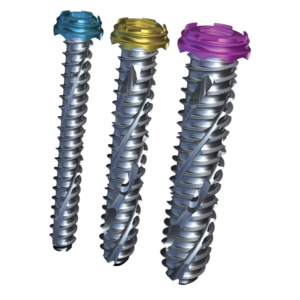

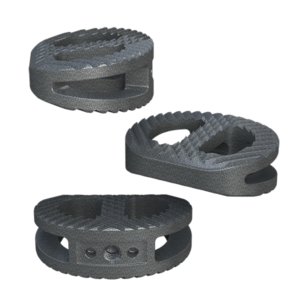 System Features
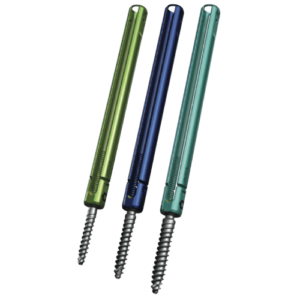 Key Features
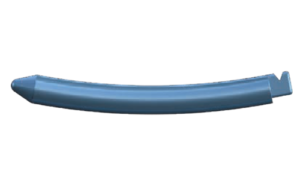 Key Features
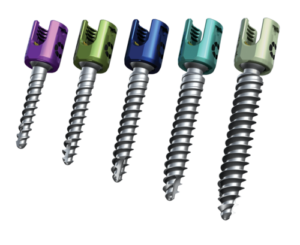 Key Features
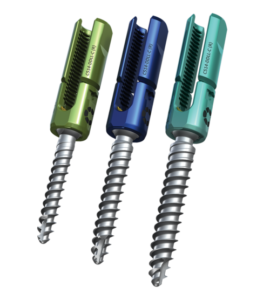 Key Features
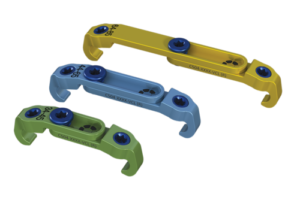 Key Features
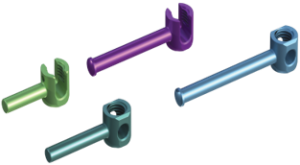 Key Features
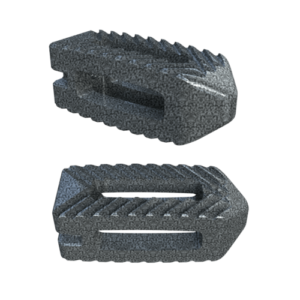
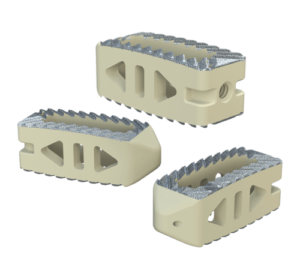

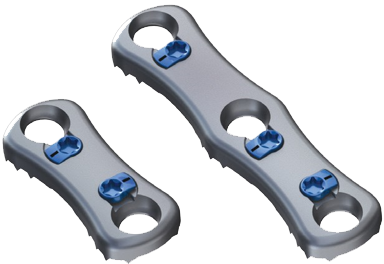

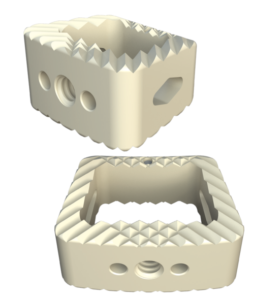 Key Features
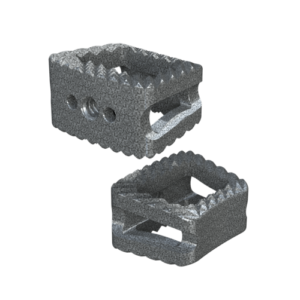 Key Features
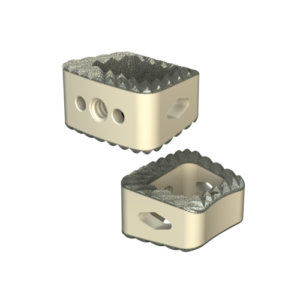 Key Features