| Product and application expertise | Confirm the supplier understands the intended application, such as food, dietary supplements, or pharmaceutical manufacturing. Grade requirements vary by use and applicable regulations. | Product specification, intended-use information, applicable compendial or regulatory references, and technical support contact. | Clearly explains which grade is offered and which requirements it is designed to meet. | Uses “food grade,” “pharmaceutical grade,” or similar terms without a specification or supporting documentation. |
| Manufacturing process knowledge | Ask whether glycine is produced by chemical synthesis or fermentation, and how the process is controlled. The route can affect process controls and impurity considerations. | Manufacturing overview, process-control summary, and information on how changes to the process are reviewed. | Can describe the production route and relevant controls while protecting confidential process details. | Cannot identify the manufacturing site or provide a basic explanation of process oversight. |
| Identity and composition testing | Check that each lot is tested for identity and assay using defined methods and acceptance criteria. | Recent lot-specific certificate of analysis (COA), test methods, results, and specification limits. | COA identifies the lot and reports actual results, units, methods, and pass/fail limits. | Provides only a generic sample COA, or lists results without methods, units, or lot identification. |
| Impurity and contaminant controls | Review limits and testing or risk-based controls for relevant impurities, including elemental impurities and process-related contaminants where appropriate to the application. | Impurity specification, analytical results or risk assessment, and explanation of the testing frequency. | Controls are based on the product’s process, intended use, and applicable requirements. | Makes broad “free from contaminants” claims without defined limits or supporting evidence. |
| Microbiological quality | Determine whether microbial testing is required for the intended use and whether the supplier has suitable limits and controls for the powder and its handling. | Microbiological specification, relevant lot results, sampling plan, and environmental or hygiene-control overview. | Explains the applicable limits and testing approach rather than applying the same claims to every use. | Cannot provide a rationale for microbial limits or describes controls without documentation. |
| Quality management system | Assess the quality system at the manufacturing site, including document control, deviations, corrective actions, change control, and internal audits. | Current quality-system certificates where applicable, audit information, and a description of change-notification practices. | Provides relevant, current documentation and explains how product or process changes are communicated. | Relies on an expired certificate or cannot clarify which site and activities are covered. |
| Manufacturing capacity and consistency | Confirm available production capacity, typical lead times, minimum order quantities, and the ability to maintain consistent specifications across lots. | Capacity and lead-time information, recent lot-to-lot data where available, and supply-continuity procedures. | Provides realistic commitments and has a documented process for managing supply interruptions. | Promises immediate or unlimited supply without explaining production planning or contingency measures. |
| Packaging and storage | Check that packaging is appropriate for the product, protects it during transport and storage, and is suitable for the intended market and use. | Packaging specification, storage conditions, shelf-life support, and shipping or handling instructions. | Provides clear storage guidance and uses packaging with defined material and closure specifications. | Does not state storage conditions, shelf life, or packaging details. |
| Traceability and documentation | Verify that raw materials and finished lots can be traced and that relevant records are retained. | Lot-coding explanation, traceability procedure, COA, and available safety or technical data sheets. | Can link delivered material to a specific lot and provide consistent, controlled documents. | Documents have inconsistent product names, lot details, or revision dates. |
| Supplier qualification and support | Evaluate responsiveness to technical questions, complaint handling, and willingness to support audits or qualification requests. | Questionnaire responses, complaint procedure, audit options, and named quality or technical contact role. | Answers are documented, timely, and routed to appropriate quality or technical personnel. | Sales responses replace technical answers, or quality concerns receive no documented follow-up. |





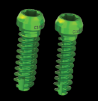
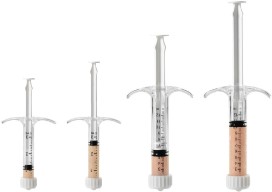
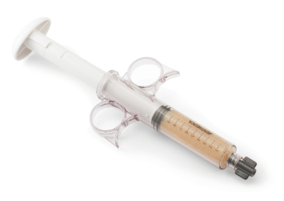
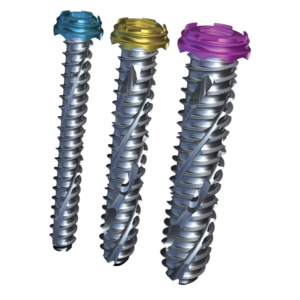

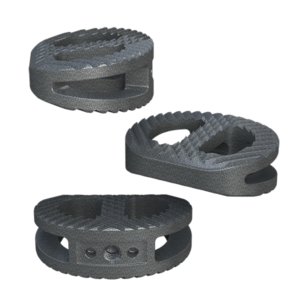 System Features
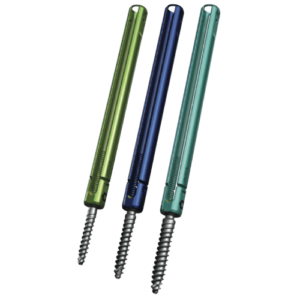 Key Features
 Key Features
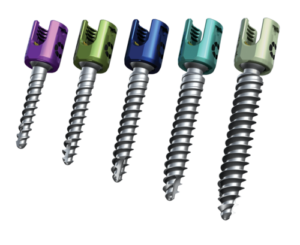 Key Features
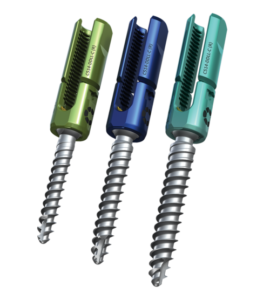 Key Features
 Key Features
 Key Features

 Key Features
 Key Features
 Key Features