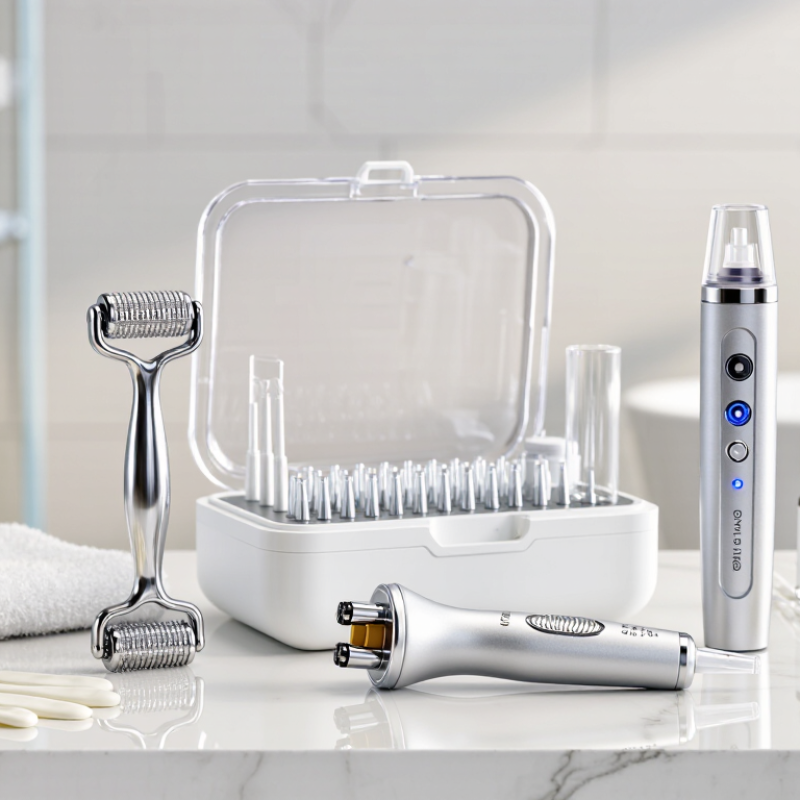
| Manual microneedling roller | A hand-rolled cylinder carries rows of fine needles that enter the skin at an angle as the device moves across it. | Some products are marketed for home use, but penetration and results can be difficult to control. Needle length alone does not reliably indicate how deeply a needle enters the skin. | Repeated rolling can cause uneven pressure, irritation, or skin injury. Needles can become contaminated or damaged if the device is reused or cleaned improperly. | Do not choose by needle length alone. Check whether the product is legally marketed for the intended use in your location, and ask a qualified clinician before using a device that punctures the skin. |
| Automated microneedling pen | A motor moves a needle cartridge rapidly in and out of the skin. A trained operator can adjust settings such as needle depth and speed for different areas. | Commonly used in professional settings for concerns such as acne scars or uneven skin texture. Treatment settings are individualized rather than one-size-fits-all. | Temporary redness, swelling, pinpoint bleeding, and sensitivity may occur. Infection, pigment changes, or scarring are possible, particularly with improper technique or unsuitable skin conditions. | Look for a qualified, trained provider, sterile single-use cartridges, and a consultation that covers skin history, expected recovery, and realistic outcomes. |
| Radiofrequency (RF) microneedling | Needles enter the skin and deliver radiofrequency energy, producing heat in targeted tissue as well as mechanical micro-injuries. | Usually performed by a trained professional. Device design, energy delivery, needle depth, and treatment plan differ; settings should be selected for the individual. | It has additional heat-related risks. Burns, scarring, pigment changes, and loss of underlying facial fat have been reported with RF microneedling. It is not simply a stronger version of a home roller. | Discuss the specific device, operator training, risks, and alternatives with a qualified clinician. Avoid treatment by an untrained operator or at-home RF microneedling. |
| Shallow cosmetic needling products | Products described as “micro” or “cosmetic” needling may make very superficial contact or create small punctures; product design and actual skin penetration vary. | Often marketed for cosmetic routines, but claims and permitted uses differ by product and jurisdiction. | Terms such as “micro” do not establish safety, effectiveness, or regulatory status. Puncturing the skin can increase irritation and infection risk. | Read the instructions and regulatory information carefully. Do not assume that a cosmetic label means a product is suitable for every skin type or safe to share. |
| Non-needling alternatives | Options such as topical skincare, professional chemical peels, or certain laser treatments work through different mechanisms and do not use needles to puncture the skin. | May be considered when needling is unsuitable or when a person prefers a different approach. The appropriate option depends on the concern and skin type. | These treatments have their own risks, recovery periods, and limitations; they are not direct substitutes for every microneedling indication. | Ask a dermatologist or other qualified clinician to compare options based on your goals, medical history, skin tone, and tolerance for downtime. |




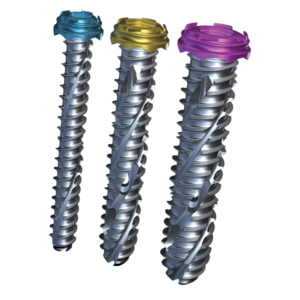

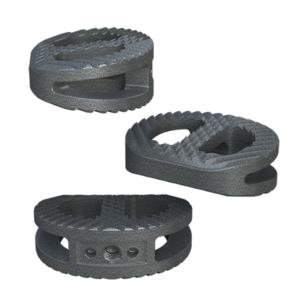 System Features
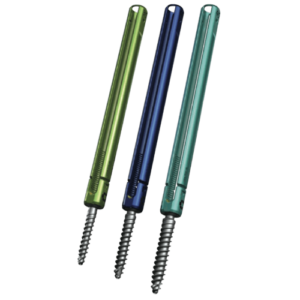 Key Features
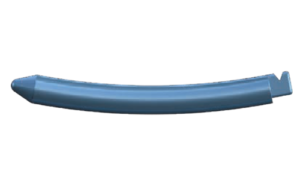 Key Features
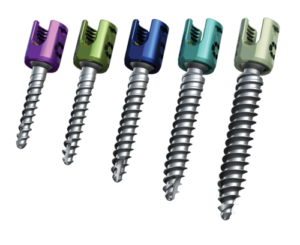 Key Features
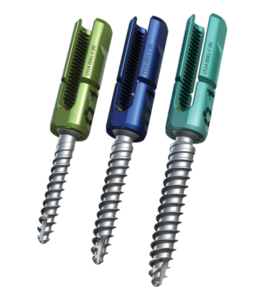 Key Features
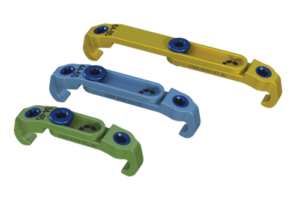 Key Features
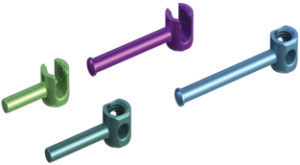 Key Features
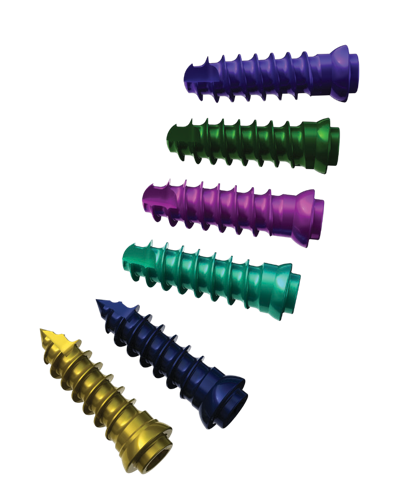
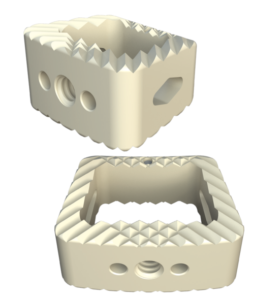 Key Features
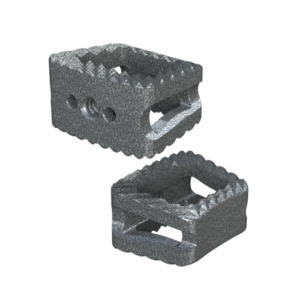 Key Features
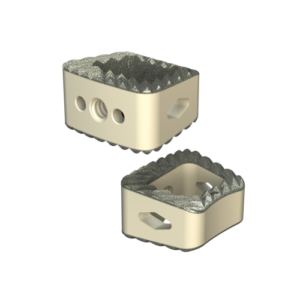 Key Features