A useful consultation should feel like a careful examination, not a sales pitch. Bring your scan reports, medication list, and a short record of when pain worsens, such as after sitting or lifting. Ask each surgeon to explain what the images show, whether they match your symptoms, and what could happen without surgery. A second opinion can change the picture:
A 2017 Mayo Clinic study of 286 patients found that second opinions changed diagnoses in 21% of cases and refined them in 66%.
Not every case is that complicated. Still, another interpretation may help you ask better questions.
Compare treatment plans line by line. Does the surgeon recommend physical therapy, medication, injections, or surgery—and why now?
The North American Spine Society’s guideline for lumbar disc herniation with radiculopathy notes that surgery can provide faster relief for suitable patients, while timing and individual circumstances matter.
Ask about likely benefits, alternatives, recovery time, and risks specific to your health. Request clear estimates for complications such as infection, blood clots, or persistent symptoms, and ask how often the surgeon performs the proposed procedure.
A polished office can still leave you uncertain. I would notice that. Take the written plan home, then compare whether each recommendation addresses the same diagnosis and goals.











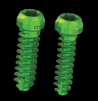

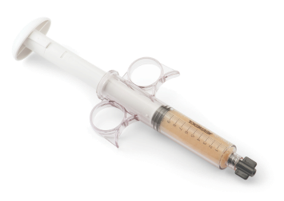
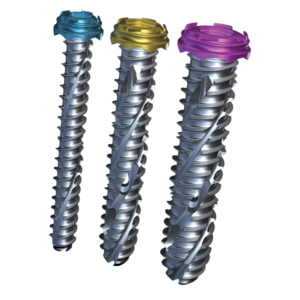

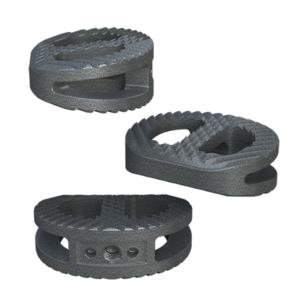 System Features
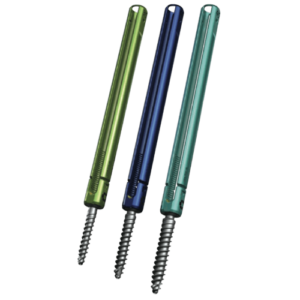 Key Features
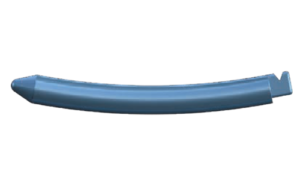 Key Features
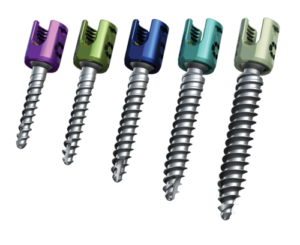 Key Features
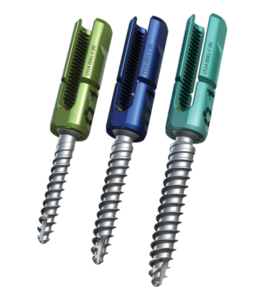 Key Features
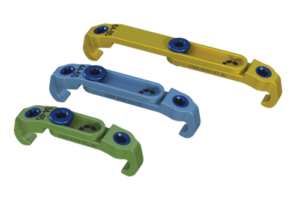 Key Features
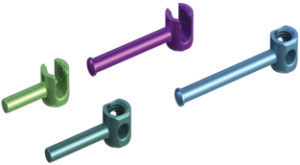 Key Features
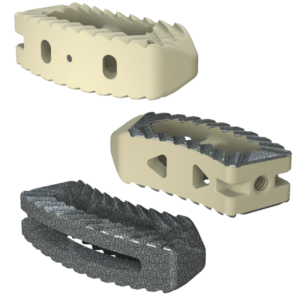
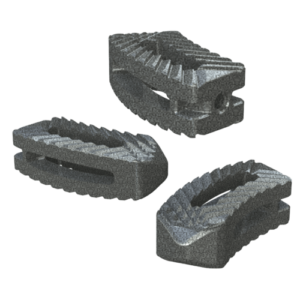
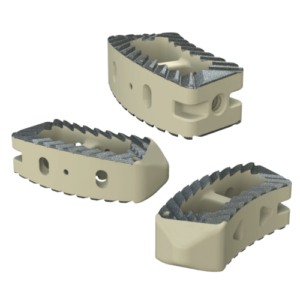
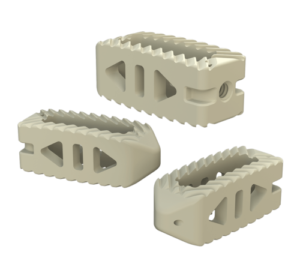
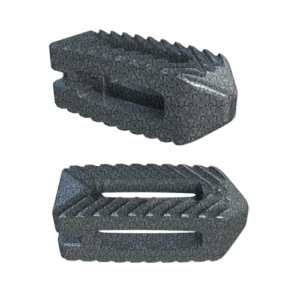
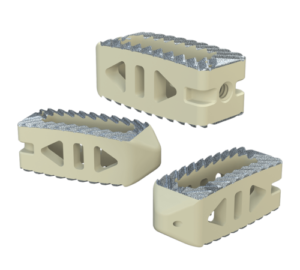
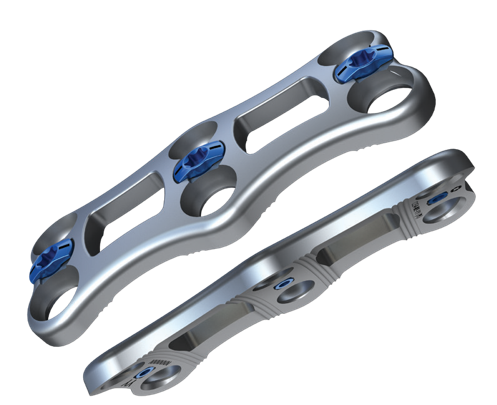
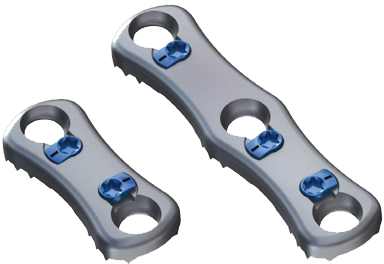
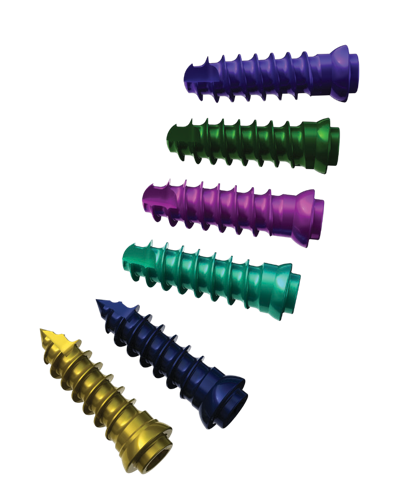
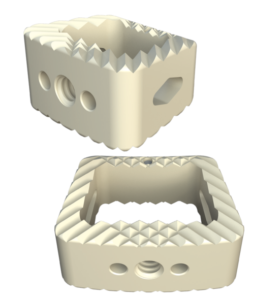 Key Features
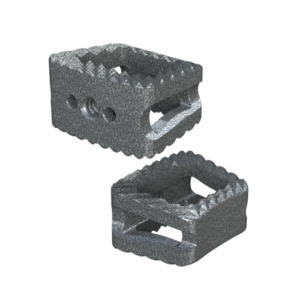 Key Features
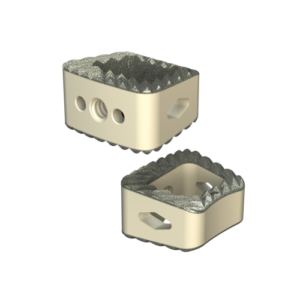 Key Features