| Strip Length | Approximately 65–75 mm | Provides broader coverage across a wider nasal bridge while reducing the risk of insufficient edge contact. | Measure the finished strip, including the usable adhesive area rather than the release liner. |
| Strip Width | Approximately 18–25 mm at the center | A wider center section can improve lifting support and coverage for larger nasal structures. | Check that the strip does not extend onto the eyes or interfere with normal facial movement. |
| Shape | Wide center with gently tapered, rounded ends | Rounded edges help reduce lifting, rolling, and discomfort during extended wear. | Apply samples to different nose shapes and inspect edge adhesion after movement. |
| Backing Material | Flexible, breathable nonwoven or elastic backing | Flexibility allows the strip to follow the contours of a broader nose without excessive stiffness. | Check tensile strength, flexibility, surface smoothness, and resistance to tearing. |
| Adhesive Type | Skin-contact adhesive suitable for short-term topical use | Adequate adhesion is essential because larger strips may experience greater edge tension during wear. | Request peel-adhesion, holding-power, and residue data from the supplier. |
| Skin Compatibility | Latex-free option with low-irritation adhesive | Reduces concerns for users with sensitive skin or known latex sensitivity. | Review material declarations, irritation testing, allergen information, and user warnings. |
| Wear Time | Designed for single-use wear, commonly up to 8 hours | A clearly defined wear period helps distributors communicate safe and realistic usage expectations. | Confirm the recommended application and removal time through product testing and instructions. |
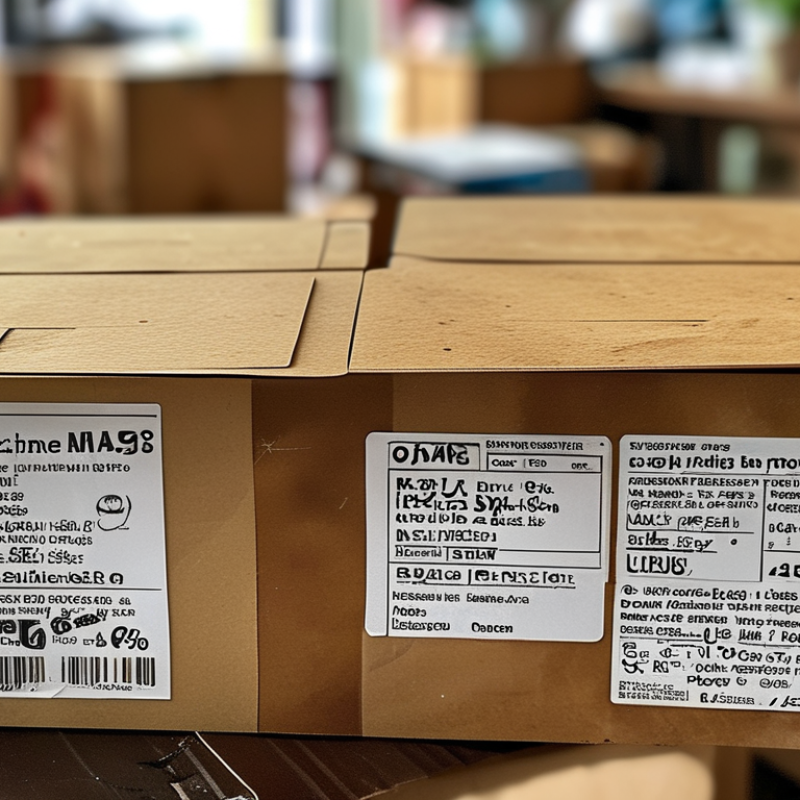
| Packaging Format | Individual sachets; retail boxes containing 10–30 strips | Individual packaging supports hygiene, portability, and controlled inventory management. | Check seal integrity, opening convenience, batch identification, and storage instructions. |
| Carton Configuration | Use case packs that match warehouse and retail handling needs | Efficient case quantities can reduce handling time and simplify stock replenishment. | Confirm units per carton, carton dimensions, gross weight, and pallet configuration. |
| Minimum Order Quantity | Set by packaging format, customization needs, and production capacity | A suitable order quantity balances unit cost, storage space, and demand uncertainty. | Request tiered pricing for sample orders, trial orders, and recurring wholesale volumes. |
| Shelf Life | Typically 24–36 months when stored as specified | Longer verified shelf life helps wholesalers manage inventory across multiple sales cycles. | Verify expiry-date format, stability data, storage temperature, humidity limits, and stock rotation policy. |
| Regulatory Documentation | Material specifications, safety information, test reports, and labeling support | Documentation supports import review, marketplace listing, and responsible product communication. | Check whether documents match the destination market and the actual product composition. |
| Sample Approval | Approve samples before confirming the bulk order | Real-use testing reveals fit, comfort, adhesion, residue, and packaging issues that specifications alone may miss. | Test samples on clean, dry skin and compare performance across several large-nose user profiles. |






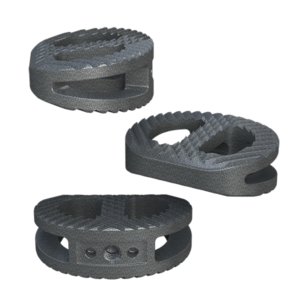 System Features
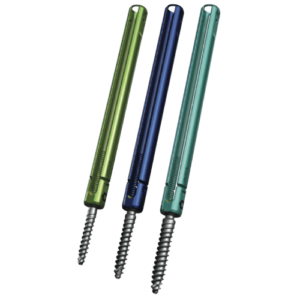 Key Features
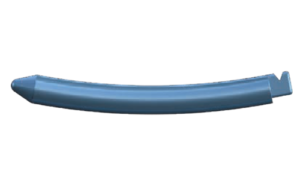 Key Features
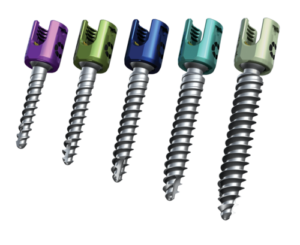 Key Features
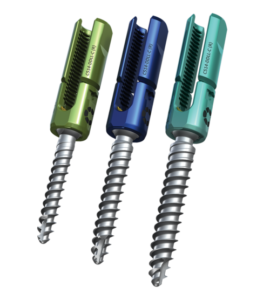 Key Features
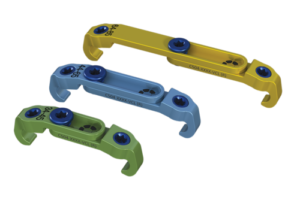 Key Features
 Key Features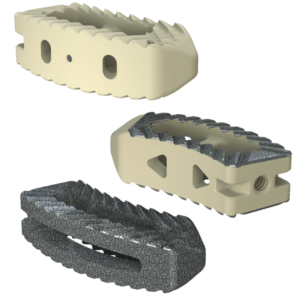


 Key Features
 Key Features
 Key Features