| Cannula Material | Austenitic stainless steel | Common grades include 304 or 316L; medical-grade tubing is typically cold-drawn and precision-finished. | High strength, corrosion resistance, reliable sharpness, and compatibility with common sterilization processes. | Request material certificates, dimensional tolerances, surface-finish data, and evidence of compliance with applicable needle-tubing requirements such as ISO 9626. |
| Hub Material | Polypropylene or polycarbonate | Color-coded molded hub with a standard luer connection where applicable. | Lightweight, moldable, and suitable for visual identification of needle gauge. | Confirm resin grade, dimensional compatibility, bond strength, leakage performance, and biocompatibility evaluation under ISO 10993 where required. |
| Needle Gauge | 18G to 30G | Approximate outside diameters: 18G = 1.20 mm, 21G = 0.80 mm, 23G = 0.60 mm, 25G = 0.50 mm, 27G = 0.40 mm, 30G = 0.30 mm. | Allows a balance between flow rate, penetration force, and intended procedure requirements. | Gauge conventions can vary slightly by specification; define outside diameter, inside diameter, wall type, and tolerance rather than relying on gauge alone. |
| Needle Length | 13 mm, 25 mm, or 38 mm | Common nominal lengths are 1/2 inch, 1 inch, and 1 1/2 inches; custom lengths may also be available. | Supports different access depths and application requirements. | Specify usable cannula length, hub reference point, tolerance, and measurement method. Confirm that the protective cap does not interfere with packaging dimensions. |
| Bevel Design | Regular bevel, short bevel, or multi-facet bevel | Bevel geometry is selected according to penetration characteristics, flow needs, and intended use. | Can influence penetration force, cutting performance, fluid flow, and user handling. | Define bevel angle, facet count, tip symmetry, burr limits, and microscopic inspection criteria. Request penetration-force and tip-quality test records when relevant. |
| Wall Construction | Regular-wall or thin-wall tubing | Thin-wall designs provide a larger internal diameter at the same outside diameter. | May improve flow while maintaining a comparatively small external diameter. | Check resistance to bending, occlusion, dimensional consistency, and compatibility with the selected application. Do not compare flow performance by gauge alone. |
| Lubrication | Medical-grade silicone lubricant | Applied in a controlled quantity to reduce friction during insertion. | Can reduce insertion resistance and support smoother handling. | Specify lubricant type, application range, visible residue limits, and compatibility with the intended use. Excess lubricant may affect downstream processes or testing. |
| Safety Design | Standard needle or safety-engineered needle | Safety versions may include a hinged shield, sliding shield, or other mechanism intended to reduce needlestick exposure. | May provide additional protection during or after use when correctly activated. | Evaluate activation reliability, one-handed operation, visibility of the tip, accidental re-opening risk, and compliance with destination-market safety requirements. |
| Primary Packaging | Individual blister or peelable pouch | A sealed sterile barrier typically uses medical-grade paper, coated film, or thermoformed plastic with a lidding material. | Supports individual presentation, contamination control, traceability, and aseptic opening. | Check seal strength, seal width, visual defects, package integrity after sterilization, aging performance, and conformity with ISO 11607 principles. |
| Secondary Packaging | Carton with protective inner tray or bag | Common configurations include 50 or 100 individually packaged units per carton, subject to buyer requirements. | Improves transport protection, warehouse handling, and inventory counting. | Define carton quantity, case dimensions, stacking limits, humidity protection, pallet configuration, and barcode or labeling requirements. |
| Sterilization Method | Ethylene oxide, gamma irradiation, or electron beam | The selected method depends on product materials, packaging construction, process capability, and market requirements. | Provides validated sterilization options for finished, packaged products. | Request sterilization validation and routine release records. For ethylene oxide, review residual limits and aeration controls; for radiation, review dose mapping and material compatibility. |
| Labeling and Traceability | Lot-controlled label with size, length, sterility, and expiry information | Labels commonly identify gauge, length, quantity, lot or batch number, manufacturing date, expiry date, and sterile status where applicable. | Supports stock control, complaint investigation, and product recall management. | Confirm language, symbols, UDI or local identification rules, barcode format, label durability, and alignment with the destination market. |
| Pre-Shipment Verification | Document review plus sampling inspection | Typical checks include dimensions, hub fit, bevel quality, packaging integrity, labeling, sterility documentation, and carton quantity. | Reduces the risk of receiving nonconforming or incorrectly labeled goods. | Agree on acceptance criteria, sampling plans, change-control procedures, certificate requirements, and retention samples before placing a purchase order. |






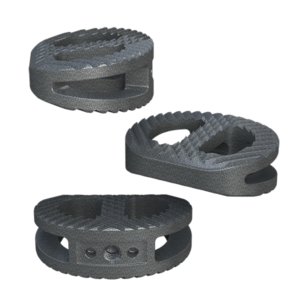 System Features
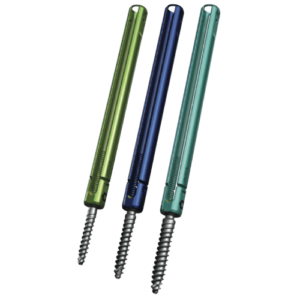 Key Features
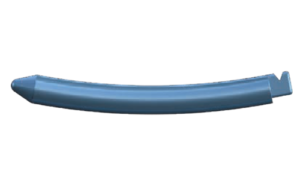 Key Features
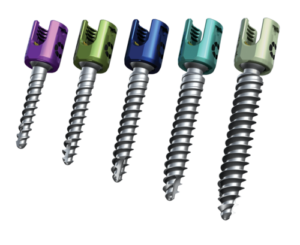 Key Features
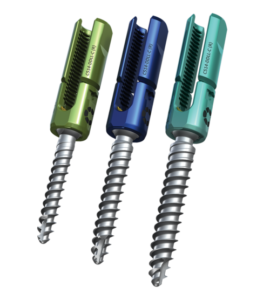 Key Features
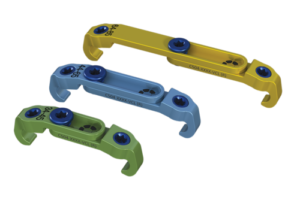 Key Features
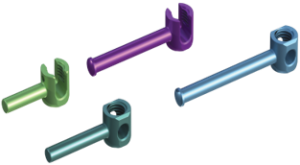 Key Features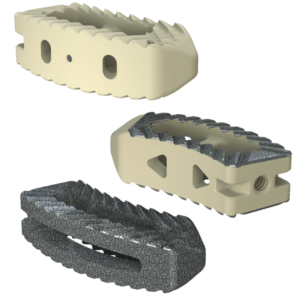

 Key Features
 Key Features
 Key Features