Why Choose Beet Root Juice Powder for Global Sourcing?
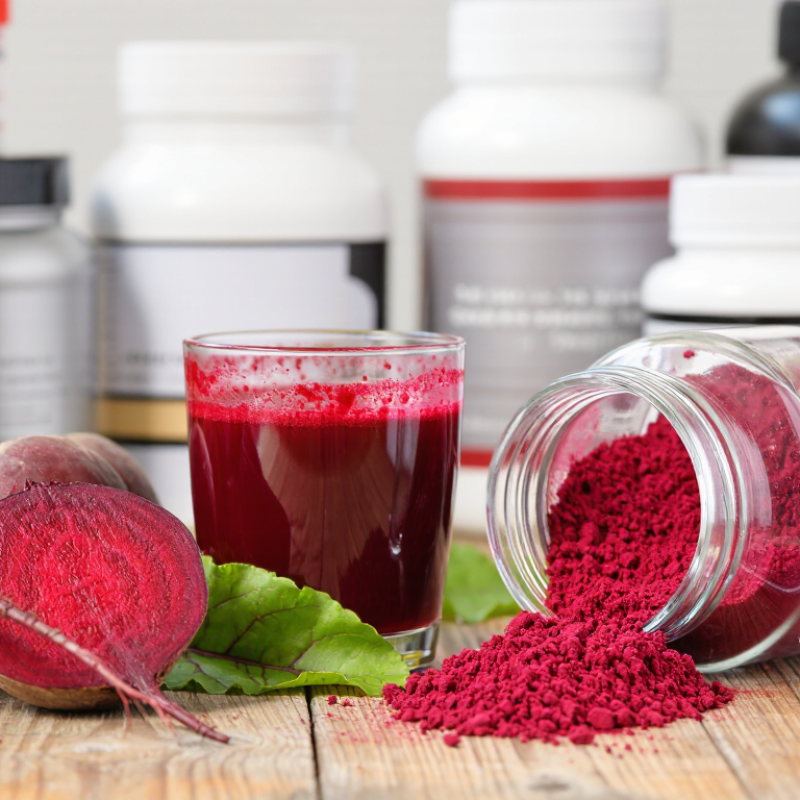
Beet root juice powder travels through several control points before reaching an overseas buyer. Fresh roots may carry soil, microbes, or foreign matter. Drying reduces moisture, but it does not replace hygiene controls.
The Codex Alimentarius General Principles of Food Hygiene, revised in 2022, recommends HACCP as a preventive system based on seven core principles. For beet powder, a practical HACCP plan should examine receiving, washing, cutting, drying, milling, metal detection, and final packing.
ISO 22000 adds a broader food safety structure. It links hazard analysis with prerequisite programs, internal communication, corrective actions, and continual improvement. ISO’s 2023 Survey records tens of thousands of ISO 22000 certificates worldwide, showing wide adoption across food supply chains.
Still, certification is not magic. A valid certificate can exist beside a poorly controlled batch. I would verify the certificate scope, expiry date, certification body, and audited production site. Ask for recent batch records, moisture results, microbiological testing, allergen controls, and traceability evidence.
Small details matter. Can the supplier trace one carton back to a drying shift? Can they explain a failed swab without hiding it?
The World Health Organization estimates that contaminated food causes about 600 million illnesses and 420,000 deaths annually. That figure makes documentation more than paperwork. It becomes a sourcing decision. Some evidence may remain incomplete, and that deserves honest review rather than confident assumptions.





 System Features
 Key Features
 Key Features
 Key Features
 Key Features
 Key Features
 Key Features
 Key Features
 Key Features
 Key Features