| Product Portfolio | Napkin formats | Day, night, ultra-thin, maxi, maternity, or panty-liner products; common finished lengths are approximately 150–450 mm. | Choose a machine with adjustable product length, width, embossing, and folding settings if multiple formats are planned. | Request samples in every planned size and confirm changeover settings. |
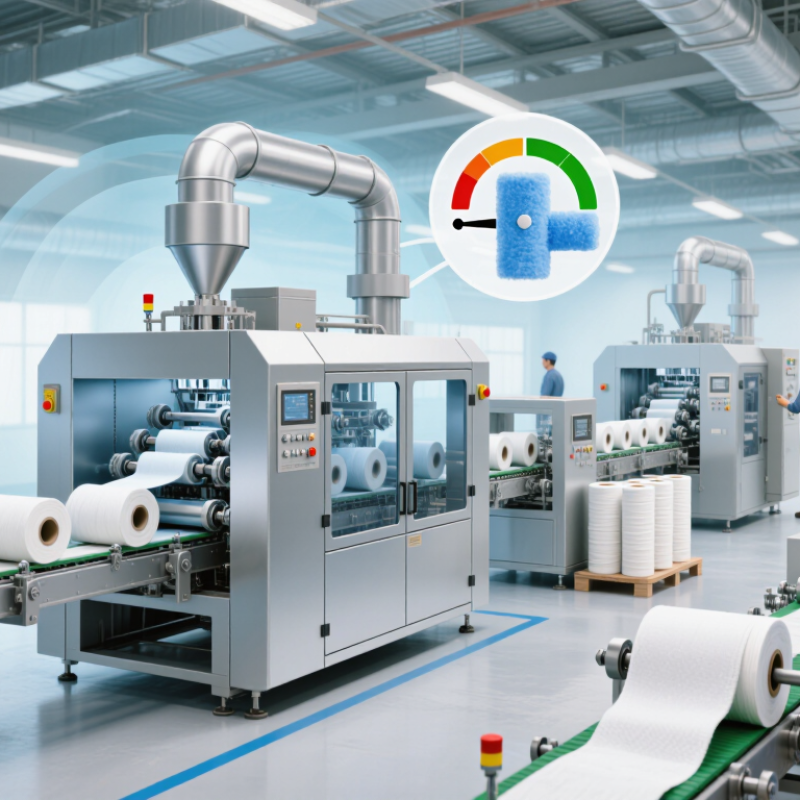
| Target Output | Nominal line speed | Entry-level: about 300–600 pieces/min; medium-speed: about 600–1,000 pieces/min; high-speed: above 1,000 pieces/min. | Select capacity from actual demand rather than maximum advertised speed. Allow 15–25% spare capacity for growth and downtime. | Compare tested continuous speed, not only the mechanical maximum. |
| Production Volume | Monthly demand calculation | Planned monthly output = pieces/min × operating minutes/hour × operating hours/day × working days/month × utilization rate. | Use a realistic utilization rate of approximately 75–85% to account for setup, material changes, cleaning, minor stops, and rejects. | Use at least three months of forecast demand and include seasonal peaks. |
| Core Structure | Absorbent core formation | Typical core materials include fluff pulp, absorbent paper, superabsorbent polymer, or combinations of these materials. | Choose a configuration that controls core weight, distribution, thickness, and density consistently. | Check basis-weight tolerance, core-profile repeatability, and material-loss rate. |
| Material Compatibility | Raw-material width and roll handling | Common materials include nonwoven topsheet, PE or breathable backsheet, tissue, release paper, elastic, adhesive, fluff pulp, and absorbent polymer. | Specify maximum roll diameter, core diameter, web width, tension range, and splice method for every material. | Run the exact grades and grammages intended for commercial production. |
| Product Features | Wings, channels, embossing, and adhesive | Optional functions may include wing folding, contour embossing, pressure-sensitive positioning adhesive, individual wrapping, and easy-tear packaging. | Select only features required by the product specification to reduce complexity, waste, and changeover time. | Confirm adhesive application accuracy, folding symmetry, and seal strength. |
| Automation Level | Controls and operator support | Automation may cover servo-driven positioning, touchscreen recipes, automatic tension control, web-break detection, fault alarms, and production monitoring. | Use recipe management and automatic monitoring for multiple product sizes or frequent changeovers. | Check access levels, data export, alarm history, remote support, and language options. |
| Quality Control | Inspection and rejection functions | Useful controls include missing-material detection, product-length measurement, metal detection, adhesive inspection, seal inspection, and automatic reject systems. | Integrate inspection points where defects can be detected before individual wrapping or case packing. | Measure false-reject rate, detection accuracy, traceability, and calibration requirements. |
| Packaging Format | Wrapping and bagging options | Packaging may be individual wrap, multi-piece pouch, carton, or bulk case packing; pack counts commonly range from 8 to 40 pieces. | Match the packaging module to retail format, required pack count, film type, and sealing temperature. | Verify seal integrity, film tracking, print registration, and pack-count accuracy. |
| Utilities | Electrical power and compressed air | Many automatic lines require three-phase industrial power and clean, dry compressed air; exact requirements depend on configuration and packaging modules. | Plan power capacity, air-treatment equipment, grounding, ventilation, and backup power where production continuity is important. | Obtain a utility list showing voltage, frequency, connected load, air pressure, and air consumption. |
| Factory Space | Machine footprint and workflow | The complete installation area must include the line, electrical cabinet, raw-material storage, finished-goods staging, maintenance access, and operator walkways. | Reserve additional space around the line for roll loading, inspection, cleaning, and safe material movement. | Approve a scaled layout before ordering and verify floor loading and door dimensions. |
| Labor and Skills | Operators and maintenance staff | Staffing depends on automation, packaging level, shift pattern, material handling, and quality procedures; a fully integrated line generally needs fewer direct operators than a semi-automatic line. | Prioritize accessible adjustments, clear alarms, standardized work instructions, and preventive-maintenance training. | Request installation training, manuals, spare-parts lists, and troubleshooting procedures. |
| Changeover Performance | Format-change time | Changeover time varies widely; simple format adjustments may take less than 30 minutes, while tooling, material, and packaging changes can take longer. | Choose quick-adjust guides, stored recipes, tool-free adjustments, and modular components when producing many sizes. | Test a complete changeover using trained operators and record restart waste. |
| Efficiency and Waste | Material yield and overall equipment effectiveness | Track availability, performance, and quality separately. Monitor trim waste, start-up waste, defective pieces, adhesive loss, and packaging-film loss. | Select stable web tension, accurate cutting, low-loss splicing, and automatic reject collection. | Require a production trial with measured output, good-piece rate, waste percentage, and energy use. |
| Compliance and Hygiene | Materials, contact surfaces, and factory controls | Use cleanable machine surfaces, controlled material storage, dust management, personnel hygiene procedures, and documented quality checks. | Select a design compatible with applicable local product-safety, labeling, electrical, and workplace-safety requirements. | Review technical files, risk assessment, guarding, emergency stops, and quality documentation. |
| Lifecycle Cost | Total cost of ownership | Evaluate purchase price together with installation, tooling, utilities, labor, consumables, spare parts, maintenance, downtime, training, and future upgrades. | Choose the lowest total cost per saleable piece rather than the lowest initial purchase price. | Compare a five-year cost model using the same output, utilization, waste, and maintenance assumptions. |




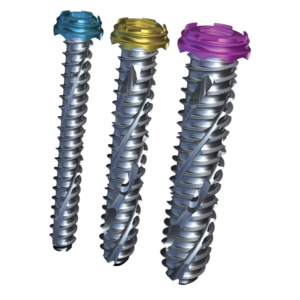

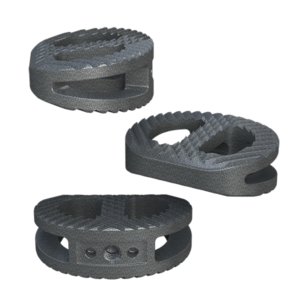 System Features
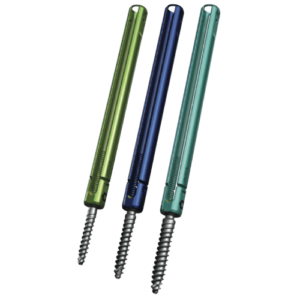 Key Features
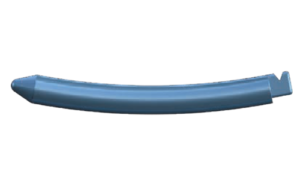 Key Features
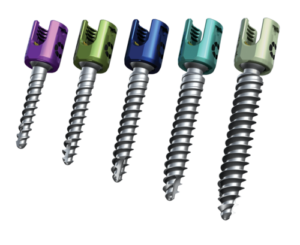 Key Features
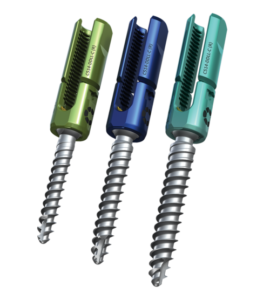 Key Features
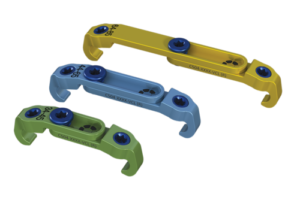 Key Features
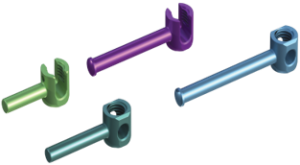 Key Features
 Key Features
 Key Features
 Key Features