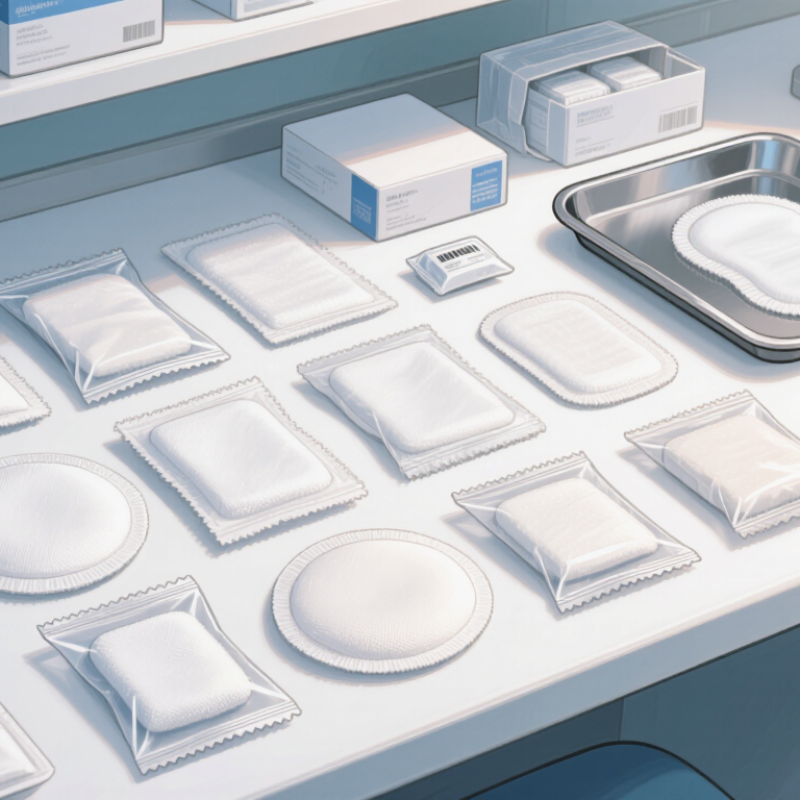
| Woven Gauze Pad | Usually cotton yarn woven into a mesh; supplied in multiple layers and sizes. | Absorbent and breathable. The open weave allows fluid to pass through, but fibers may adhere to a wound if the gauze dries in place. | Absorbing blood or exudate, cleansing, and covering wounds when an appropriate secondary dressing is used. | Choose the size and ply for the wound and expected fluid level. Check whether sterile packaging is required; use care when removing from delicate tissue. |
| Nonwoven Sponge Pad | Commonly rayon, polyester, or a blend of synthetic fibers formed into a nonwoven web. | Soft, conformable, and generally produces fewer loose fibers than many woven gauzes. Absorbency varies by weight and construction. | General wound coverage, fluid absorption, and cleansing in clinical settings. | Compare absorbency, softness, lint characteristics, and layer count. Confirm that the product is intended for the specific clinical use. |
| ABD (Abdominal) Pad | Typically an absorbent cellulose or cotton-fiber core enclosed in a soft nonwoven facing, sometimes with a fluid-resistant backing. | Thick, highly absorbent construction designed to manage larger amounts of drainage; the backing can help limit strike-through when present. | Covering larger wounds or incisions with moderate to heavy drainage, often as a secondary dressing. | Check the pad dimensions, absorbent capacity, and whether the backing is fluid-resistant. Secure with an appropriate retention method. |
| Island Dressing Pad | A central absorbent pad, often made from cellulose or nonwoven fibers, attached to an adhesive border made from fabric or a breathable film. | Combines wound coverage and absorbency with an adhesive border for fixation. Some versions include a low-adherence wound-contact surface. | Covering clean, closed surgical incisions and minor wounds where an all-in-one dressing is suitable. | Select a pad that extends beyond the wound and an adhesive suitable for the patient's skin. Follow product instructions for application and removal. |
| Non-adherent Contact Pad | May use a perforated polymer film or silicone-coated contact layer over an absorbent cotton or nonwoven pad. | Designed to reduce sticking to the wound surface while allowing fluid to reach the absorbent layer. Performance depends on the contact-layer design. | Wounds where minimizing adherence during dressing changes is important, usually with a secondary dressing to secure or absorb drainage. | Check whether the pad is intended to be used alone or with a secondary dressing, and whether its absorbency matches the drainage level. |
| Foam Dressing Pad | Usually polyurethane foam, sometimes combined with a film backing or a soft wound-contact layer. | Provides cushioning and absorbs exudate; some designs help reduce fluid leakage. Foam construction and absorbency vary by product. | Selected wounds with moderate to heavier exudate, including some postoperative wounds, when clinically appropriate. | Consider wound depth, drainage, surrounding skin, and the manufacturer's wear-time guidance. Foam dressings are not suitable for every wound. |




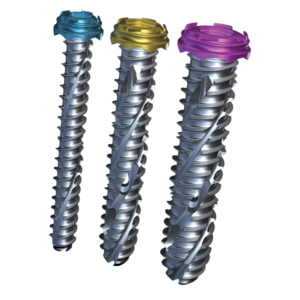

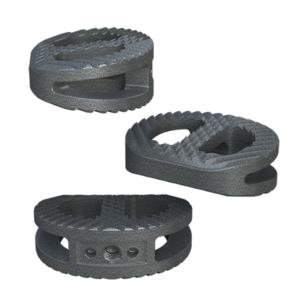 System Features
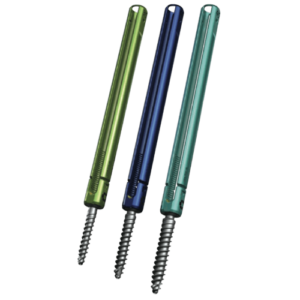 Key Features
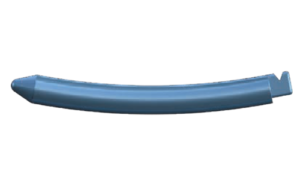 Key Features
 Key Features
 Key Features
 Key Features
 Key Features
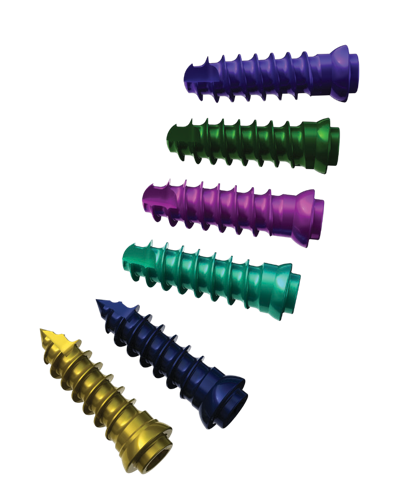
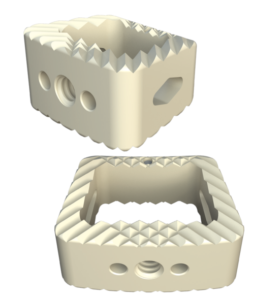 Key Features
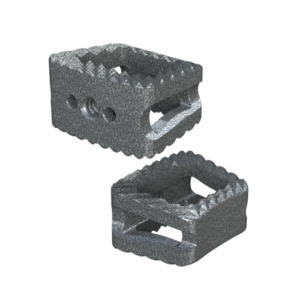 Key Features
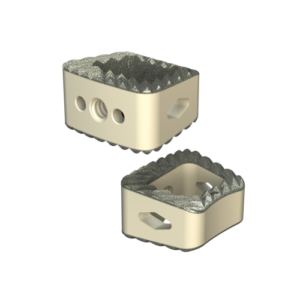 Key Features