| Quality management system | Documented procedures for purchasing, production, inspection, nonconformity control, corrective action, and record retention. | ISO 9001; ISO 13485 when the product is manufactured as a medical device. | Current certificate, scope confirmation, internal-audit records, and corrective-action records. | All suppliers; ISO 13485 is particularly relevant for medical-device applications. |
| Cotton material identity and purity | Use a defined cotton grade with documented fiber composition, cleanliness, color, odor, and absence of visible foreign matter. The buyer should specify whether bleached, absorbent, or untreated cotton is required. | Applicable pharmacopeial or purchaser specifications; no single universal cotton-swab purity limit applies to every market. | Raw-material certificate, incoming inspection, fiber-composition records, and visual inspection results. | All applications. |
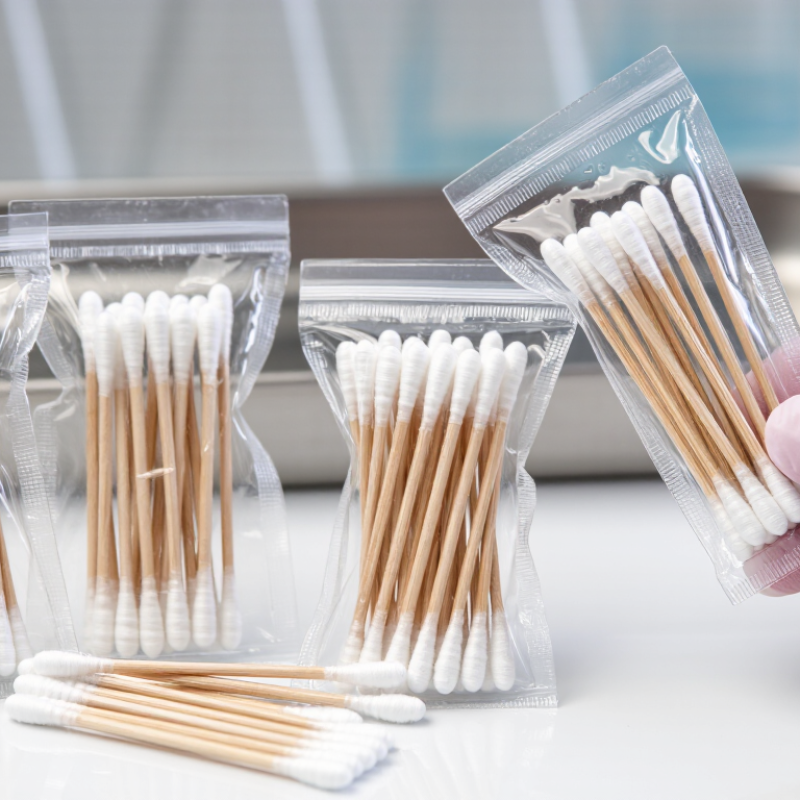
| Swab construction and dimensional consistency | Controlled shaft length and diameter, head size, cotton winding, tip shape, and attachment strength. Dimensions must be defined on the approved product drawing. | Approved technical drawing and purchaser acceptance specification. | Calibrated measuring equipment, first-article inspection, in-process checks, and batch inspection reports. | All applications. |
| Tip retention and mechanical integrity | The cotton head should remain securely attached during intended use and should not shed excessive fibers or expose sharp shaft edges. | Validated internal test method based on the intended use and risk assessment. | Pull, twist, bending, fiber-shedding, and visual-inspection test records with defined acceptance criteria. | All applications; tighter controls are needed for clinical use. |
| Absorbency and liquid-transfer performance | Absorbency, wet strength, and liquid-release performance should match the intended use, such as specimen collection, cleaning, or cosmetic application. | Purchaser-defined performance specification; test method must be validated for the product. | Absorption-time, liquid-retention, release, and wet-strength test reports. | Application-dependent. |
| Bioburden control | Manufacturing areas, handling practices, and packaging operations should control microbial contamination. Limits must be justified by product risk and the sterilization process. | ISO 11737-1 for enumeration of microorganisms on products. | Environmental-monitoring records, bioburden test results, trend analysis, and cleaning records. | Required for sterile products; recommended for products used on sensitive areas. |
| Sterilization validation | If labeled sterile, the supplier must use a validated terminal sterilization process and demonstrate that the packaging and product tolerate the process. | ISO 11135 for ethylene oxide, ISO 11137 for radiation, or ISO 17665 for moist heat, as applicable. A sterility assurance level of 10-6 is commonly specified for terminally sterilized medical devices. | Sterilization validation, routine-cycle records, dosimetry or biological-indicator records, and release authorization. | Sterile products only. |
| Biological safety | Materials, processing aids, inks, adhesives, and residual sterilants should be assessed for the intended contact type and duration. | ISO 10993-1 for biological evaluation; applicable chemical, cytotoxicity, irritation, or sensitization tests should be selected according to risk. | Material declarations, risk assessment, chemical-residue testing, and relevant biological-evaluation reports. | Medical and body-contact applications. |
| Packaging integrity | Each individual package should protect the swab from contamination, moisture, damage, and opening before use. Seal strength and package integrity must remain acceptable through distribution. | ISO 11607-1 and ISO 11607-2 for packaging of terminally sterilized medical devices, where applicable. | Seal-strength, dye-penetration or leak, visual-seal, aging, and transport-simulation test results. | Essential for sterile individual packaging; recommended for hygienic products. |
| Sampling and lot acceptance | Use a documented sampling plan with defined critical, major, and minor defect classifications. Sampling should not replace process control. | ISO 2859-1 for attribute-based sampling using acceptance quality limits. | Inspection plan, lot size, sample size, acceptance numbers, defect photographs, and release records. | All applications. |
| Traceability | Each production lot should be traceable to raw materials, operators, equipment, inspection results, packaging materials, sterilization status, and shipment records. | Supplier quality agreement and applicable quality-management requirements. | Lot code, batch record, certificate of conformity, retention samples, and complaint-investigation records. | All applications; critical for regulated products. |
| Labeling and regulatory documentation | Labels should accurately state product description, quantity, lot or batch code, manufacturing information, expiry or shelf-life information where required, and sterile status when applicable. | Destination-market medical-device, consumer-product, chemical, and packaging requirements. | Artwork approval, label inspection, technical file, declaration of conformity where applicable, and shelf-life evidence. | Market-dependent. |
| Shelf life and storage | Shelf life should be supported by real-time or accelerated aging data, with storage conditions defined to control heat, humidity, sunlight, and contamination. | ASTM F1980 may be used for accelerated aging of sterile barrier systems when scientifically justified; distribution testing should reflect the intended supply chain. | Aging protocol, package-integrity results, retained-sample inspection, and transport-simulation report. | Products with a declared shelf life, especially sterile products. |




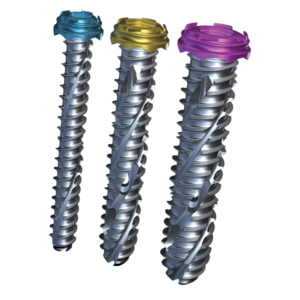

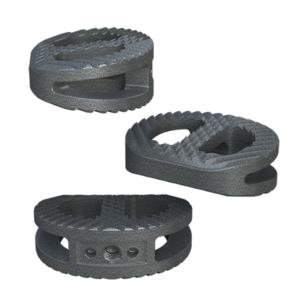 System Features
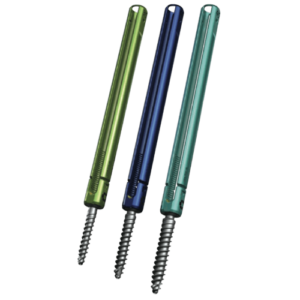 Key Features
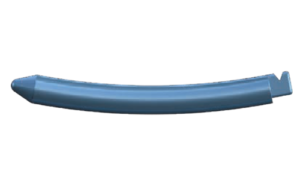 Key Features
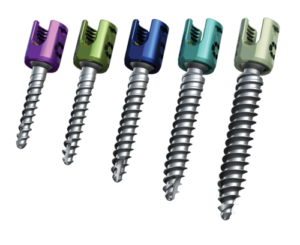 Key Features
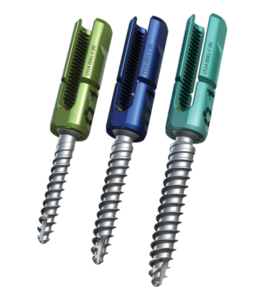 Key Features
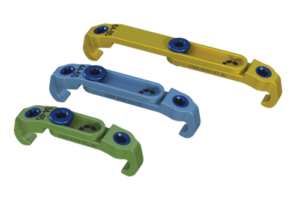 Key Features
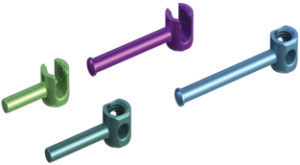 Key Features
 Key Features
 Key Features
 Key Features