| 1 | Regulatory readiness | Confirm the supplier can provide product formulas, ingredient information, safety assessment materials, and documentation needed for the intended sales market. | Cosmetic requirements differ by destination. Documentation and product compliance should be checked for each market and product. |
| 2 | Manufacturing quality system | Request current certificates, their scope and validity dates, plus written quality procedures and audit information. | A certificate should be verified with its issuer and checked against the actual facility and product scope. |
| 3 | Product development capability | Ask whether the supplier offers formula development, customization of existing formulas, or both, and clarify ownership and change-control terms. | Development options affect project timelines, customization, and rights to use or modify a formula. |
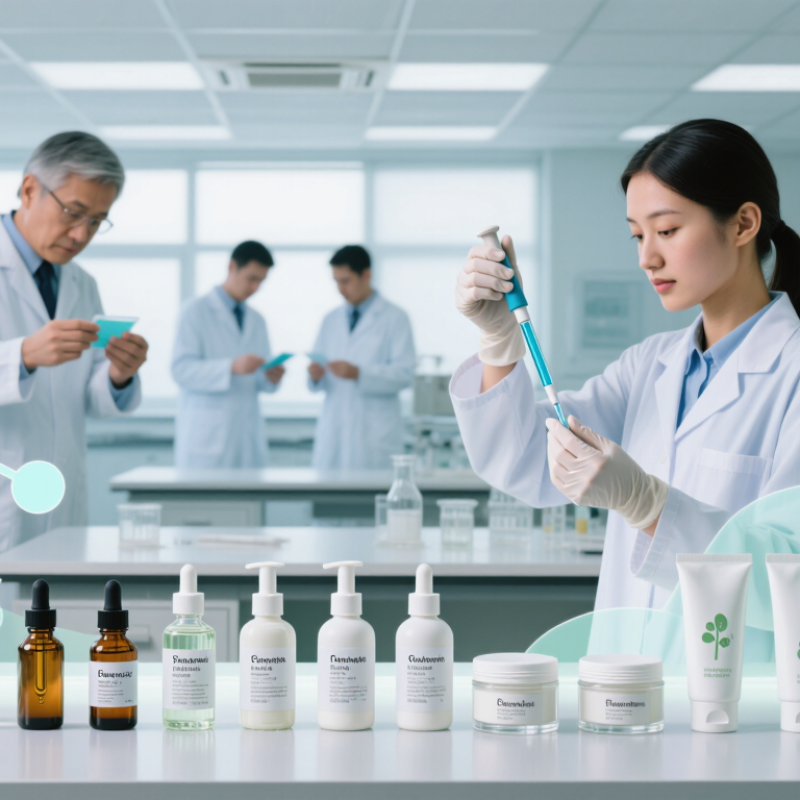
| 4 | Product-category fit | Review documented experience with the requested formats, such as creams, lotions, serums, cleansers, or masks. | Relevant process experience can help assess whether the facility and equipment suit the product brief. |
| 5 | Testing and product stability | Ask for the proposed testing plan, stability data, packaging compatibility assessment, and available microbiological testing records. | Testing helps evaluate product quality over time and compatibility between the formula and its packaging. |
| 6 | Ingredient traceability | Check how raw materials are approved, documented, sourced, and traced by batch, including the handling of supplier changes. | Traceable records support investigations and consistent control of incoming materials. |
| 7 | Minimum order quantity | Obtain written minimums for formula, packaging components, and finished goods, including any pilot or sampling quantities. | Minimums can vary by formula and packaging, so a single general figure may not represent the full project cost. |
| 8 | Packaging and filling capability | Confirm supported container types, filling formats, decoration options, component sourcing, and responsibility for packaging compatibility checks. | Packaging choices affect filling feasibility, product protection, appearance, and lead time. |
| 9 | Production planning and lead times | Request a project schedule covering sampling, revisions, material procurement, production, quality release, and shipment preparation. | Lead times depend on approvals, component availability, testing, and production scheduling; confirm them for each order. |
| 10 | Commercial terms and communication | Review quotations, payment terms, change-order procedures, quality agreements, and the named contacts responsible for the project. | Clear written terms help define responsibilities, manage changes, and reduce misunderstandings during production. |






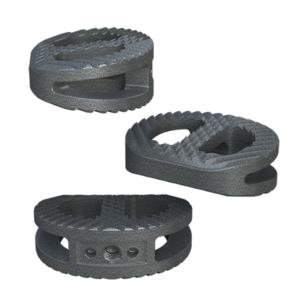 System Features
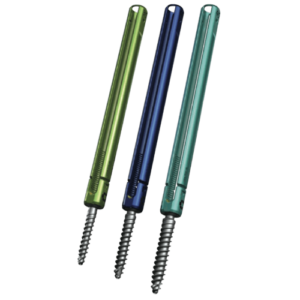 Key Features
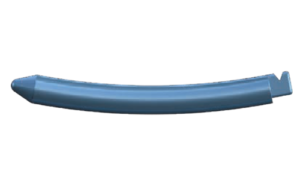 Key Features
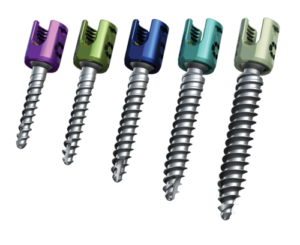 Key Features
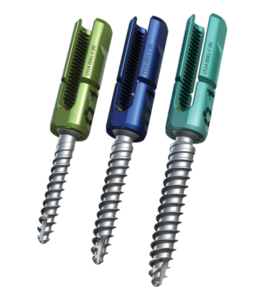 Key Features
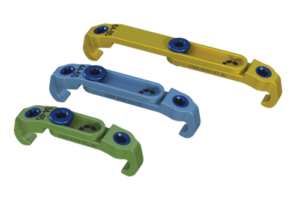 Key Features
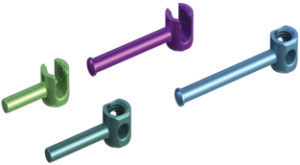 Key Features
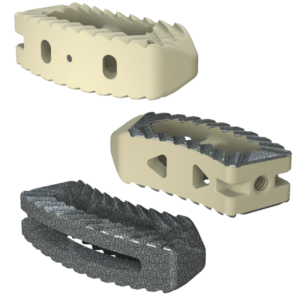
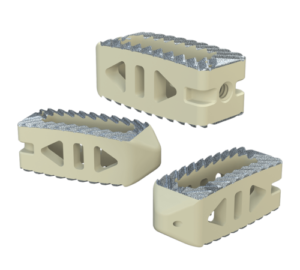
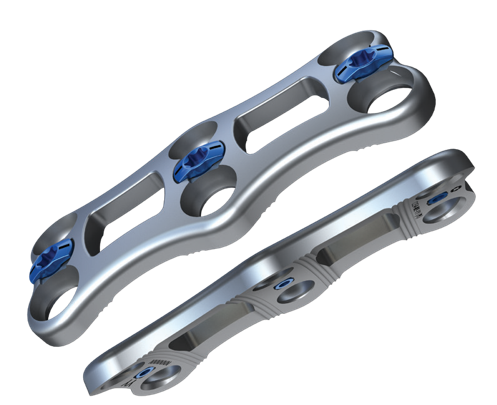
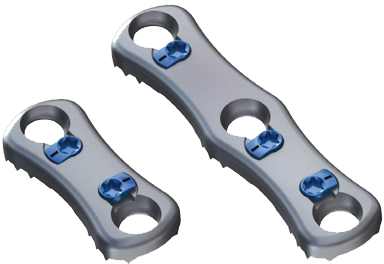
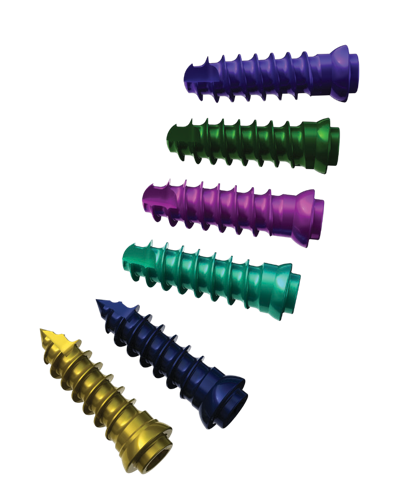
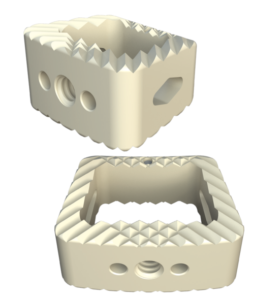 Key Features
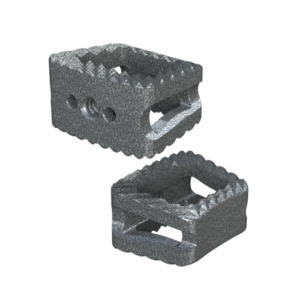 Key Features
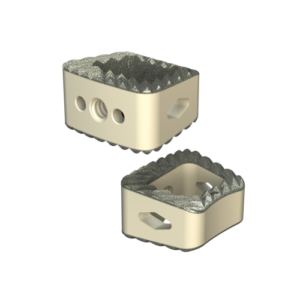 Key Features