| Vitamin B12 Identity | The specification should clearly identify the active form, such as cyanocobalamin or methylcobalamin, rather than using only the term “Vitamin B12.” | Certificate of analysis, raw-material specification, CAS number, assay method, and declared molecular form. | Different B12 forms have different chemical identities, stability profiles, and labeling requirements. |
| Chemical Assay | Use a validated quantitative method, commonly HPLC or another scientifically justified chromatographic method, with a defined acceptance range. | Test method, method validation summary, representative batch results, and laboratory equipment records. | Accurate potency is essential because Vitamin B12 is normally used at microgram-level amounts in finished products. |
| Identity Confirmation | Identity should be confirmed by a suitable orthogonal technique, such as UV-visible spectroscopy, HPLC retention time, or mass spectrometry. | Identity test results and comparison with an approved reference standard. | Helps prevent substitution, mislabeling, or the use of an incorrect cobalamin form. |
| Heavy Metals and Elemental Impurities | Control lead, arsenic, cadmium, mercury, and other relevant elemental impurities according to the destination-market requirements. | Periodic or batch-based ICP-MS/ICP-OES results, laboratory qualification, and documented limits. | Supports consumer safety and reduces contamination risks in supplements and cosmetic formulations. |
| Microbiological Quality | Microbial limits should be defined for the intended application, including total aerobic microbial count, yeast and mold, and specified pathogens where applicable. | Microbiological test reports, sampling plan, environmental monitoring program, and corrective-action records. | Important for oral supplements, gummies, powders, shampoos, and scalp-care formulations. |
| Manufacturing Quality System | Prefer a documented GMP-based quality system supported by applicable ISO 9001, ISO 22000, HACCP, or equivalent controls. | Current certificates, audit scope, expiration dates, quality manual, deviation management, CAPA, and change-control procedures. | A strong quality system improves batch consistency and traceability from raw material to shipment. |
| Raw-Material Traceability | Each lot should be traceable to incoming raw materials, production records, laboratory results, packaging, and dispatch documentation. | Lot-number system, supplier qualification records, batch manufacturing records, and mock-recall evidence. | Traceability enables faster investigation and recall if a quality issue occurs. |
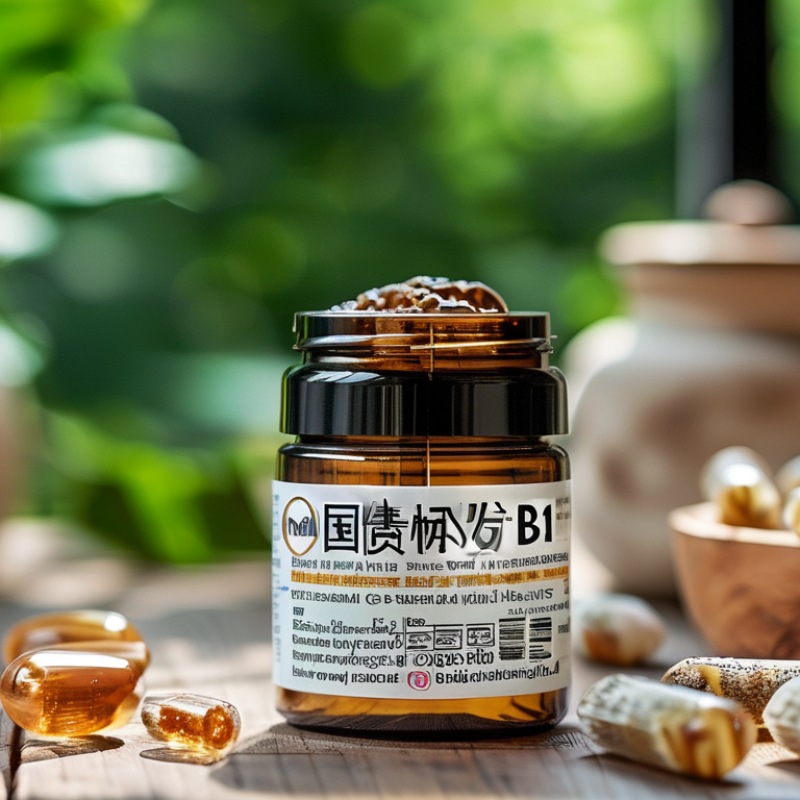
| Stability and Light Protection | Vitamin B12 should be evaluated for sensitivity to light, heat, moisture, oxygen, and formulation pH. | Accelerated and/or long-term stability data, recommended storage conditions, retest period, and packaging compatibility data. | Appropriate packaging and storage can help preserve potency during transport and shelf life. |
| Particle Size and Physical Properties | For powders, define particle-size distribution, bulk density, flowability, color, odor, and dispersibility where relevant. | Product specification, sieve or laser-diffraction data, appearance standards, and batch-to-batch comparison. | Consistent physical properties support uniform mixing and accurate dosing in hair supplements and topical products. |
| Formulation Compatibility | The supplier should provide compatibility guidance for excipients, minerals, botanical ingredients, preservatives, and the intended dosage form. | Technical data sheet, mixing instructions, pH guidance, pilot-batch support, and compatibility or stability studies. | Helps minimize discoloration, potency loss, sedimentation, or uneven distribution in finished products. |
| Documentation Package | A complete technical package should be available before purchase approval. | Specification sheet, SDS, COA, allergen statement, non-GMO statement where applicable, country-of-origin details, and packaging information. | Clear documentation supports import clearance, formulation review, labeling, and customer audits. |
| Regulatory and Labeling Support | The supplier should distinguish between food, dietary supplement, pharmaceutical, and cosmetic applications in the destination market. | Regulatory classification support, permitted-use information, label review assistance, and export documentation. | Hair-related claims must be supported and worded according to the rules of the target country or region. |
| Sampling and Pre-Shipment Testing | Approve a representative sample and define release tests before placing a commercial order. | Sample retention policy, pre-shipment COA, independent laboratory testing option, and agreed product-release criteria. | Reduces the risk of receiving material that differs from the approved sample. |
| Supply and Logistics Control | Use moisture-protective, light-protective packaging and define transport and storage conditions in the purchase specification. | Packaging configuration, temperature and humidity guidance, shelf-life policy, minimum order quantity, lead time, and delivery records. | Proper logistics help protect Vitamin B12 quality from manufacture through final formulation. |






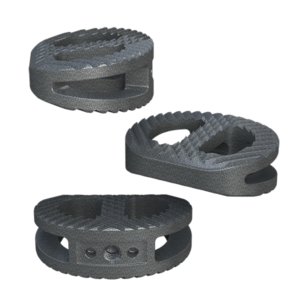 System Features
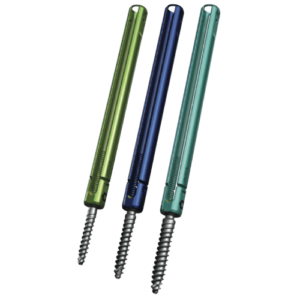 Key Features
 Key Features
 Key Features
 Key Features
 Key Features
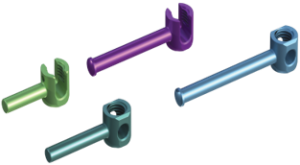 Key Features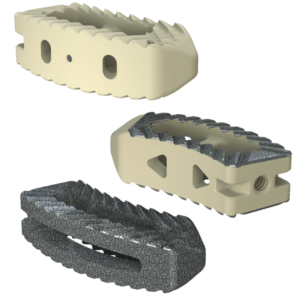
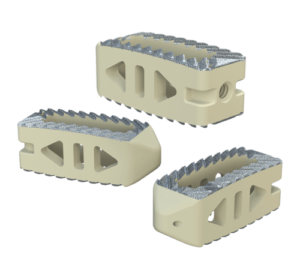

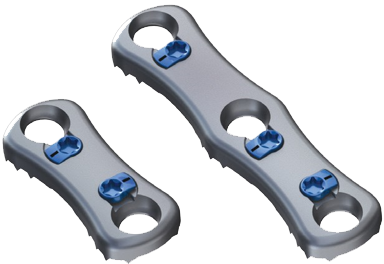

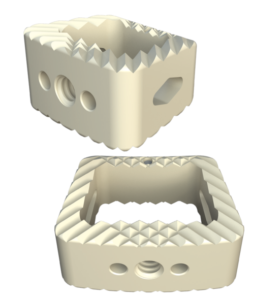 Key Features
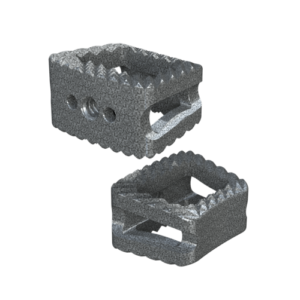 Key Features
 Key Features