| Documentation | Reusable-device processing instructions | Current manufacturer instructions covering point-of-use treatment, cleaning, inspection, packaging, sterilization, drying, storage, and transport. | Instructions are supplied for the exact screwdriver model, materials, and configuration. | Ready when verified | Incorrect processing parameters or incomplete reprocessing. |
| Documentation | ISO 17664-1 alignment | Instructions identify the device as reusable where applicable and provide validated or justified processing steps consistent with ISO 17664-1 principles. | Each processing step has defined equipment, chemicals, time, temperature, concentration, and limitations where relevant. | Review required | Instructions may not be sufficiently reproducible for clinical use. |
| Device Identification | Traceability of screwdriver components | Model number, size, drive interface, lot or batch reference, and material information for the shaft, handle, and detachable parts. | Identification remains legible after cleaning and sterilization and matches the supplied instructions. | Ready when verified | Wrong cycle or incompatible component may be selected. |
| Design | Cleanability of geometry | Assessment of knurling, recesses, joints, retaining features, internal channels, and any areas that can trap bioburden. | All surfaces can be reached by the specified manual or automated cleaning method. | Inspect closely | Residual soil can shield microorganisms during sterilization. |
| Cleaning | Point-of-use treatment | Defined maximum delay before cleaning, moisture-control method, and instructions for preventing blood or tissue from drying on the instrument. | Procedure is practical for the intended dental workflow and does not conflict with the cleaning agent instructions. | Confirm in IFU | Dried soil is more difficult to remove and may compromise sterilization. |
| Cleaning | Manual cleaning parameters | Brush type and size, water quality, detergent identity or required characteristics, concentration, temperature, contact time, rinsing, and drying method. | All parameters are measurable and operators can reproduce them consistently. | Confirm in IFU | Uncontrolled cleaning results may leave visible or microscopic residue. |
| Cleaning | Ultrasonic or washer-disinfector compatibility | Clear statement on whether ultrasonic cleaning or automated washing is permitted, including loading position and cycle limitations. | Only validated or manufacturer-authorized equipment and settings are used. | Equipment-specific | Unsupported vibration, chemicals, or loading may damage the tool. |
| Inspection | Post-cleaning visual and functional inspection | Inspection criteria for soil, corrosion, cracks, deformation, worn drive geometry, loose components, and impaired engagement with the implant screw. | Defective or contaminated instruments are removed from service before packaging. | Required | Mechanical failure, poor torque transfer, or contamination may occur. |
| Packaging | Steam-sterilization packaging compatibility | Validated or compatible sterilization pouch, wrap, or container; correct size; adequate seal; and protection against puncture or excessive loading. | Packaging permits steam penetration and maintains sterility until point of use. | Required | Wet, damaged, or improperly sealed packs may not maintain sterility. |
| Sterilization | 134°C pre-vacuum steam cycle | Cycle record showing exposure at 134°C with the exposure time specified by the applicable device instructions and sterilizer validation. | Common reference cycles may use approximately 3–5 minutes at 134°C, but the device-specific IFU and sterilizer cycle must control. | Do not assume | Temperature alone does not prove adequate sterilization. |
| Sterilization | Steam penetration and air removal | Use of a suitable pre-vacuum cycle when required, with sterilizer monitoring and routine performance testing according to local procedures. | Cycle achieves the required temperature, pressure, exposure time, and drying phase without alarms. | Required | Trapped air can prevent steam contact with instrument surfaces. |
| Sterilization | Load configuration | Defined placement of screwdrivers, separation of dissimilar metals where necessary, avoidance of overloading, and correct orientation of hinged or hollow parts. | Steam can contact all exposed surfaces and packages are not compressed or stacked improperly. | Verify by load type | Restricted steam flow or wet packs can compromise the process. |
| Materials | Repeated 134°C exposure resistance | Material and coating information for stainless steel, engineering polymers, elastomers, adhesives, markings, and any surface treatment. | No unacceptable corrosion, discoloration, embrittlement, loss of markings, or dimensional change after the stated reprocessing exposure. | Evidence required | Premature wear or loss of identification may result. |
| Performance | Drive-interface integrity | Post-cycle inspection of the driver tip, connection interface, retention feature, and fit with the intended implant screw head. | No visible deformation, excessive play, rounding, or retention failure after repeated processing. | Required | Inadequate engagement can cause stripping or instrument breakage. |
| Performance | Torque-control statement | Clear distinction between a manual screwdriver and a torque-controlled driver; compatible torque limits or calibration requirements where applicable. | Users are not instructed to apply torque values beyond the instrument or implant-system limits. | Must be explicit | Over-torquing may damage the driver, screw, or implant connection. |
| Drying and Storage | Dryness and pack integrity | Drying-stage requirements, cooling period, storage conditions, and checks for wet packs, tears, punctures, or broken seals. | Only dry, intact, correctly labeled packs are released for storage or use. | Required | Moisture and packaging damage can undermine sterility maintenance. |
| Validation | Reprocessing-life or reuse limitation | Defined maximum number of processing cycles or objective replacement criteria based on wear, damage, corrosion, or performance. | Replacement criteria are documented and can be applied during routine inspection. | Request evidence | Repeated processing may reduce mechanical reliability. |
| Quality Records | Batch and sterilizer traceability | Records linking device or tray identification to cleaning, packaging, sterilizer cycle, operator, date, and release decision. | Records are retained according to the facility’s quality system and applicable local requirements. | Required | Recalls, investigations, and process verification become difficult. |
| Supplier Audit | Change-control notification | Procedure for notifying customers of changes to materials, coatings, dimensions, manufacturing process, packaging, or processing instructions. | Changes trigger documented review of cleanability, sterilization compatibility, and performance. | Request procedure | Previously accepted reprocessing evidence may no longer apply. |






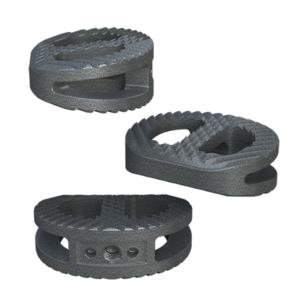 System Features
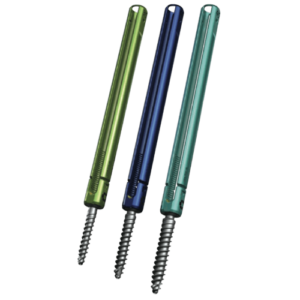 Key Features
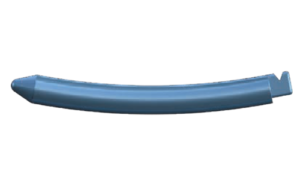 Key Features
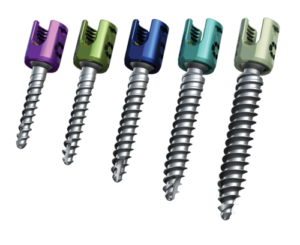 Key Features
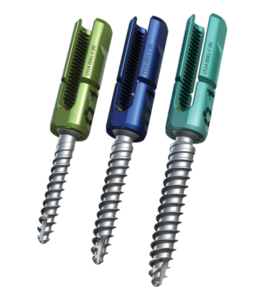 Key Features
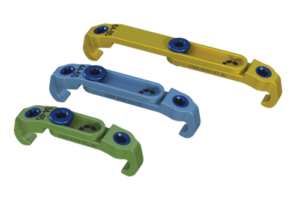 Key Features
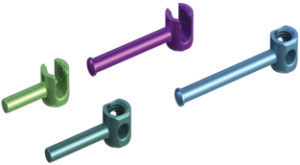 Key Features
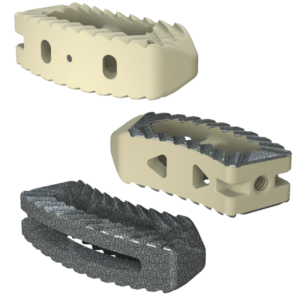
 Key Features
 Key Features
 Key Features