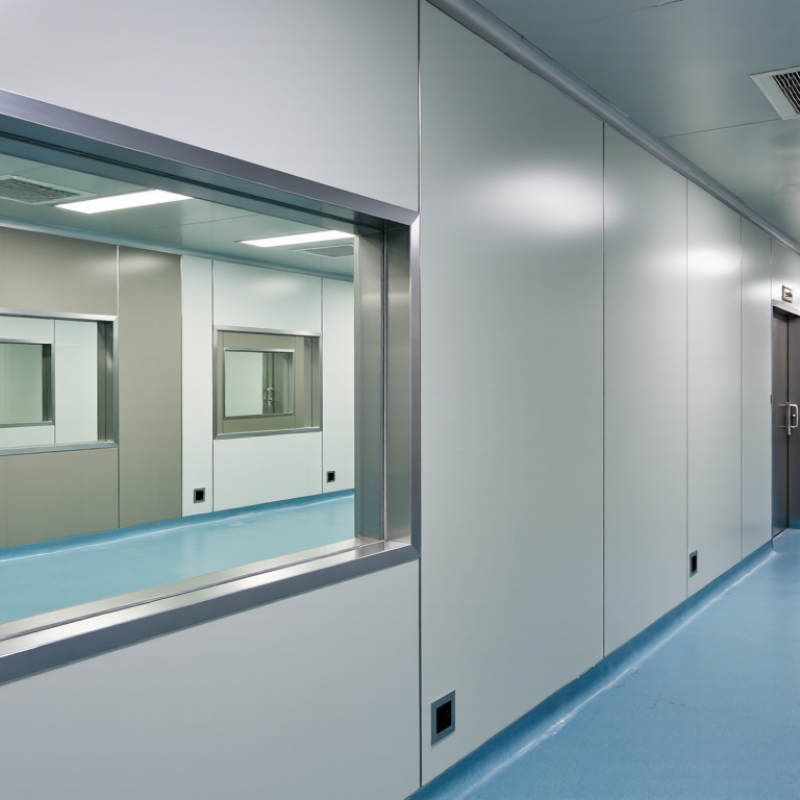
| Definition | A cleanroom window is a glazed panel designed for installation in a cleanroom wall or partition. It provides visibility while helping maintain the room’s cleanable, sealed interior surface. | Fixed viewing panels are common; the complete wall assembly and installation determine how the opening is sealed. |
| Common Construction | Many cleanroom windows use two panes of glass separated by a sealed cavity, with the assembly fitted into a frame or wall opening. | Construction varies by project. Confirm pane arrangement, cavity sealing, frame design, and compatibility with the wall system. |
| Glazing Materials | Tempered glass and laminated glass are commonly considered for interior viewing panels. The appropriate choice depends on safety, impact, and operational requirements. | Specify glass type and thickness based on applicable building codes, risk assessment, and project requirements. |
| Frame and Finish | Frames may be made from materials such as aluminum or stainless steel and can have smooth finishes intended to support routine cleaning. | Check corrosion resistance, cleaning-chemical compatibility, edge details, and whether the frame is flush with the surrounding wall. |
| Flush or Recessed Installation | A flush installation aligns the window surface with the wall surface, which can reduce ledges where dust or residue may collect. | Confirm dimensions, wall thickness, trim details, and the method used to seal the perimeter. |
| Sealing and Cleanability | Perimeter joints and exposed surfaces should be designed to support the facility’s cleaning procedures and help prevent unwanted gaps. | Review compatible sealants, joint geometry, access for inspection, and the facility’s cleaning and disinfection agents. |
| Visibility and Light | Window size, glass clarity, coatings, and lighting conditions affect visibility between spaces. | Consider glare, privacy needs, viewing angles, and whether the window is positioned for safe observation. |
| Thermal and Acoustic Needs | Glazing configuration can influence heat transfer and sound transmission, but performance depends on the complete product assembly. | Request documented performance data when thermal comfort, condensation control, or noise reduction is important. |
| Pressure and Room Classification | A window alone does not establish a room’s cleanliness classification or pressure performance. These depend on the overall facility design and verified operation. | Coordinate window selection with the cleanroom designer, wall system, HVAC design, and project validation requirements. |
| Typical Applications | Cleanroom windows are used where visual supervision or communication is needed between controlled spaces. | Examples include pharmaceutical production areas, laboratories, medical-device manufacturing, and electronics facilities. |
| Selection Checklist | Selection should be based on the room’s operating conditions, wall construction, safety requirements, and maintenance practices. | Confirm opening size, glazing specification, frame material, installation details, cleaning compatibility, and required documentation. |







 System Features
 Key Features
 Key Features
 Key Features
 Key Features
 Key Features
 Key Features


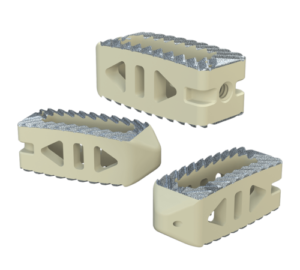



 Key Features
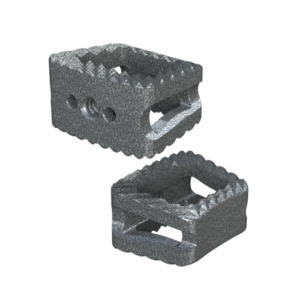 Key Features
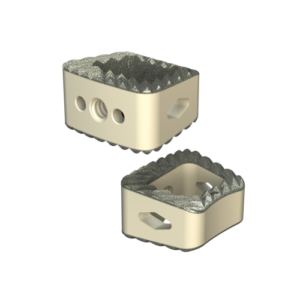 Key Features