| Organism and identity | Chaga is the common name for the fungus Inonotus obliquus. The dark, hardened growth sold as chaga is a fungal structure that develops on living trees. | Correct identification is essential because appearance alone is not a dependable way to authenticate a powdered product. | Look for the Latin species name, traceable raw-material documentation, and identity testing appropriate to the product. |
| Natural range and host trees | Chaga is associated with cold and boreal regions of the Northern Hemisphere and is commonly found growing on birch. Its occurrence depends on suitable hosts and local forest conditions. | Interest in wild-harvested ingredients can connect distant consumers with forest-based supply areas. | Request the country or region of harvest and, where available, the host-tree and collection-area details. Do not treat “northern” or “wild” as proof of quality. |
| Reasons for consumer interest | Chaga is sold as a food or dietary-supplement ingredient, often in powders and extracts. Traditional use and laboratory research contribute to interest, but these do not establish that chaga prevents or treats disease in people. | Demand can reflect interest in functional foods and mushroom products, while health claims may go beyond what human clinical evidence supports. | Prefer clear, non-misleading labeling. Be cautious of products promising cures or guaranteed medical outcomes. |
| Wild-harvest supply | Commercial chaga is commonly sourced from wild fungal growths. Availability can vary with location, forest conditions, access, and harvesting practices; a reliable, universal global supply figure is not established here. | A supply chain dependent on natural collection may be less predictable than one based on standardized agricultural production. | Ask suppliers to document harvest locations, collection practices, and chain of custody. Avoid assuming that wild harvesting is automatically sustainable. |
| Sustainability considerations | Chaga grows on living host trees, so harvesting practices and local regeneration matter. Sustainability depends on site-specific collection pressure and forest management; a single universal harvest rule cannot be inferred for every region. | Unmanaged collection may create ecological or resource risks, especially where demand grows faster than local oversight and replenishment. | Seek evidence of legal access, responsible collection protocols, and monitoring. Favor suppliers that disclose how they assess impacts on host trees and local supply. |
| Powder processing and consistency | Powder characteristics depend on the material used and on processing, including drying and milling. Products sold as powders and extracts are not necessarily equivalent in composition or concentration. | Differences in raw material and processing can make comparisons between products difficult. | Check whether the label identifies powder versus extract, lists processing details, and provides batch-specific specifications rather than relying on appearance alone. |
| Contaminant testing | As with other plant- and fungus-derived ingredients, the quality of a particular batch cannot be confirmed by appearance. Testing needs depend on the material, origin, and applicable food-safety rules. | Testing helps assess whether a batch meets relevant safety and quality specifications. | Request a recent certificate of analysis for the specific batch, including relevant microbiological and chemical contaminant results, and confirm that testing was performed by a qualified laboratory. |
| Safety and oxalates | Published medical case reports have described oxalate-related kidney injury associated with high or prolonged chaga supplement use. Case reports do not establish how often this occurs, but they identify a potential safety concern. | People with kidney conditions or a history of kidney stones may need particular caution; supplements can also be unsuitable alongside some medicines or health conditions. | Do not use chaga as a substitute for medical care. Consult a healthcare professional before use, especially with kidney disease, pregnancy, regular medication, or long-term use. |
| Market-data transparency | Publicly comparable figures for worldwide chaga-powder demand, harvest volume, and market share are not consistently available from a single authoritative source. | Unverified market-size claims can create a misleading impression of demand or supply certainty. | Treat market estimates as estimates unless their date, scope, methodology, and underlying data are clearly disclosed. |





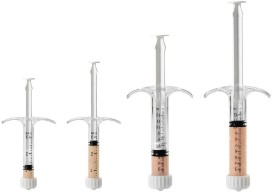
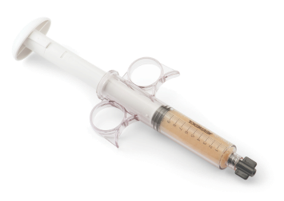


 System Features
 Key Features
 Key Features
 Key Features
 Key Features
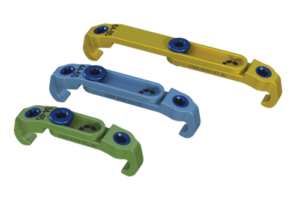 Key Features
 Key Features









 Key Features
 Key Features
 Key Features