| 1Confirm the botanical identity | Verify that the material is identified as Inonotus obliquus and that the declared plant part is consistent with the product specification. | Product specification Certificate of analysis (COA) Botanical identification report | Correct identification reduces the risk of substitution, mislabeling, or use of an unsuitable fungus species. | Check the scientific name, test method, sample reference, laboratory date, and agreement between the COA and the lot number. | High |
| 2Review food-safety controls | Assess whether the processor operates under a documented food-safety system suitable for the intended market and product category. | HACCP plan or certificate GFSI-recognized certification, if applicable Manufacturing audit report | Food-safety controls address hazards such as contamination, poor hygiene, incorrect processing, and inadequate traceability. | Confirm the certificate scope, facility address, validity period, audit status, and whether powder processing is covered. | High |
| 3Request complete contaminant testing | Ask for current lot-specific results for microbiological hazards, heavy metals, pesticides, and other contaminants required by the destination market. | Lot-specific COA Accredited laboratory report Pesticide residue report Heavy-metal report | Chaga is a natural product and may be affected by environmental contamination, harvesting conditions, drying, or storage. | Check test dates, analytical methods, units, detection limits, specification limits, and whether results are reported for the shipped lot. | High |
| 4Verify organic claims only when needed | If the product is marketed as organic, confirm that the certification covers the relevant product, facility, handling process, and transaction. | Valid organic certificate Transaction certificate, where required Organic handling records | Organic status is not established merely by describing the product as wild-harvested or natural. | Check the certifier, certificate number, scope, expiration date, production site, and destination-country organic requirements. | Medium to High |
| 5Establish legal harvest and traceability | For wild-harvested material, request evidence showing where and when the chaga was collected and how it moved through the supply chain. | Traceability statement Harvest records Chain-of-custody records Supplier declaration | Traceability supports responsible sourcing, recall readiness, and compliance with local harvesting and conservation rules. | Check harvest region, collection dates, batch coding, quantity reconciliation, and links between raw material and finished powder. | High |
| 6Prepare the import document set | Before shipment, align the commercial, transport, customs, and product documents with the destination country’s rules. | Commercial invoice Packing list Bill of lading or air waybill Certificate of origin Import permit, if required Health or phytosanitary document, if required | Incomplete or inconsistent import documents can cause customs holds, additional inspection, relabeling, or return of goods. | Confirm the tariff classification with a customs professional, match quantities and lot numbers across documents, and check whether the product is treated as food, supplement, or botanical material. | High |
| 7Check labeling, packaging, and shelf life | Ensure the label and packaging meet the destination market’s requirements for ingredients, net weight, lot code, storage, origin, allergens, and responsible party information. | Final label artwork Packaging specification Shelf-life or stability report Storage and transport instructions | Correct labeling and suitable packaging help protect product quality and support legal sale after importation. | Check moisture protection, food-contact suitability, seal integrity, remaining shelf life at arrival, language rules, and whether health claims are permitted. | High |






 System Features
 Key Features
 Key Features
 Key Features
 Key Features
 Key Features
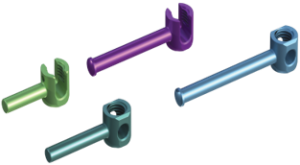 Key Features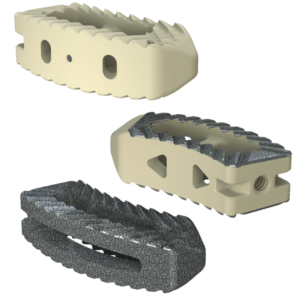
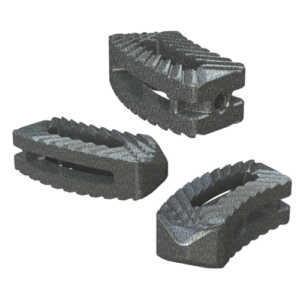

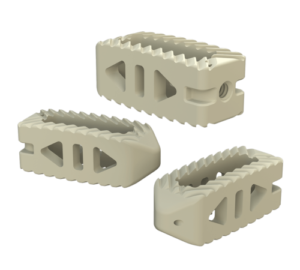
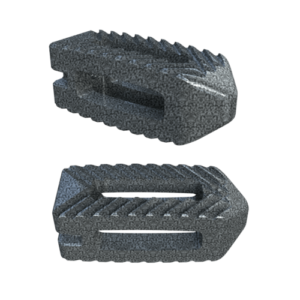
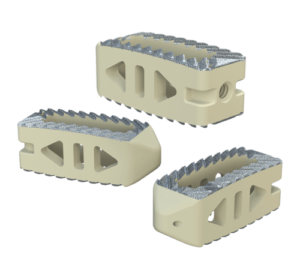



 Key Features
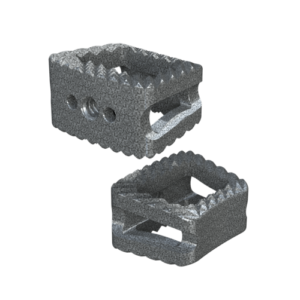 Key Features
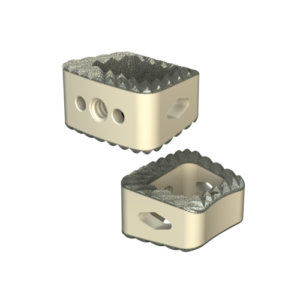 Key Features