A useful burn model starts with cash movements, not accounting profit. For each month, list opening cash, customer receipts, payroll, rent, software, taxes, and other payments. Net burn equals cash outflows minus cash inflows. Keep one-time costs separate from recurring expenses. That matters. A large equipment payment can distort a single month’s rate.
Carry the ending cash balance into the next month: opening cash plus receipts, minus outflows. Then estimate runway by dividing available cash by average monthly net burn.
If the business holds $420,000 and burns $60,000 monthly, the simple estimate is seven months.
But cash rarely moves evenly. A delayed invoice or annual insurance bill can change the picture quickly.
Build a month-by-month forecast for at least a year, and mark assumptions beside the numbers. Use realistic collection dates, not just invoice dates. Compare actual results with the forecast every month; investigate gaps instead of quietly adjusting them away.
I’ve found that a model can look precise while relying on rough guesses. Keep it visible. Test a slower-sales case and a higher-cost case, then note which expenses can truly be reduced. Runway is an estimate, not a promise, so refresh it when hiring plans or customer payments change.







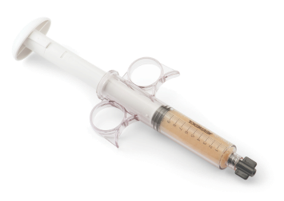
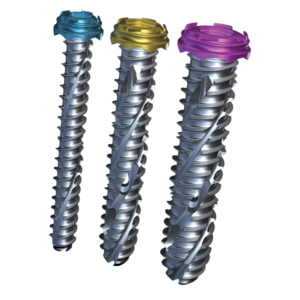

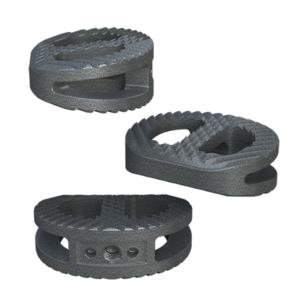 System Features
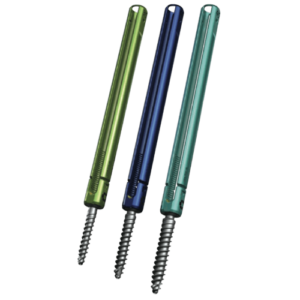 Key Features
 Key Features
 Key Features
 Key Features
 Key Features
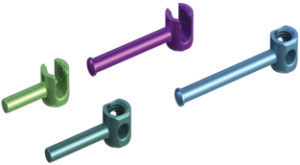 Key Features
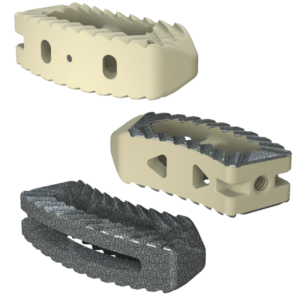
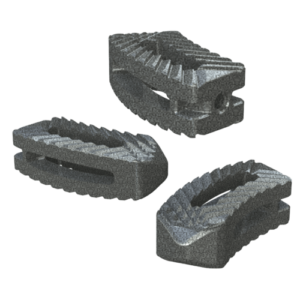
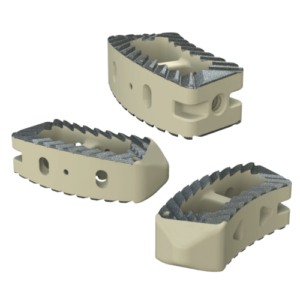
 Key Features
 Key Features
 Key Features