| Protected 18650 Lithium-Ion Cell | Removable cylindrical cell; approximately 18 × 65 mm | 3.6–3.7 V nominal; 4.2 V when fully charged | 2,000–3,500 mAh | 10–20 A, depending on cell design and temperature | Approximately US$2.00–US$5.00 per cell in larger quantities | Compact regulated devices and replaceable-battery vaporizers | Request capacity, discharge rating, cycle-life data, insulation quality, protection-circuit details, and UN 38.3 test documentation. | Usually treated as a lithium-ion battery under dangerous-goods rules. Air shipments may require approved packaging, a state-of-charge limit, battery marks, and a shipper declaration depending on configuration and transport route. | Good balance of availability, size, cost, and established supply-chain support. |
| Protected 21700 Lithium-Ion Cell | Removable cylindrical cell; approximately 21 × 70 mm | 3.6–3.7 V nominal; 4.2 V when fully charged | 4,000–5,000 mAh | 15–30 A, depending on the cell model and operating conditions | Approximately US$3.00–US$7.00 per cell in larger quantities | High-capacity devices that can accommodate a larger battery compartment | Confirm actual measured capacity rather than marketing capacity, maximum continuous current, thermal performance, protection design, and compatibility with the device. | Subject to the same general lithium-ion transport controls as other rechargeable cells. Larger battery capacity can increase package energy and may affect air-carrier acceptance and documentation. | Often the strongest choice for runtime and current capability when the device is designed for this larger format. |
| Lithium-Ion Polymer Pouch Battery | Custom flat pouch with welded tabs or lead wires | 3.7 V nominal; 4.2 V when fully charged | 500–3,000 mAh for many compact devices | Approximately 5–30 A, depending on construction and specifications | Approximately US$1.50–US$6.00 per battery, excluding tooling and custom assembly | Slim pod systems, compact rechargeable devices, and custom-shaped products | Require cell drawings, dimensions, connector or wire specifications, swelling controls, short-circuit protection, incoming inspection, and sample testing. | Normally shipped as lithium-ion batteries. Pouches need strong protection against crushing, puncture, terminal contact, and accidental activation. Custom battery packs may require additional transport and product documentation. | Best for space-efficient designs, but more sensitive to mechanical damage and manufacturing-quality variation. |
| Built-In Rechargeable Lithium-Ion Battery Pack | Battery permanently installed inside the device | 3.7 V nominal for a single-cell design; higher for multi-cell packs | 400–3,000 mAh for many consumer devices | Defined by the integrated battery-management system and device electronics | Approximately US$2.00–US$10.00 per finished device battery assembly | Closed or semi-closed rechargeable devices where user replacement is not required | Verify charging protection, over-current protection, over-discharge protection, thermal protection, USB charging safety, cycle life, and enclosure integrity. | Often classified as lithium-ion batteries contained in equipment. This can simplify handling compared with loose cells, but transport rules, package limits, labeling, and carrier restrictions still apply. | Convenient and tamper-resistant, with fewer loose-cell handling issues; replacement and end-of-life servicing are less flexible. |
| Primary Lithium Battery | Non-rechargeable cylindrical or pouch cell | Commonly 3.0 V or 3.6 V nominal, depending on chemistry | Varies by chemistry and format | Usually lower suitability for repeated high-current use | Approximately US$1.00–US$5.00 per cell in bulk | Generally unsuitable for rechargeable vaping products | Supplier must clearly identify the chemistry and confirm that the battery is not being marketed for rechargeable use. | May be regulated as a lithium-metal or other dangerous-goods battery. Air transport restrictions can be more stringent than for rechargeable lithium-ion cells. | Generally not recommended for rechargeable vape products because charging can create a serious safety hazard. |




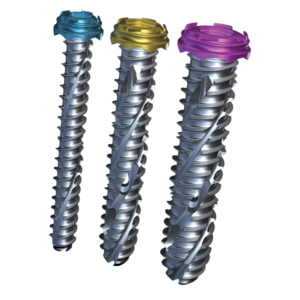

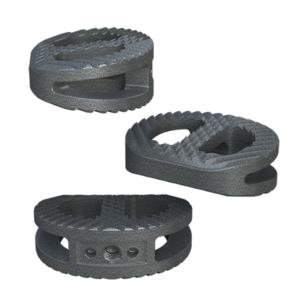 System Features
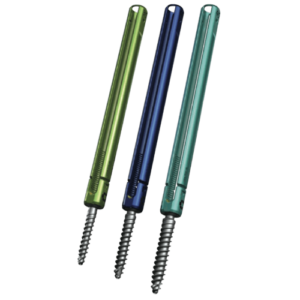 Key Features
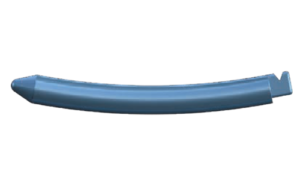 Key Features
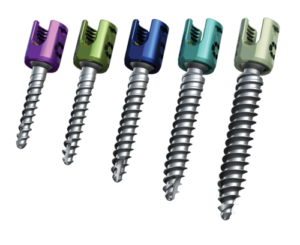 Key Features
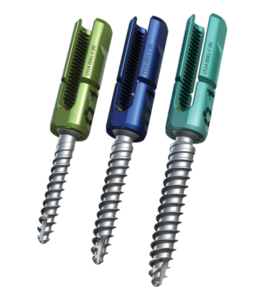 Key Features
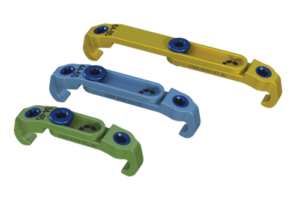 Key Features
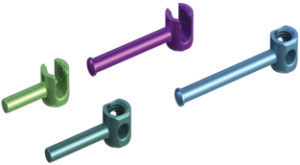 Key Features
 Key Features
 Key Features
 Key Features