| Botanical identity | Confirm the scientific name, plant part, and whether the material is a single-species extract. “Smoke tree” can refer to different plants, so the common name alone is not sufficient for procurement. | Product specification identifying the botanical name and plant part; batch documents and traceability records consistent with that specification. | Check that the botanical identity and plant part match the intended use and are consistent across the specification, label, and batch documents. | Supplier A: ______
Supplier B: ______ |
| Extract composition | Compare the declared extract ratio, carrier or excipient content, and any stated marker compounds. Smoke tree extract does not have one universal commercial composition or standard assay specification. | Product specification with units, test method, acceptance limits, and a clear distinction between native extract and finished extract powder. | Do not compare assay percentages unless the analyte, method, and basis of calculation are equivalent. | Supplier A: ______
Supplier B: ______ |
| Batch testing and COA | Review batch-specific test results, methods, limits, and reporting units for the parameters relevant to the product’s intended use. | A certificate of analysis (COA) linked to a lot number, with test methods and results; ask whether testing is performed in-house or by an external laboratory. | Check that the COA is for the offered lot and that its results meet the agreed specification. A COA is not, by itself, proof of independent verification. | Supplier A: ______
Supplier B: ______ |
| Contaminant controls | Compare controls for contaminants relevant to the botanical, manufacturing process, destination market, and intended application. Requirements can vary by jurisdiction and product category. | Risk-based test plan and relevant batch results, such as heavy metals, pesticide residues, microbiological quality, or residual solvents when applicable. | Agree on methods and acceptance limits before ordering; verify that the limits are suitable for the destination market and intended use. | Supplier A: ______
Supplier B: ______ |
| Manufacturing and quality system | Assess process controls, change control, document management, and the quality system used at the manufacturing site. | Current quality-system certificates where applicable, audit information, manufacturing-site details, and written procedures for handling deviations and complaints. | Confirm the certificate’s scope, site, and validity. Certification alone does not establish that a specific batch meets your product requirements. | Supplier A: ______
Supplier B: ______ |
| Traceability and sourcing | Compare the supplier’s ability to trace raw material to its source and maintain lot-level records through processing. | Raw-material origin information, lot coding, supplier controls, and traceability or recall procedures. | Ask the supplier to explain how an incoming botanical lot is linked to the finished extract lot. | Supplier A: ______
Supplier B: ______ |
| Regulatory documentation | Check whether the documentation supports the intended product category and destination market. Regulatory status depends on use, claims, composition, and local rules. | Available product and safety documentation, ingredient statements, applicable declarations, and market-specific information relevant to the proposed use. | Have the importer or qualified regulatory adviser verify market requirements; do not assume a document for one region applies globally. | Supplier A: ______
Supplier B: ______ |
| Stability and packaging | Compare shelf-life support, storage conditions, packaging material, and protection from moisture, light, or other relevant environmental factors. | Stability or shelf-life rationale, recommended storage conditions, packaging specification, and expiry or retest-date policy. | Check that the proposed packaging and storage instructions suit your shipping route and warehouse conditions. | Supplier A: ______
Supplier B: ______ |
| Supply capability | Compare available sample quantities, minimum order quantity, lead time, production capacity, and continuity planning. | Written quotation, sample availability, typical lead time, order terms, and information on how supply interruptions are managed. | Confirm timelines and quantities in writing; distinguish routine lead times from sample or trial-order lead times. | Supplier A: ______
Supplier B: ______ |
| Commercial and shipping terms | Compare quoted price on the same basis, including grade, specification, quantity, packaging, currency, and delivery terms. | Formal quotation stating price validity, payment terms, shipping terms, packaging, and any additional charges. | Compare like-for-like offers and clarify responsibility for freight, insurance, customs clearance, and duties. | Supplier A: ______
Supplier B: ______ |
| Communication and issue handling | Assess response quality, document accuracy, technical support, and the process for investigating out-of-specification results or complaints. | Named quality and commercial contacts, written complaint procedure, and examples of the supplier’s document-control process. | Evaluate whether answers are specific, consistent, and supported by controlled documents rather than informal assurances alone. | Supplier A: ______
Supplier B: ______ |





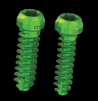
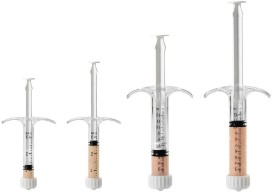
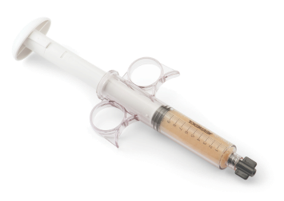
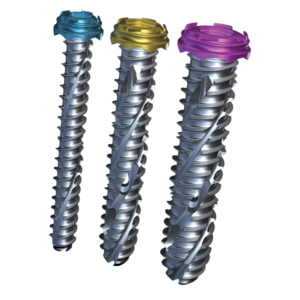

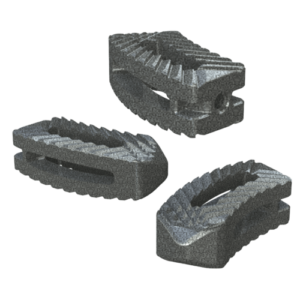
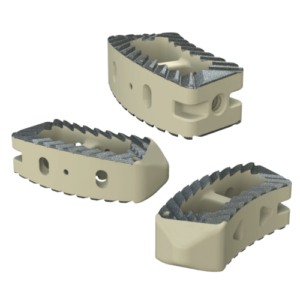
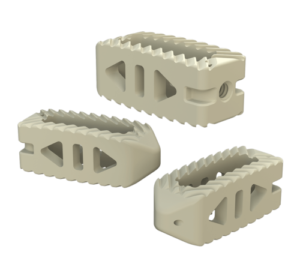
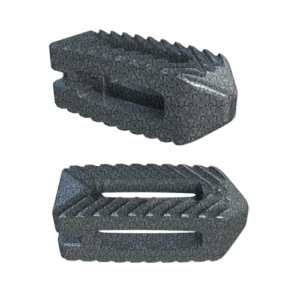
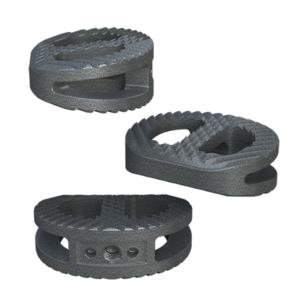 System Features
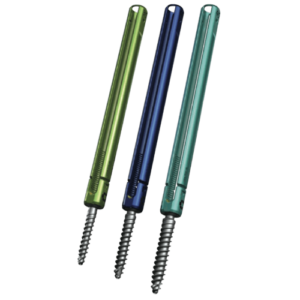 Key Features
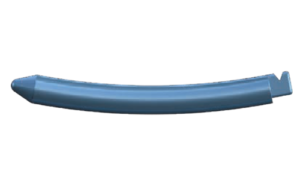 Key Features
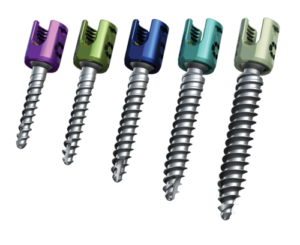 Key Features
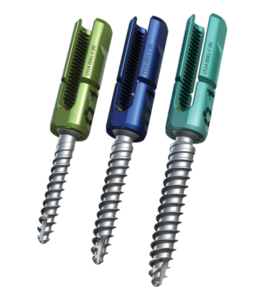 Key Features
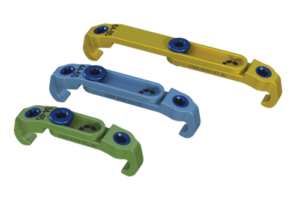 Key Features
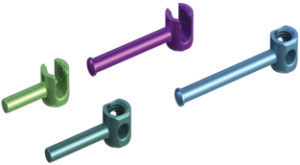 Key Features
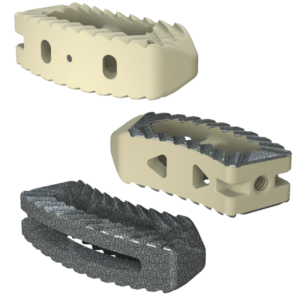
 Key Features
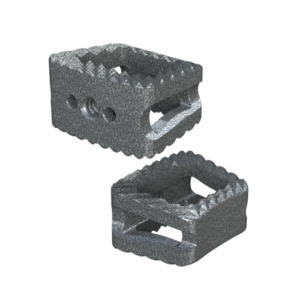 Key Features
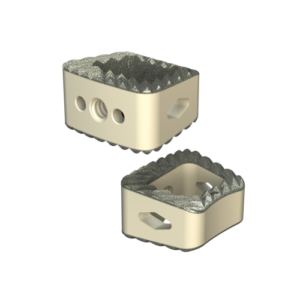 Key Features