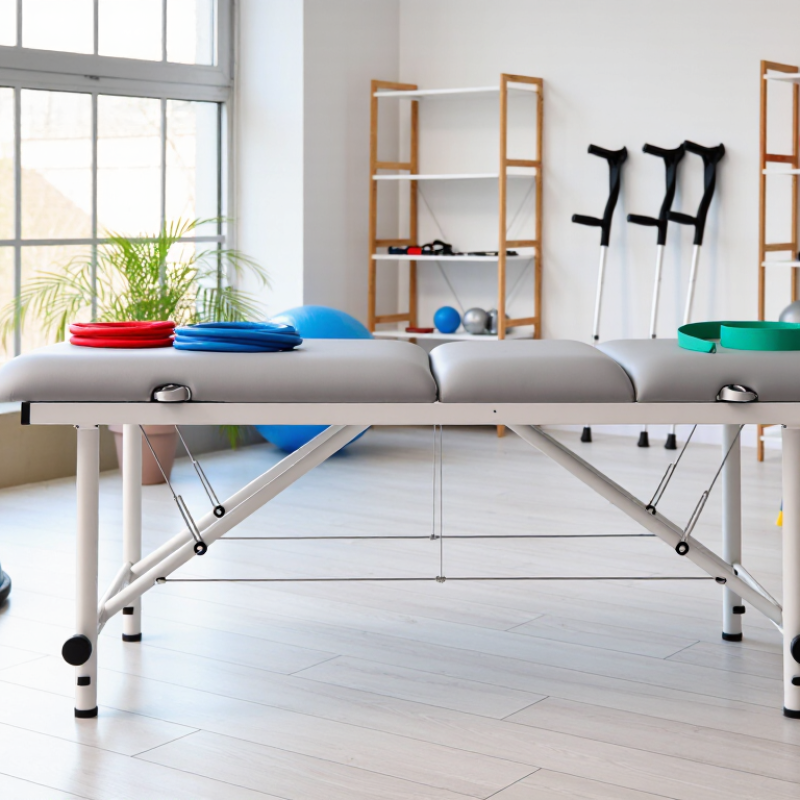
| Adjustable treatment plinth | Support positioning, hands-on assessment, assisted movement, and exercise. | Patients who need a stable surface for examination or supported treatment, including those with limited mobility. | Choose an adjustable height and suitable access features based on the clinic’s patient population and treatment methods. | Check weight capacity, stability, transfer access, and cleaning requirements. Use appropriate assistance for transfers. |
| Resistance bands and tubing | Provide adjustable resistance for strengthening and movement-control exercises. | Patients who need portable, graded resistance or exercise options that can be adapted to different ability levels. | Offer varied resistance levels and select exercises according to the patient’s strength, control, and treatment plan. | Inspect regularly for wear or damage. Teach safe anchoring and controlled movement; bands are not suitable for every exercise or patient. |
| Free weights and dumbbells | Support progressive resistance exercises for upper- and lower-limb strength. | Patients able to perform loaded movements with appropriate technique and supervision. | Stock a practical range of loads so therapists can adjust resistance to the exercise and the patient’s current capacity. | Provide clear storage and handling procedures. Monitor lifting technique and select loads appropriate to the individual. |
| Balance pad or wobble board | Provide a less stable surface for balance, coordination, and movement-control practice. | Selected patients working on balance or lower-limb control who can safely attempt the activity. | Match surface stability and task difficulty to the patient’s assessed balance and ability to follow instructions. | Use a clear area and suitable guarding or support. Begin with safer, more stable tasks when fall risk is a concern. |
| Stationary exercise cycle | Support repeated lower-limb movement and cardiovascular conditioning. | Patients who can use a cycle safely and benefit from adjustable, low-impact exercise. | Consider seat and handlebar adjustment, step-through access, resistance settings, and the patient’s exercise tolerance. | Check safe mounting and dismounting, fit, and equipment condition. Set exercise intensity according to clinical assessment. |
| Treadmill | Support gait practice, walking endurance, and graded walking exercise. | Patients who can walk safely on a moving belt, with assistance or safety features where appropriate. | Assess walking ability, balance, speed tolerance, and need for supervision before selecting treadmill-based practice. | Use accessible controls and an emergency stop. Provide close supervision when indicated and keep the surrounding area clear. |
| Parallel bars | Provide hand support for standing, balance tasks, and early gait practice. | Patients who need stable external support while practising upright movement or walking steps. | Match bar height and spacing to the patient and the intended task; use therapist assistance based on assessed needs. | Ensure secure installation, adequate clear space, and safe entry and exit. Bars support practice but do not replace supervision. |
| Electrical stimulation unit | Deliver electrical stimulation for selected clinical applications, such as muscle activation or pain management. | Patients for whom a qualified clinician has identified an appropriate indication and checked relevant precautions. | Choose a device with controls and treatment options suited to the clinic’s intended applications and staff training. | Screen for contraindications and precautions, follow the device instructions, and check skin and electrode placement as appropriate. |
| Therapeutic ultrasound unit | Deliver ultrasound energy as an adjunct modality in selected treatment plans. | Patients for whom a trained clinician considers the modality appropriate after assessment. | Base use on clinical rationale, treatment area, and patient-specific precautions rather than using the modality routinely. | Follow device guidance and professional standards. Screen the treatment area and relevant precautions before use. |
| Hot and cold therapy packs | Provide localized heat or cold as a comfort measure or adjunct to a broader care plan. | Selected patients who can safely tolerate temperature-based treatment and communicate discomfort. | Choose the type and application method according to the patient’s goals, skin condition, sensation, and clinical assessment. | Use a protective barrier and check the skin and sensation as appropriate. Avoid unsupervised application when the patient cannot report discomfort reliably. |




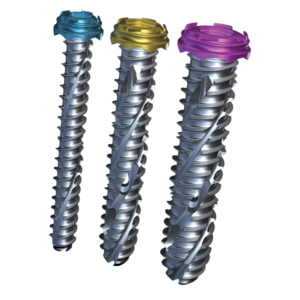

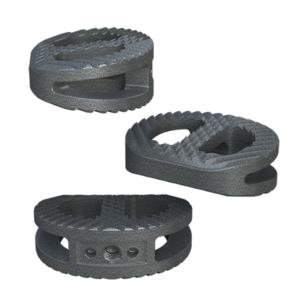 System Features
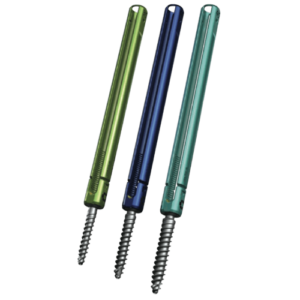 Key Features
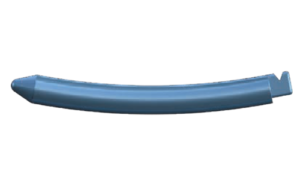 Key Features
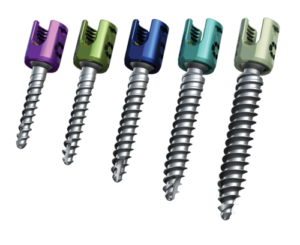 Key Features
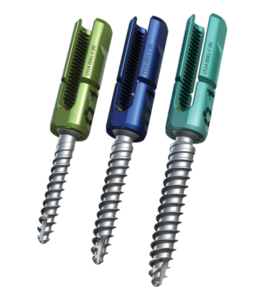 Key Features
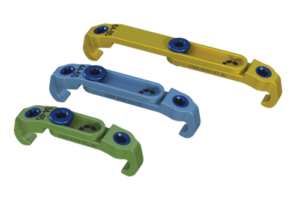 Key Features
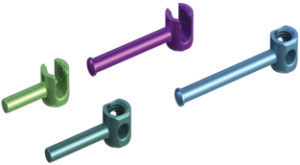 Key Features
 Key Features
 Key Features
 Key Features