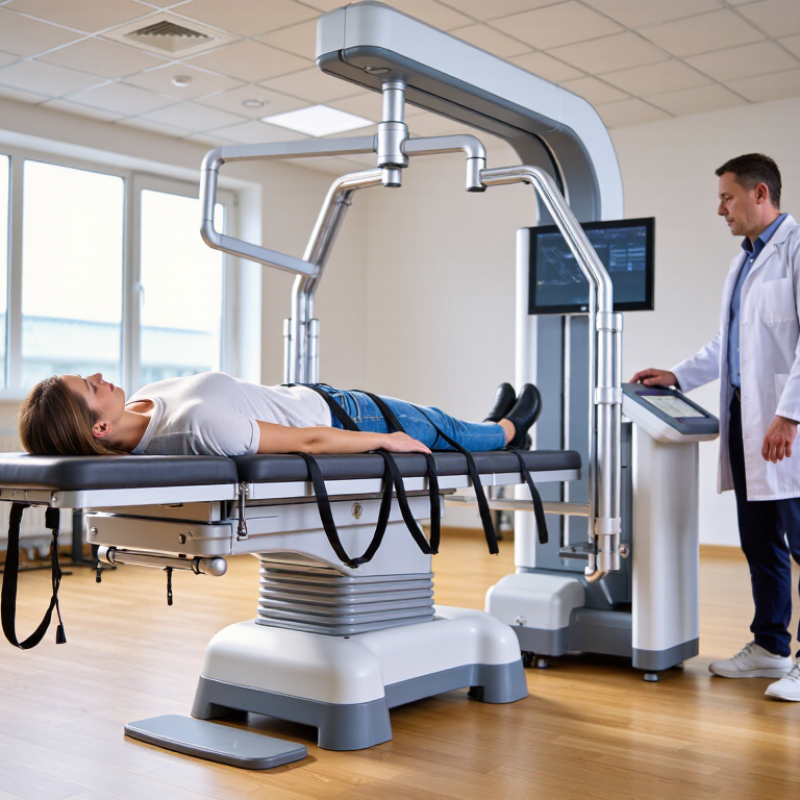
| Traction method | Mechanical traction | A motor applies a controlled pulling force through a pelvic harness while the patient lies on the table. | Used for supervised lumbar decompression or traction programs. | Force, duration, and treatment cycles can be adjusted and documented consistently. | The appropriate force and protocol vary by diagnosis, body size, symptoms, and clinician assessment. |
| Table movement | Split or sliding table | The table separates or moves in sections while traction is applied, helping create relative movement between the trunk and pelvis. | Often selected when controlled lumbar movement is desired during traction. | May reduce friction and allow smoother application of the pulling force. | More moving parts can increase maintenance requirements and may raise purchase and service costs. |
| Traction pattern | Intermittent traction | The pulling force alternates with periods of reduced force or relaxation. | Commonly used when a patient does not tolerate continuous pulling well. | Can be adjusted for comfort and may be easier to tolerate than a constant load. | Clinical response is variable, and symptom relief may be temporary. |
| Traction pattern | Static traction | A relatively steady pulling force is maintained for a selected period. | May be considered for carefully selected patients under professional supervision. | Simple treatment pattern with a consistent load. | May aggravate symptoms in some patients if the force, duration, or positioning is unsuitable. |
| Patient positioning | Supine positioning | The patient lies on the back while the pelvis is secured and the lumbar region is aligned with the treatment setup. | Useful when a stable, supported position is preferred. | Allows access to the abdomen and may be comfortable for many patients. | Some people with breathing difficulty, abdominal discomfort, or certain spinal conditions may not tolerate the position. |
| Patient positioning | Prone positioning | The patient lies face down while the pelvis and trunk are positioned for traction. | May be selected when prone positioning better matches the patient’s symptoms or treatment plan. | Can accommodate some extension-based treatment approaches. | May be unsuitable for patients with breathing problems, pregnancy-related discomfort, or difficulty lying face down. |
| Pelvic support | Adjustable pelvic harness | A padded belt transfers the traction force to the pelvis while helping stabilize the lower body. | Used in most mechanical lumbar traction setups. | Improves force transfer and allows adjustment for different body shapes. | A poorly fitted harness can cause pressure, discomfort, skin irritation, or ineffective force transmission. |
| Force control | Programmable force and treatment cycles | The control system sets the pulling force, hold time, rest time, and total treatment duration. | Useful when treatment needs to be reproduced across multiple visits. | Supports gradual progression and clearer treatment records. | Preset programs should not replace clinical judgment or symptom monitoring. |
| Patient comfort | Wide, padded table surface | Provides support for the trunk and pelvis while distributing contact pressure. | Important for longer sessions and patients with muscular tenderness. | May improve comfort and reduce pressure points during treatment. | Padding can compress over time and should be inspected for wear, cracking, or loss of support. |
| Adjustment range | Adjustable height and section angles | The table height, back section, or pelvic section can be modified to match the patient and treatment plan. | Useful in multidisciplinary clinics and for patients of different heights. | Improves access, positioning, and transfer safety. | More adjustment mechanisms require proper setup, staff training, and routine inspection. |
| Target condition | Mechanical low back pain with or without leg symptoms | Traction attempts to reduce compressive loading or alter mechanical stress around the lumbar spine. | May be considered as one component of a broader rehabilitation plan after assessment. | Some patients report short-term symptom relief or improved tolerance for movement. | Research findings are mixed, and traction is not uniformly effective for every type of low back pain. |
| Evidence and treatment planning | Adjunctive therapy rather than a stand-alone solution | Traction is commonly combined with exercise, education, manual therapy, activity modification, or other appropriate care. | Used when the clinician believes traction may support functional recovery. | Combining treatments addresses strength, mobility, posture, and daily activity limitations. | Routine use without reassessment may provide little benefit and can delay more appropriate care. |
| Safety screening | Pre-treatment medical assessment | A qualified professional reviews symptoms, medical history, neurological findings, and possible contraindications before treatment. | Required before selecting force, position, and treatment duration. | Helps identify patients who may need another treatment approach or medical referral. | Traction should not be self-prescribed for unexplained, severe, or rapidly worsening symptoms. |
| Warning signs | Progressive weakness, bowel or bladder changes, saddle numbness, fever, or major trauma | These symptoms may indicate a condition requiring urgent medical evaluation rather than routine traction. | Immediate referral or medical assessment is more appropriate than starting table treatment. | Early recognition can reduce the risk of delaying necessary care. | Traction is not a substitute for emergency evaluation or diagnosis of serious spinal conditions. |
| Best overall selection criteria | Safe adjustability, suitable positioning, reliable force control, strong padding, and professional support | The best table is the one that matches the patient population, treatment goals, clinic space, and clinician’s protocol. | Used when choosing equipment for a rehabilitation, physiotherapy, or medical practice. | Balances patient safety, treatment consistency, comfort, durability, and workflow. | A feature-rich table is not automatically better if staff cannot use it correctly or the clinical indication is unclear. |




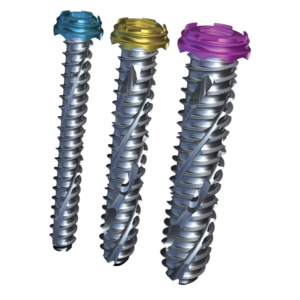

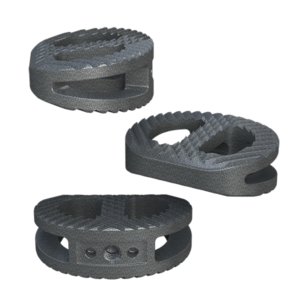 System Features
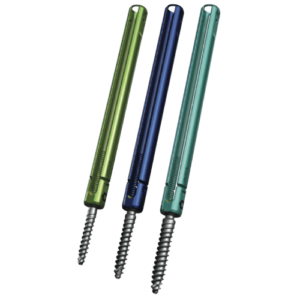 Key Features
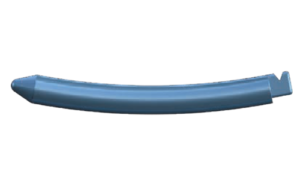 Key Features
 Key Features
 Key Features
 Key Features
 Key Features
 Key Features
 Key Features
 Key Features