| Airflow and Pressure Performance | ISO 5801 or AMCA 210 test methods; GB/T 1236 is widely used in China for fan aerodynamic performance testing. | Test data showing airflow, static pressure, total pressure, efficiency, rotational speed, and electrical input under defined operating conditions. | Check the test rig, calibration status, measurement instruments, test procedure, and whether the reported operating point matches the requested duty point. | Signed performance test report with test conditions, instrument identification, uncertainty information, and a clearly defined fan curve. |
| Energy Efficiency | GB 19761, China’s mandatory energy-efficiency standard for fans, where the product category and application are covered. | Declared efficiency values and product parameters that correspond to the applicable fan type, operating range, and rated motor configuration. | Verify motor and impeller specifications, efficiency calculations, test data, and consistency between the tested configuration and mass production units. | Applicable energy-efficiency test documentation, rating information, and traceable records for the supplied model configuration. |
| Electrical Safety | IEC 60204-1 for electrical equipment of machinery; IEC 60335-2-80 may apply to certain household and similar-use fans. The applicable requirement depends on product design and end use. | Electrical diagrams, insulation and grounding provisions, overload protection, terminal specifications, and documented safety tests. | Inspect wiring, protective earth continuity, insulation resistance, dielectric strength testing, enclosure protection, and component traceability. | Routine test records, electrical safety test reports, wiring diagrams, and inspection records linked to production batches. |
| Motor Quality | IEC 60034 series for rotating electrical machines; IEC 60034-30-1 addresses efficiency classes for line-operated AC motors. | Motor rated voltage, frequency, power, speed, insulation class, IP rating, efficiency class, service factor, and duty rating. | Verify incoming motor inspection, nameplate data, winding tests, bearing quality, balancing, temperature-rise testing, and supplier documentation. | Motor datasheet, test certificate, nameplate photographs, batch records, and evidence that the installed motor matches the approved specification. |
| Mechanical Strength and Balance | Applicable machinery-safety requirements and documented manufacturer design criteria; ISO 21940 can be used for rotor balancing principles. | Balanced impeller, adequate shaft strength, secure hub and blade fastening, suitable bearings, and guards for rotating parts. | Check dynamic balancing equipment, balance grades, weld quality, shaft runout, fastener locking, guard rigidity, and vibration-control procedures. | Balancing report, dimensional inspection record, vibration measurement, and final assembly inspection checklist. |
| Noise and Vibration | ISO 13349 provides vocabulary and classifications for fans; ISO 13350 and ISO 13351 may be relevant to jet fans and fan mechanical design. Noise test methods must be specified separately. | Sound-pressure or sound-power data measured using a stated method, measurement environment, distance, speed, and operating point. | Review the acoustic test environment, microphone calibration, vibration sensors, mounting conditions, and whether the measured speed matches the quotation. | Noise and vibration report containing test location, instrumentation, operating conditions, measured values, and acceptance limits. |
| Ingress Protection and Corrosion Resistance | IEC 60529 for IP ratings; coating and material requirements should be defined according to the installation environment. | Declared IP rating, enclosure construction, coating system, material grade, fastener material, and corrosion-protection method. | Inspect coating thickness, surface preparation, adhesion, weld finishing, sealing, drainage, and material certificates for critical components. | IP test evidence where required, coating inspection records, material certificates, and documented visual acceptance criteria. |
| Quality Management | ISO 9001 certification is evidence of a quality-management system, but it does not by itself certify a specific fan’s performance. | Controlled drawings, approved supplier lists, incoming inspection, process controls, nonconformance procedures, calibration management, and corrective-action records. | Confirm certificate validity and scope, audit production records, sample inspection documents, calibration labels, and traceability from raw materials to finished goods. | Valid certificate issued by an accredited certification body, quality manual or process map, inspection plans, and representative production records. |
| Market Access Compliance | CE marking may involve applicable EU directives and harmonised standards; UKCA may apply in Great Britain. Other markets can require UL, CSA, or local approvals. | Technical file, risk assessment, declaration of conformity where applicable, user instructions, product marking, and country-specific compliance documents. | Check that the tested model, motor, controller, enclosure, and safety components match the shipped configuration and declared market requirements. | Declaration of conformity, applicable test reports, product labels, manuals, and component certificates with consistent model numbers. |
| Production Capacity and Consistency | ISO 9001 process controls and customer-approved inspection plans; no single certification guarantees production consistency. | Defined monthly capacity, documented lead times, batch identification, spare-parts planning, and a repeatable final inspection process. | Compare sample approval with production units, review capacity claims, inspect work-in-progress controls, and conduct random quantity and specification checks. | Pre-production sample approval, first-article inspection, batch inspection report, packing list, serial-number record, and shipment release approval. |
| Final Pre-Shipment Inspection | Customer-specific inspection specification supported by applicable ISO, IEC, GB, or market-access requirements. | Inspection plan covering appearance, dimensions, rotation direction, airflow or pressure where practical, electrical safety, accessories, documents, and packaging. | Use statistically defined sampling where appropriate; verify carton markings, shock protection, moisture protection, spare parts, manuals, and nameplate information. | Independent or factory inspection report with photographs, measured results, nonconformity status, corrective actions, and release authorization. |







 System Features
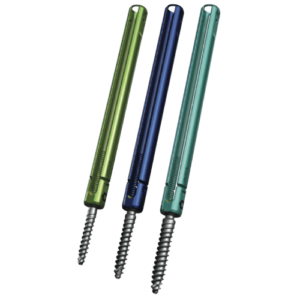 Key Features
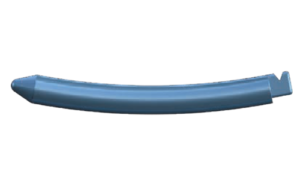 Key Features
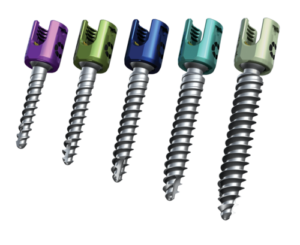 Key Features
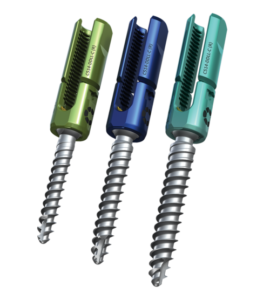 Key Features
 Key Features
 Key Features
 Key Features
 Key Features
 Key Features