| 1 | Product identity and intended food use | Product specification stating trehalose identity, grade, intended applications, and applicable food regulations. | Check the product identity and permitted use against the current rules in the importing market. | Proceed only when the product is suitable for the intended use and destination market. |
| 2 | Batch-specific Certificate of Analysis | A recent CoA showing the lot number, test methods, results, and specification limits for the offered batch. | Match the CoA lot number to the sample and shipment documents; ask the supplier to explain any missing or unclear results. | Require a complete, traceable CoA for each supplied lot. |
| 3 | Purity and physical specifications | Defined limits and test results for assay, appearance, moisture, and any other agreed product characteristics. | Compare reported results with the buyer’s agreed specification; do not assume one universal limit applies to all grades. | Accept only against written, mutually agreed specifications. |
| 4 | Microbiological controls | Relevant microbiological limits, analytical methods, and batch results, as applicable to the product and intended use. | Review the methods and results with the buyer’s quality team and check that they meet applicable local requirements. | Resolve any missing results or out-of-specification findings before purchase. |
| 5 | Contaminant and residue controls | Risk-based testing information for relevant contaminants, with limits and methods where testing is applicable. | Assess the supplier’s controls against destination-market requirements and the buyer’s risk assessment. | Document the required testing scope before approving the supplier. |
| 6 | Food safety management | Current food-safety certificates or audit evidence, including certificate scope, site, issuing body, and validity dates. | Verify certificates with the issuer where possible; confirm they cover the actual manufacturing site and relevant activity. | Do not rely on an expired, out-of-scope, or unverifiable certificate. |
| 7 | Manufacturing site and traceability | Manufacturing-site details, lot coding system, traceability procedure, and recall contact or process. | Ask for a traceability demonstration linking a finished lot to its production and dispatch records. | Require documented lot-level traceability and a defined recall process. |
| 8 | Allergen and cross-contact information | Written allergen declaration and information on cross-contact controls relevant to the manufacturing site. | Compare the declaration with the buyer’s allergen policy and destination-market labeling rules. | Obtain a clear, current declaration before label or product approval. |
| 9 | Packaging, storage, and transport | Food-contact packaging information, package sizes, storage conditions, shelf-life basis, and shipping protection details. | Check packaging suitability and transport conditions against the product specification and the planned route. | Approve only when packaging and handling instructions are documented and practical. |
| 10 | Commercial and supply reliability | Written quotation, minimum order quantity, lead time, capacity confirmation, Incoterms, payment terms, and complaint procedure. | Confirm details in the purchase contract and assess sample quality and communication before scaling orders. | Select based on verified quality, compliance, service, and total landed cost—not price alone. |






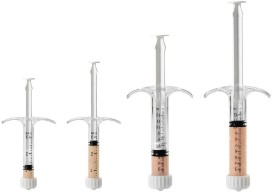
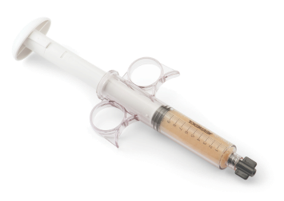


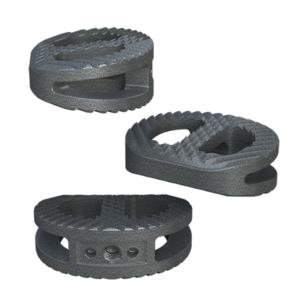 System Features
 Key Features
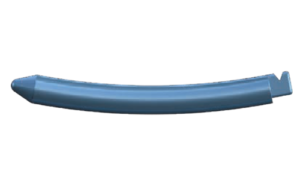 Key Features
 Key Features
 Key Features
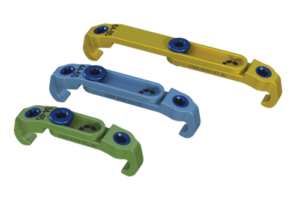 Key Features
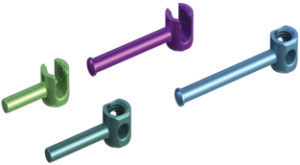 Key Features
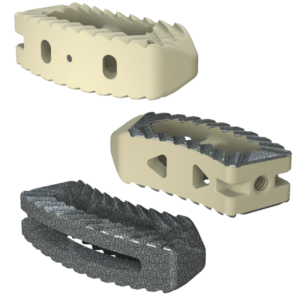
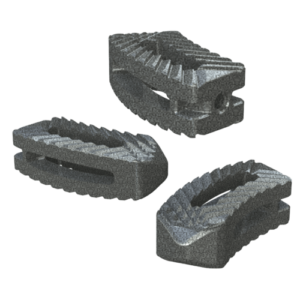
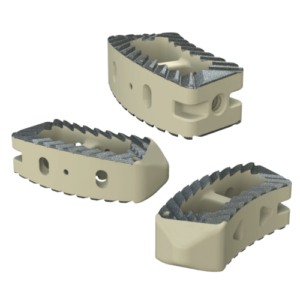
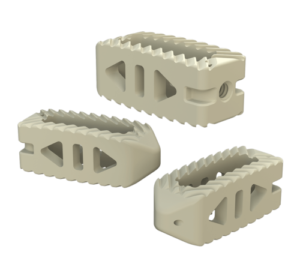
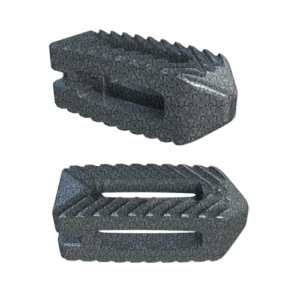
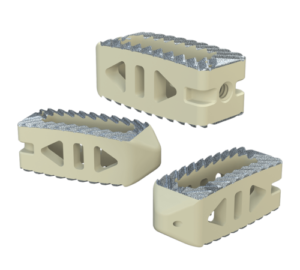

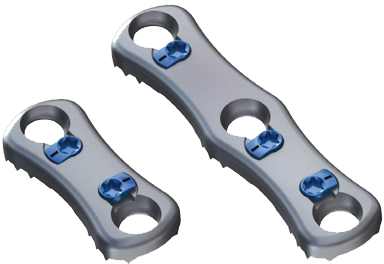
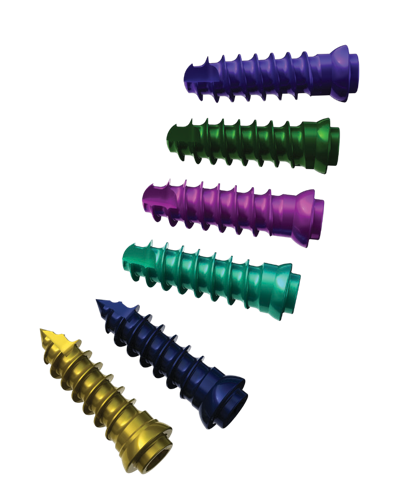
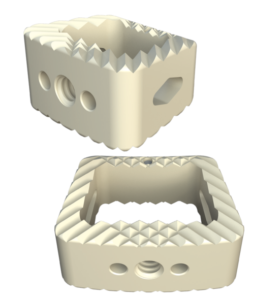 Key Features
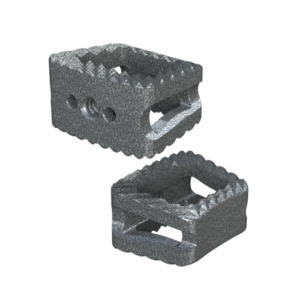 Key Features
 Key Features