| Food-safety management | Documented hazard analysis and food-safety controls. Codex CXC 1-1969, General Principles of Food Hygiene, includes the HACCP system. ISO 22000:2018 is a food-safety management-system standard. | Current HACCP plan or equivalent hazard-control records; scope and validity of any food-safety-system certificate; relevant audit findings and corrective actions. | Check that the audited scope covers the actual manufacturing site and collagen-processing activities. A management-system certificate is not, by itself, proof that a specific lot meets its specification. |
| Laboratory competence | ISO/IEC 17025:2017 sets general requirements for the competence of testing and calibration laboratories. | Certificate of analysis (COA), laboratory identity, test methods, results, units, reporting limits, and—where relevant—evidence that the method is within the laboratory’s accredited scope. | Prefer methods and laboratories appropriate to the analyte and matrix. Confirm that the COA identifies the supplied lot rather than only a typical or historical result. |
| Species and marine-source traceability | Traceability should link incoming fish raw material through processing and finished-product lots. Applicable species disclosure and traceability rules vary by market and product category. | Declared scientific species, country or area of origin where available, raw-material and finished-lot links, supplier records, and chain-of-custody documentation. | Check consistency between the specification, label, COA, and traceability records. Do not treat “marine collagen” alone as adequate species identification. |
| Identity and collagen characterization | There is no single universal numerical identity specification for every fish collagen powder. Establish a written, product-specific specification and validated identity approach. | Declared collagen type or material description; method and result for an appropriate identity or composition test; supporting raw-material and process documentation. | Agree in advance how identity is tested and what constitutes acceptance. A protein result alone does not establish species, source, or collagen identity. |
| Protein or collagen content | Set a contractual minimum and a defined analytical method. Results from different protein methods may not be directly comparable. | Lot-specific result, method, reporting basis (for example, as-is or dry basis), and the agreed specification limit. | Compare suppliers only when methods and reporting bases match. Treat any proposed numerical minimum as a buyer-supplier specification, not a universal legal threshold. |
| Hydroxyproline or amino-acid profile | Hydroxyproline can support collagen characterization, but acceptance limits should be product-specific and method-defined. | Test method, result and units; sampling information; and a written acceptance range agreed before purchase. | Use as supporting evidence alongside identity and composition data, not as stand-alone proof of species or purity. |
| Moisture, ash, and physical properties | Define buyer-specific limits for moisture, ash, appearance, odor, solubility, and particle size where these matter to the finished product. There is no single limit suitable for all powder grades. | Lot-specific results or inspection records against the agreed specification; method, units, and sampling plan. | Set limits around the buyer’s formulation, shelf-life, and processing requirements. Confirm that the sampling plan represents the bulk lot. |
| Heavy metals and other contaminants | Meet the applicable market’s current contaminant rules. In the EU, maximum levels for specified contaminants in food are set under Regulation (EU) 2023/915; applicability and limits depend on the food category and contaminant. | Lot-specific results for relevant contaminants, such as lead, cadmium, mercury, and arsenic where required by the risk assessment or market; methods and reporting limits. | Do not apply a limit from another food category by assumption. Verify the correct legal category, destination market, and current limit before release. |
| Microbiological quality | Use a risk-based, product-specific microbiological specification and applicable local requirements. Limits can depend on whether the powder is ready for consumption and how it will be used. | Lot-specific test results for agreed organisms and indicators, with methods, units, sampling plan, and detection limits. | Define the relevant test panel with food-safety and regulatory teams. A negative result applies to the tested sample and does not replace hygienic manufacturing controls. |
| Allergen management and labeling | Fish is a major allergen in the United States and is among the allergens requiring declaration under EU food-information rules when applicable. See U.S. FDA allergen guidance and EU Regulation (EU) No 1169/2011. | Allergen statement, fish species information where required, cross-contact controls, cleaning-validation or verification records, and proposed label review. | Check requirements for the destination market and intended label. Do not assume fish-derived collagen is exempt from allergen disclosure. |
| U.S. preventive controls (where applicable) | U.S. FDA 21 CFR Part 117 establishes current good manufacturing practice and hazard-analysis/preventive-controls requirements for covered facilities, subject to applicable exemptions and modified requirements. | Facility and food-safety documentation relevant to the product and supply chain; hazard-control information; and records needed for importer or customer verification. | Confirm which party has each regulatory responsibility. FDA facility registration is not an FDA product approval or an endorsement of a supplier. |
| Lot release and change control | Use a written release specification, approved sampling plan, deviation process, and change-notification agreement. | COA for every lot; retain-sample policy; nonconformance and corrective-action records; advance notice of changes to species, site, process, or test method. | Make acceptance criteria, retesting rules, and rejection procedures part of the purchase specification and quality agreement. |
| Packaging, storage, and shelf life | Packaging and storage conditions should be supported by product-specific stability and compatibility information; shelf life is not universal across powder grades and packs. | Packaging material specification, lot and date coding, storage instructions, shelf-life rationale, and stability data supporting the stated expiry or best-before date. | Assess moisture and contamination protection, transport conditions, and pack size for the planned storage period and bulk-handling operation. |






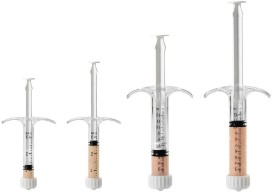
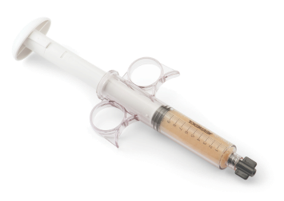
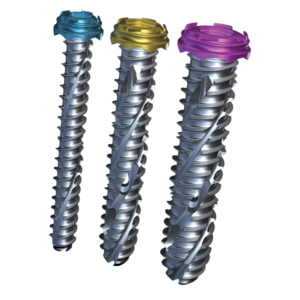

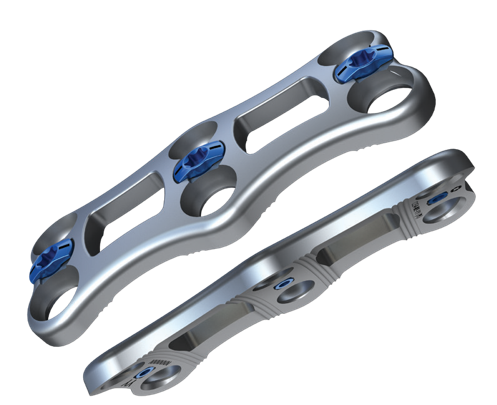
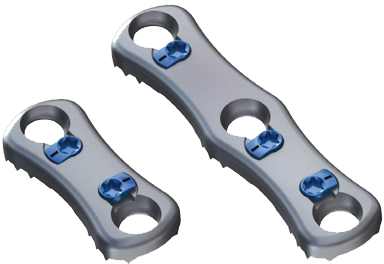
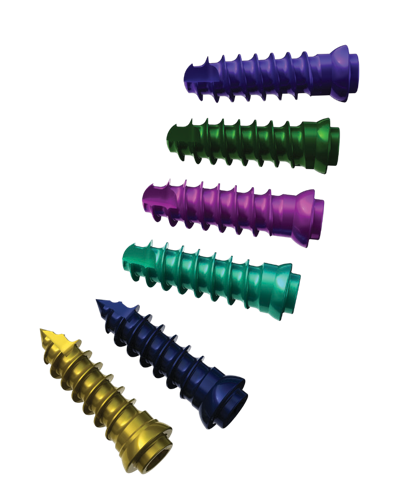
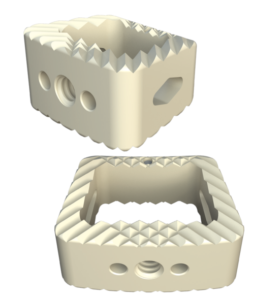
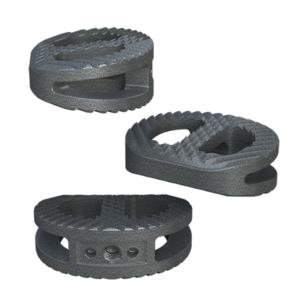 System Features
 Key Features
 Key Features
 Key Features
 Key Features
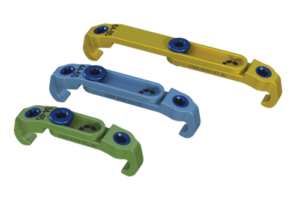 Key Features
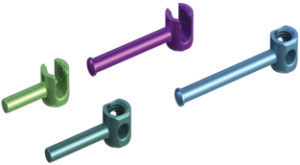 Key Features
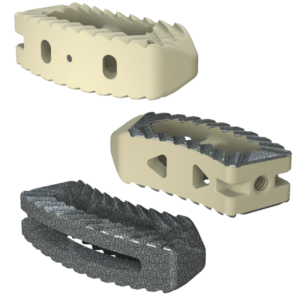
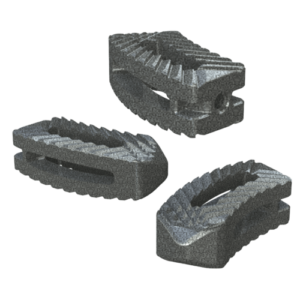
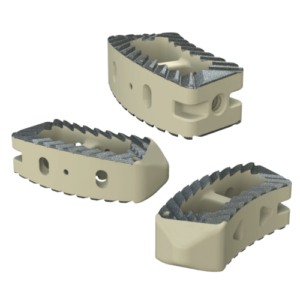
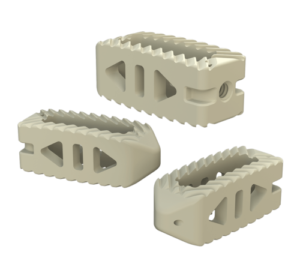
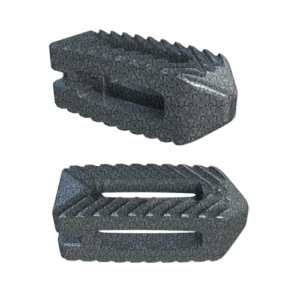
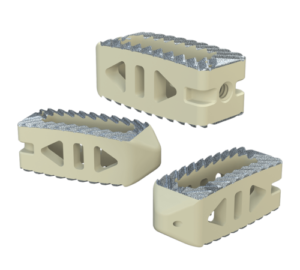
 Key Features
 Key Features
 Key Features