| Main Body Material | Ductile iron, commonly EN-GJS-400-15 or EN-GJS-500-7 | EN 1563; ISO 1083 | Potable water, raw water, wastewater, and general pipeline systems | Check mechanical properties, casting quality, corrosion protection, and compatibility with the connected pipe material. |
| Flange Material | Ductile iron or carbon steel, depending on design and pressure class | EN 1092-2; ASME B16.5 where applicable | Flanged valves, pumps, flow meters, strainers, and pipeline fittings | Confirm flange drilling, nominal pressure, outside diameter, bolt-hole pattern, and gasket-face dimensions. |
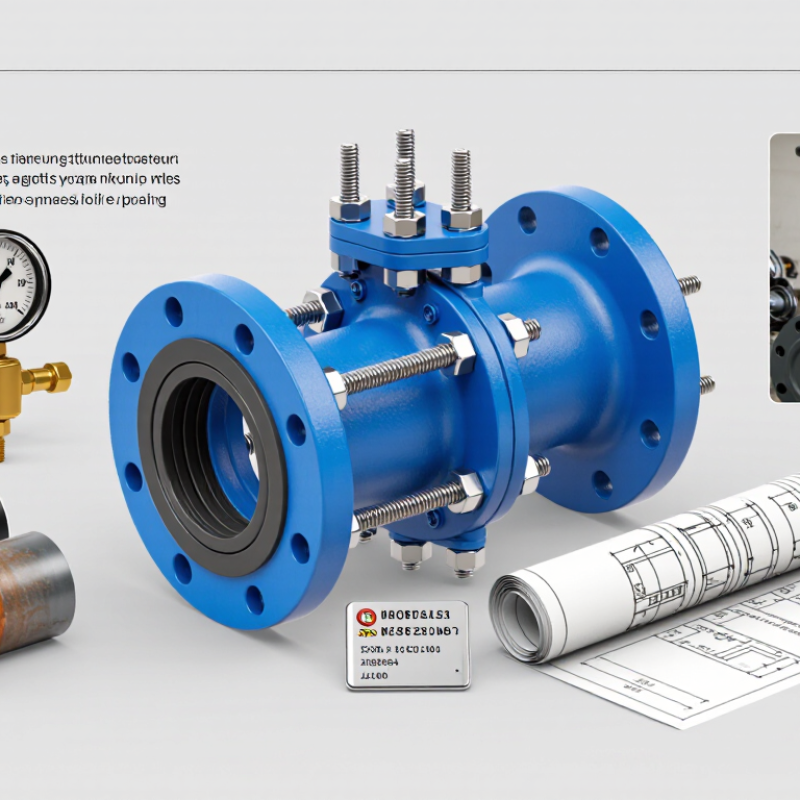
| Tie-Rod and Fastener Material | Carbon steel, stainless steel, or galvanized steel | ISO 898-1 for mechanical properties of carbon-steel fasteners | Restrained dismantling assemblies exposed to axial pipeline forces | Stainless steel is generally preferred for aggressive, humid, saline, or chemically exposed environments. |
| Sealing Element | EPDM, NBR, or another elastomer selected for the service medium | EN 681-1; ISO 4633 | Water, wastewater, air, and selected industrial fluids | EPDM is widely used for water applications; NBR is commonly selected where resistance to oils and hydrocarbons is required. |
| Protective Coating | Fusion-bonded epoxy, liquid epoxy, polyurethane, or zinc-rich coating | EN 14901-1; ISO 12944 for corrosion-protection principles | Buried pipelines, treatment plants, pumping stations, and exposed installations | Specify coating thickness, surface preparation, holiday testing, adhesion, and suitability for potable-water contact when required. |
| Nominal Diameter Range | Usually manufactured from small service sizes to large transmission-pipeline sizes; verify the supplier's actual range | EN 545; ISO 2531; AWWA C219, depending on the project | Distribution networks, transmission mains, plant pipework, and utility connections | Match the dismantling joint to the actual pipe outside diameter, not only the nominal diameter shown on drawings. |
| Pressure Classification | PN 10, PN 16, PN 25, or another project-specific rating | EN 1092-2; ISO 2531; applicable national or utility specifications | Water-supply networks, pumping systems, and pressure pipelines | The joint rating must meet or exceed the system design pressure, including transient and test pressures where applicable. |
| Axial Restraint | Non-restrained or restrained design with tie rods | Manufacturer design calculations and project engineering requirements | Valve chambers, pump connections, above-ground pipework, and locations requiring controlled disassembly | Determine whether the assembly must resist pressure thrust, thermal movement, or installation loads. |
| Adjustment Capability | Longitudinal adjustment to accommodate installation tolerances and equipment removal | Product design documentation and approved installation instructions | Valve replacement, pump maintenance, flow-meter installation, and pipeline retrofit work | Confirm the available adjustment length and ensure the joint is not used to compensate for excessive angular misalignment. |
| Flange Drilling | EN PN drilling, ANSI Class drilling, or another specified pattern | EN 1092-2; ASME B16.5; ASME B16.47 where applicable | Connections between equipment and pipelines manufactured to different standards | Check bolt-hole quantity, pitch-circle diameter, flange thickness, facing type, and bolt compatibility before ordering. |
| Water-Service Compliance | Materials suitable for contact with drinking water when required | Applicable national drinking-water regulations, WRAS, NSF/ANSI/CAN 61, or equivalent approval | Potable-water treatment plants and municipal drinking-water networks | Approval requirements vary by destination country; coating and elastomer certificates should cover the complete wetted assembly. |
| Wastewater Compatibility | Corrosion-resistant materials and elastomers selected for sewage and chemically active environments | EN 598 and project-specific chemical-resistance requirements | Sewer force mains, wastewater treatment plants, and sludge-handling systems | Evaluate hydrogen sulfide exposure, biological corrosion, cleaning chemicals, temperature, and abrasion risk. |
| Installation Function | Provides axial adjustment and allows equipment or valve removal without extensive pipe cutting | Approved method statement and manufacturer installation instructions | Maintenance-sensitive locations such as pump stations, valve chambers, and meter assemblies | Install with the correct gasket, bolt tightening sequence, joint position, and final alignment; pressure-test after installation. |
| Quality Documentation | Dimensional drawings, material certificates, coating records, inspection reports, and pressure-test documentation | ISO 9001 quality-management framework; project inspection and test plan | Municipal, industrial, infrastructure, and export projects | A reliable supplier should provide traceability from raw materials through inspection and final delivery. |
| Supplier Selection Criteria | Verified manufacturing capability, dimensional consistency, testing capacity, and technical support | Applicable product standards, third-party inspection requirements, and purchaser specifications | Procurement of standard or customized dismantling joints | Compare compliance, total installed cost, lead time, spare-part availability, warranty terms, and after-sales support rather than price alone. |




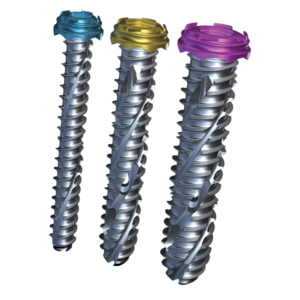

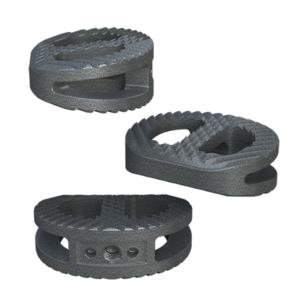 System Features
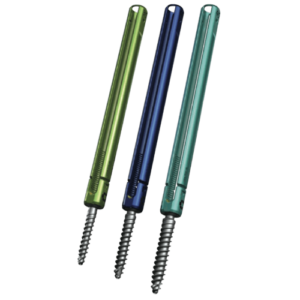 Key Features
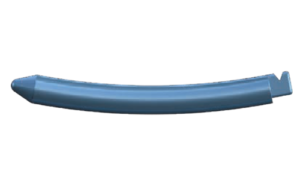 Key Features
 Key Features
 Key Features
 Key Features
 Key Features
 Key Features
 Key Features
 Key Features