| Botanical identity | Vaccinium myrtillus L. | True European bilberry is generally identified as Vaccinium myrtillus. It should be distinguished from North American blueberry species and other Vaccinium fruits. | Correct species identification is essential because anthocyanin profiles and product specifications can differ among Vaccinium species. | Request the Latin binomial, plant part, country of origin, and botanical identification method. |
| Raw-material form | Whole fresh or frozen fruit | Provides naturally occurring anthocyanins, sugars, organic acids, fiber, and water. Fresh fruit is highly perishable and is not a concentrated extract. | Suitable for food and beverage applications, but it has higher logistics cost and lower active-compound concentration per kilogram. | Check moisture, microbiology, pesticide residues, heavy metals, and cold-chain requirements. |
| Raw-material form | Fruit juice or concentrate | Convenient for liquid products, but processing and storage can affect anthocyanin stability. Sugar and acid content may vary substantially. | Useful for beverages and functional foods where liquid dispersion is important. | Review Brix, pH, acidity, added sugar, preservative system, and anthocyanin content at the end of shelf life. |
| Raw-material form | Spray-dried or freeze-dried powder | Powders offer lower shipping weight than fruit and can be used in capsules, sachets, premixes, and foods. Carrier materials may be present in spray-dried products. | Often a practical format for international trade, but hygroscopicity and oxidation must be controlled. | Check carrier declaration, moisture, water activity, particle size, bulk density, solubility, and packaging barrier properties. |
| Extraction solvent | Water-based extraction | Can recover water-soluble anthocyanins and other polar compounds. The final profile depends on temperature, pH, time, and concentration steps. | May be preferred for certain food and beverage applications and for buyers seeking a simpler solvent profile. | Request the extraction process, residual-solvent statement, concentration ratio, and validated active-compound assay. |
| Extraction solvent | Water-ethanol extraction | Food-grade ethanol can improve recovery of a broader range of polyphenols. Ethanol is normally removed or reduced during concentration and drying. | Commonly suitable for concentrated botanical extracts, subject to local regulatory requirements. | Confirm ethanol grade, residual solvents, solvent-to-material ratio, and compliance with the destination market. |
| Key active compounds | Anthocyanins | Bilberry anthocyanins commonly include glycosides of delphinidin, cyanidin, petunidin, peonidin, and malvidin. The exact ratio depends on species, harvest, and processing. | Usually the primary marker used to compare bilberry extracts, but “total anthocyanins” alone does not fully describe the profile. | Prefer HPLC or UHPLC profiling with a stated reference basis, such as cyanidin-3-glucoside equivalents or individual anthocyanin glycosides. |
| Key active compounds | Chlorogenic acids | Chlorogenic acids are naturally occurring phenolic acids in bilberry and may contribute to the broader polyphenol profile. | Useful as a secondary quality marker when comparing extracts with similar anthocyanin specifications. | Ask for an individual or total chlorogenic-acid result and the analytical method used. |
| Key active compounds | Flavonols and other polyphenols | Bilberry contains additional flavonoids and phenolic compounds, although amounts vary with cultivar, maturity, geography, and processing. | Helpful for product differentiation, but these compounds should not be treated as interchangeable with anthocyanins. | Request a chromatographic fingerprint rather than relying only on a broad “total polyphenols” number. |
| Standardization level | Non-standardized fruit powder | Active-compound concentration can fluctuate according to harvest year, fruit maturity, drying method, and storage conditions. | Appropriate when a whole-food positioning is more important than a fixed active dose. | Set an acceptance range for anthocyanins and require batch-specific testing. |
| Standardization level | Standardized extract, approximately 15–25% anthocyanins | Commercial bilberry extracts are often specified within a defined anthocyanin range. The exact percentage is not universal and must be confirmed by the supplier’s assay method. | Offers more consistent dosing and easier formulation calculations than non-standardized powder. | Confirm whether the percentage is based on dry weight, which reference standard is used, and whether results are minimum, average, or target values. |
| Analytical method | HPLC or UHPLC anthocyanin profile | Chromatographic methods can separate and quantify individual anthocyanins and provide a more informative profile than a single colorimetric total. | Best suited for comparing authenticity, batch consistency, and degradation during storage. | Request chromatograms, reference standards, method validation data, and laboratory accreditation where available. |
| Analytical method | pH-differential total anthocyanin assay | This spectrophotometric method is widely used for estimating total monomeric anthocyanins, but it does not identify individual compounds and can be affected by matrix characteristics. | Useful for routine screening when the method and reporting basis are clearly stated. | Do not compare results from different methods or reference bases without normalizing the data. |
| Stability factor | Light, oxygen, heat, and pH | Anthocyanins are sensitive to environmental conditions. Neutral-to-alkaline conditions generally present greater stability challenges than acidic conditions. | Packaging, formulation pH, and storage conditions can materially affect the delivered active level. | Review accelerated and real-time stability data, oxygen exposure, package light protection, and recommended storage temperature. |
| Quality and safety | Contaminant and authenticity control | Botanical extracts may require testing for pesticides, heavy metals, residual solvents, microbial contamination, mycotoxins, and adulteration, depending on origin and market. | Testing requirements differ by destination country and product category. | Obtain a batch-specific certificate of analysis and confirm testing against the importing market’s current requirements. |
| Best fit by application | Capsules and tablets | A dry, standardized extract with controlled moisture and a defined anthocyanin assay is generally easier to dose than juice or fresh fruit. | Supports compact dosage forms and consistent label calculations. | Check flowability, compressibility, excipient compatibility, moisture, and dose uniformity. |
| Best fit by application | Beverages and liquid foods | Juice concentrates and water-dispersible powders provide easier incorporation than highly hydrophobic or poorly dispersible extracts. | Important for appearance, sedimentation, taste, and anthocyanin retention throughout shelf life. | Test dispersion, color stability, pH compatibility, sedimentation, flavor, and finished-product stability. |
| Global-buyer decision rule | Best overall comparison basis | The strongest comparison combines verified Vaccinium myrtillus identity, a transparent anthocyanin assay, batch consistency, contaminant control, documented stability, and suitability for the intended dosage form. | The highest stated anthocyanin percentage is not automatically the best choice if identity, assay basis, stability, or regulatory documentation is unclear. | Use a weighted supplier scorecard covering identity, active compounds, analytical evidence, safety, stability, documentation, price, and logistics. |






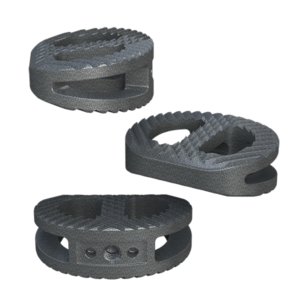 System Features
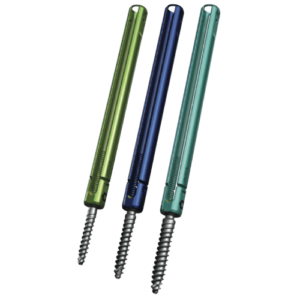 Key Features
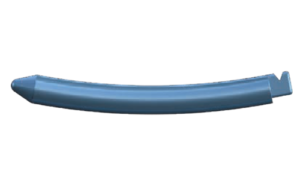 Key Features
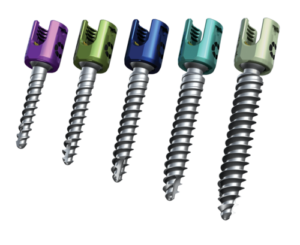 Key Features
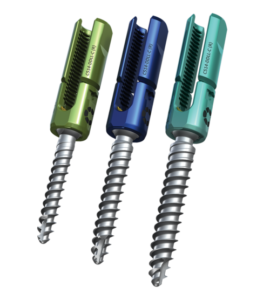 Key Features
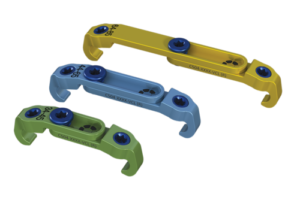 Key Features
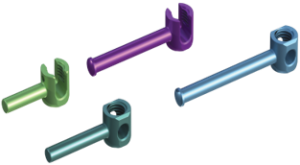 Key Features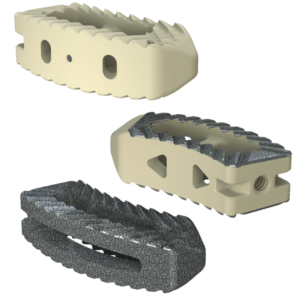
 Key Features
 Key Features
 Key Features