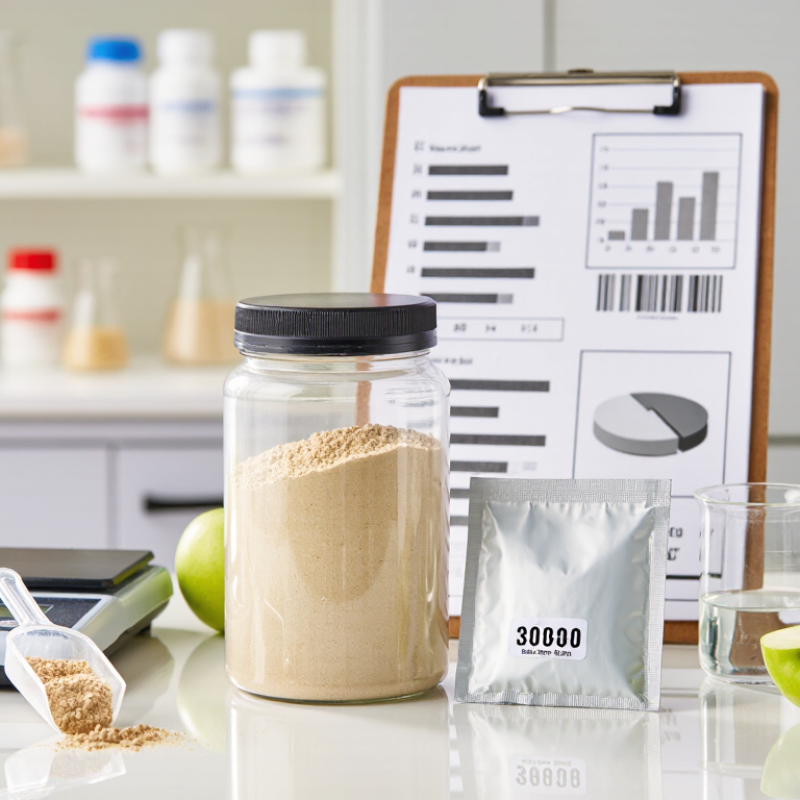
| What the powder is | A dried apple cider vinegar preparation. Many commercial powders include a carrier to help convert the liquid into a free-flowing powder. | Ask for the full ingredient list and the percentage or amount of carrier, if used. |
| Fermentation: first stage | Yeast ferments sugars in apple juice or cider, producing ethanol and other fermentation compounds. | Confirm that the supplier can document the raw material and manufacturing process. |
| Fermentation: second stage | Acetic acid bacteria convert ethanol into acetic acid in the presence of oxygen. This is the vinegar-making stage. | Request the product’s acidity or acetic-acid specification and the test method used. |
| Drying and powder formation | The vinegar preparation may be blended with a suitable carrier and dried, often by spray drying. Exact processing conditions and formulations vary by product. | Ask whether the powder is spray-dried or made by another process, and review the ingredient declaration. |
| Carrier ingredients | Carriers such as maltodextrin may be used to support drying, handling, and powder flow. The type and quantity are product-specific. | Check suitability for dietary, allergen, and labeling requirements in the intended market. |
| Acidity and assay | Powder acidity cannot be compared directly with liquid vinegar without considering the powder’s formulation, carrier content, and test method. | Request a specification and recent certificate of analysis (COA), including the assay basis and method. |
| Moisture and handling | Moisture content affects powder flow, clumping, and storage stability. Acceptable limits depend on the product specification. | Compare the stated moisture limit with the COA result; do not assume one universal limit applies to every powder. |
| Particle size and solubility | Particle size and dispersibility influence mixing and the finished product’s texture. Results depend on the grade and processing method. | Specify a sieve or mesh requirement if needed; an 80-mesh screen can be a buyer-defined target, not a universal industry standard. |
| Safety and quality testing | Relevant checks may include microbiological criteria, heavy metals, identity, and other tests required by the product specification and destination market. | Review a batch-specific COA and confirm testing requirements with the supplier and your regulatory adviser. |
| Choosing a supplier in China | A suitable supplier should be able to explain the formulation, provide consistent specifications, and support the documentation needed for the intended use and market. | Compare samples, specifications, batch records, facility documentation, export experience, and responsiveness before placing an order. |
| Packaging and shelf life | Moisture-resistant packaging can help protect a hygroscopic powder. Shelf life depends on formulation, packaging, and storage conditions. | Request the proposed packaging, storage instructions, and shelf-life evidence for the specific product. |




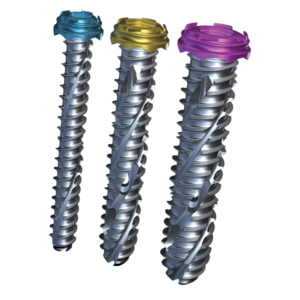

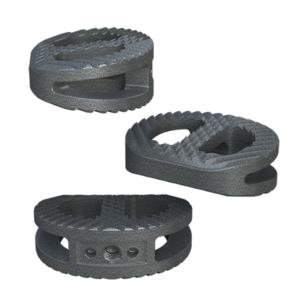 System Features
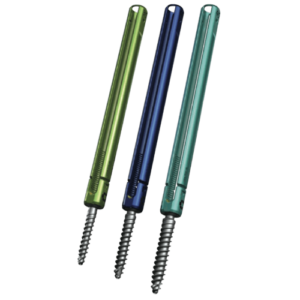 Key Features
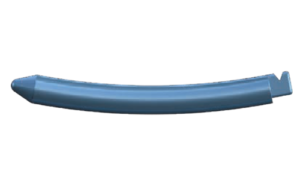 Key Features
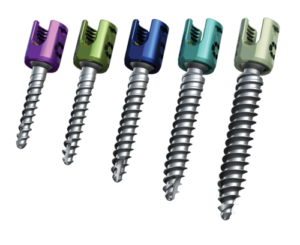 Key Features
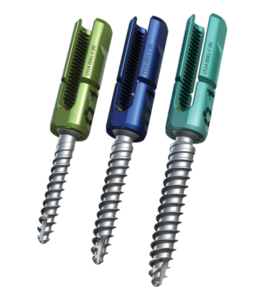 Key Features
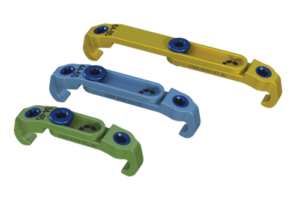 Key Features
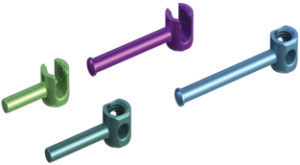 Key Features
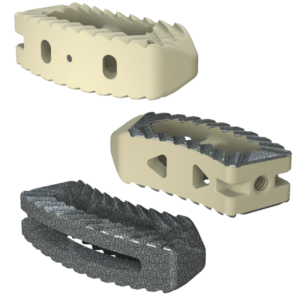
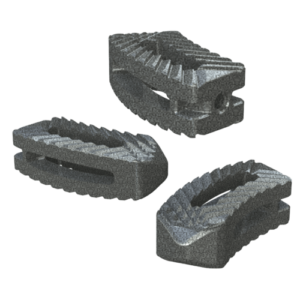
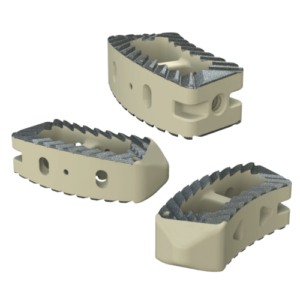
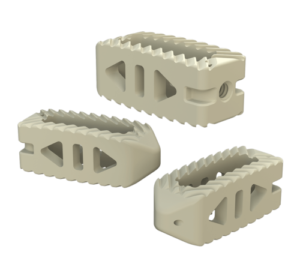
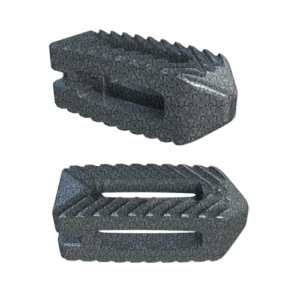
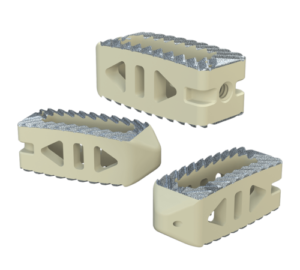
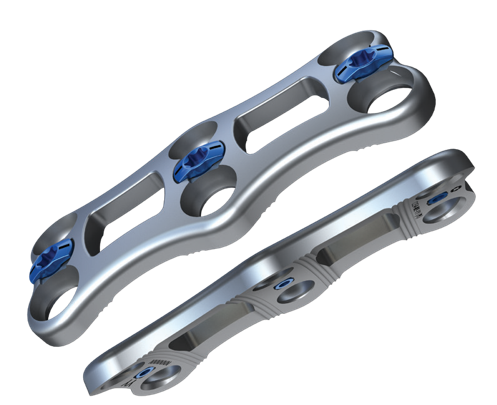
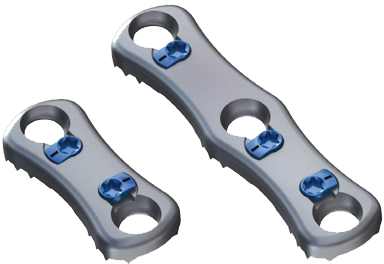
 Key Features
 Key Features
 Key Features