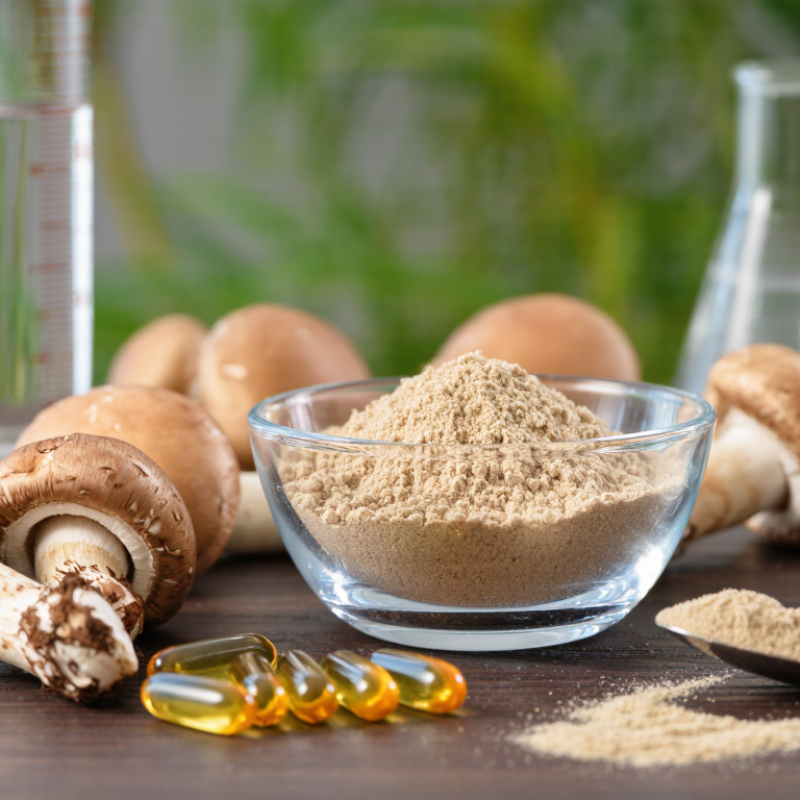
| Overall extract choice | Standardized hot-water extract, or a hot-water-dominant extract with a clearly declared secondary alcohol fraction | β-D-glucans Protein-bound polysaccharides Ergosterol Phenolic compounds | Declared extraction solvent, mushroom part, extraction ratio, and a batch-specific assay for β-glucans rather than an unspecified “polysaccharide” percentage. | Hot water is suitable for extracting many water-soluble mushroom polysaccharides. A mixed-solvent process may broaden the chemical profile, but it should not replace transparent labeling and testing. | Review the certificate of analysis, analytical method, and the relationship between raw-material weight and finished-extract weight. |
| Species identity | Authenticated Agaricus blazei, with nomenclature clarified | Agaricus blazei Murrill Agaricus subrufescens DNA identity | The label should identify the scientific name used by the supplier and the material should be traceable to authenticated fruiting bodies or mycelium. | Agaricus blazei is also commonly discussed under the name Agaricus subrufescens. Correct identity reduces the risk of substitution with another mushroom species. | Use macroscopic or microscopic identification together with DNA-based authentication when appropriate; DNA testing alone may not describe extract composition. |
| Primary active compound | β-D-glucan-standardized extract | β-(1→3)-glucans β-(1→6)-glucans | β-glucan content is reported separately from total polysaccharides, with the test method, units, and batch result stated. | β-glucans are important structural polysaccharides in mushrooms. “Total polysaccharides” can also include starch, dextrins, or other non-β-glucan carbohydrates. | Prefer a validated enzymatic β-glucan method or another recognized method that distinguishes β-glucans from α-glucans and explains its reporting basis. |
| Polysaccharide integrity | Low-starch, non-adulterated extract | β-glucan α-glucan Total carbohydrate | α-glucan or starch-related carbohydrate is disclosed where relevant, and the reported β-glucan value is not presented as total carbohydrate. | High total-polysaccharide numbers can be misleading when starch or carrier carbohydrates contribute substantially to the result. | Compare β-glucan, α-glucan, total carbohydrate, and excipient results on the same certificate of analysis. |
| Secondary chemical markers | Chemically characterized extract | Ergosterol Phenolic compounds Agaritine Nucleosides | At least one orthogonal marker, such as ergosterol or a validated chromatographic profile, is reported when the extract is promoted as chemically standardized. | These compounds can help characterize the raw material and extraction profile, but they should not be treated as interchangeable with β-glucan content. | Use HPLC, LC-MS, or another fit-for-purpose chromatographic method with reference standards and documented sample preparation. |
| Fruiting body versus mycelium | Clearly declared biological material | Fruiting-body constituents Mycelial biomass Cultivation substrate | The label states whether the extract is made from fruiting bodies, mycelium, or a combination, and identifies any growth substrate or carrier. | Biological material and cultivation substrate can affect the chemical profile, ash content, carbohydrate profile, and contaminant risk. | Check raw-material specifications, microscopy or DNA documentation, substrate information, and the finished-product certificate. |
| Extraction process | Documented hot-water or hydroethanolic process | Water-soluble polysaccharides Sterols Phenolics | Temperature range, solvent composition, number of extraction cycles, concentration step, drying process, and carrier materials are documented. | Extraction conditions influence which compounds are recovered and can affect degradation, residual solvent levels, and batch-to-batch consistency. | Request a process specification or quality dossier rather than relying only on the phrase “high potency.” |
| Contaminant control | Tested and released under written limits | Heavy metals Pesticide residues Microbial count Mycotoxins Residual solvents | Every batch or defined testing interval has results for contaminants relevant to the cultivation and extraction process, with limits tied to the intended market. | Mushrooms can accumulate environmental contaminants, while water-based and solvent-based processes create different microbiological and residual-solvent considerations. | Use qualified third-party laboratories where possible and verify the test date, lot number, method, units, and acceptance limits. |
| Physical and stability quality | Stable, reproducible powder or liquid extract | Moisture Water activity Particle size Shelf life | Moisture or water activity, packaging conditions, storage temperature, lot number, and expiry or retest date are specified. | Moisture and storage conditions affect caking, microbial stability, oxidation, and the reproducibility of the delivered dose. | Review stability data and confirm that the certificate of analysis corresponds to the actual lot supplied. |
| Best practical standard | Multi-parameter standardization | Identity β-glucan α-glucan Ergosterol or profile marker Contaminants | A strong specification combines authenticated species identity, declared biological material, quantified β-glucans, transparent carbohydrate testing, chemical profiling, and contaminant limits. | No single compound defines every aspect of Agaricus blazei extract quality. A multi-parameter approach is more informative than a high percentage of unspecified polysaccharides. | Assess the complete technical dossier and certificate of analysis, not only the marketing percentage or extraction ratio. |




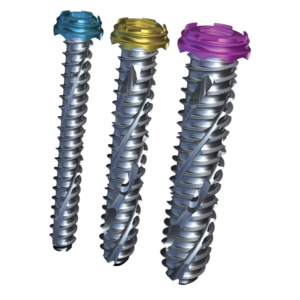

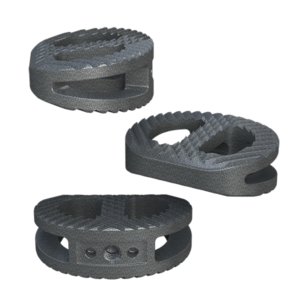 System Features
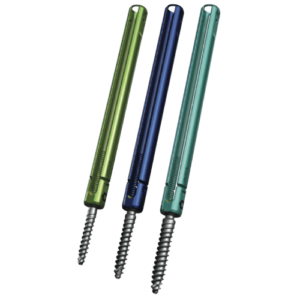 Key Features
 Key Features
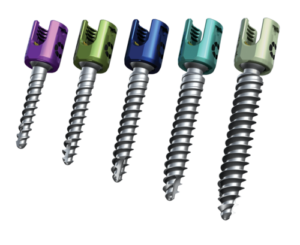 Key Features
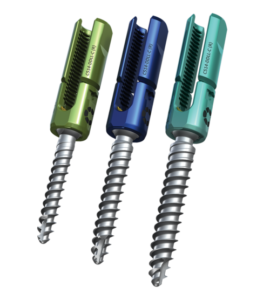 Key Features
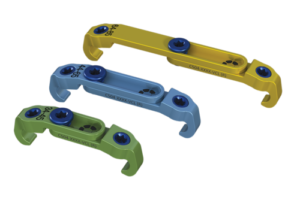 Key Features
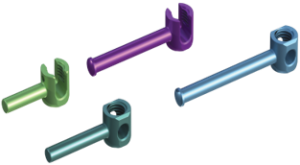 Key Features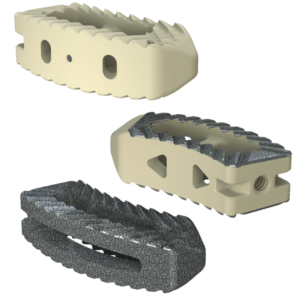
 Key Features
 Key Features
 Key Features