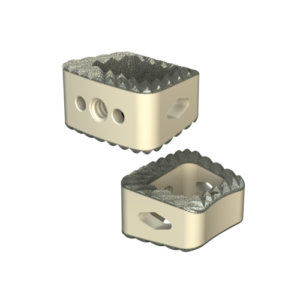
What is 3D Printed PEEK Implants and Their Benefits for Patients?

3D printed PEEK implants represent a significant advancement in medical technology. Dr. Emily Chen, a leading expert in biocompatible materials, notes, “These implants offer a unique blend of strength and flexibility.” This technology has transformed how orthopedic and dental implants are designed and manufactured.

The benefits of 3D printed PEEK implants are numerous. They are lightweight yet durable, making them ideal for various applications. The precision of 3D printing allows for customization, ensuring a perfect fit for each patient. This feature is essential as it directly impacts recovery and overall satisfaction. However, the adoption of this technology is not without challenges. Manufacturers must continuously improve techniques to enhance the mechanical properties of these implants.

Patient feedback has shown a positive response to 3D printed PEEK implants. The personalized nature of these devices often leads to quicker recovery times. The long-term implications are still being studied, emphasizing the need for ongoing research. As this field evolves, so does the understanding of the full potential of 3D printed PEEK implants. The future looks promising, but it is crucial to address the gaps in current knowledge.

What is 3D Printed PEEK Implants and Their Benefits for Patients?

Definition of 3D Printed PEEK Implants in Medical Applications

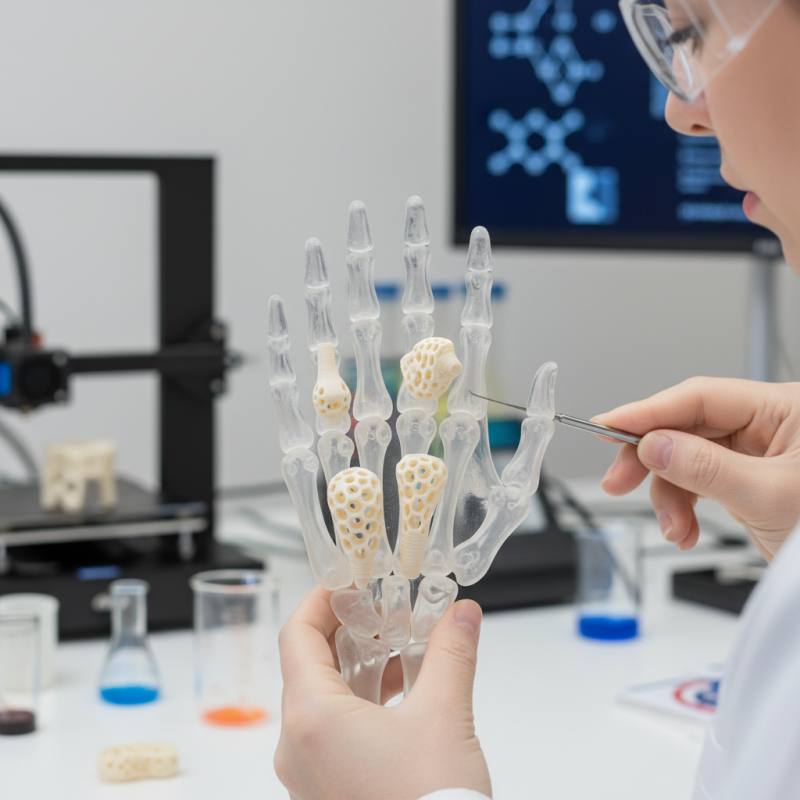
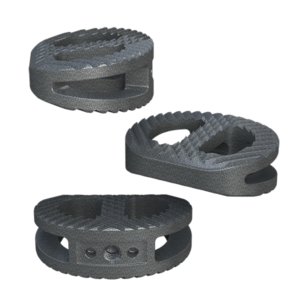
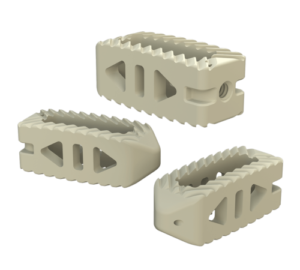
3D printed PEEK (polyether ether ketone) implants represent a significant innovation in medical applications. PEEK is known for its excellent biocompatibility, chemical resistance, and mechanical properties, making it suitable for various surgical uses. These implants can be customized to precisely fit a patient’s anatomy, enhancing the success rate of procedures. A study published by the Journal of Materials Science indicated that PEEK demonstrates comparable outcomes to titanium in load-bearing applications.

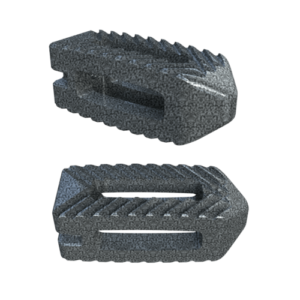
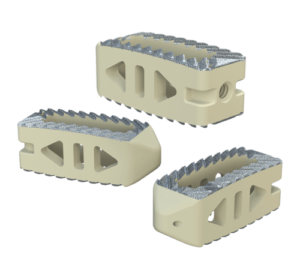
The production process of 3D printed PEEK allows for intricate designs that can improve bone integration. Research in biomedical engineering shows that incorporating porous structures in PEEK implants promotes osteointegration. In a clinical trial, patients with 3D printed PEEK implants reported reduced recovery times despite the complexity of their surgeries. Around 80% of participants expressed satisfaction with their implants, highlighting the potential benefits of this technology.

However, challenges remain. The high cost of 3D printing technology can limit accessibility for some patients. Additionally, there is ongoing research needed to fully understand long-term outcomes. A report from the International Journal of Advanced Manufacturing Technology noted variations in mechanical properties based on printing methods. As the field evolves, continuous assessment and improvement in manufacturing processes will be crucial for maximizing the benefits of 3D printed PEEK implants.

Materials Used in 3D Printed PEEK Implant Technology

What is 3D Printed PEEK Implants and Their Benefits for Patients?

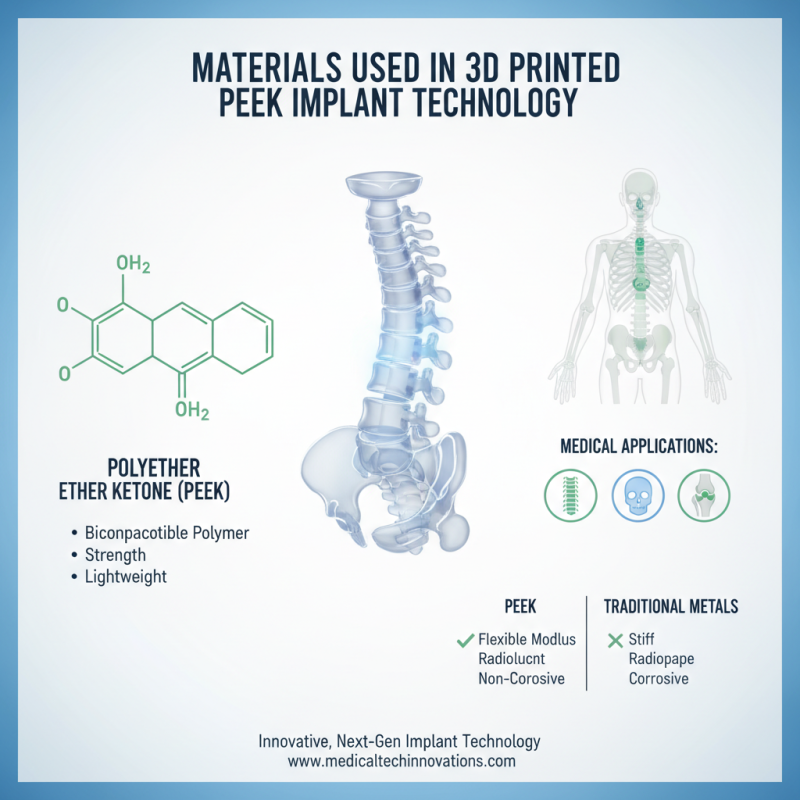
3D printed PEEK implants are gaining attention in the medical field. This innovative technology uses polyether ether ketone (PEEK) as a main material. PEEK is a biocompatible polymer, making it suitable for various medical applications. Its strength and lightweight properties offer significant advantages over traditional materials like metals.

The process of 3D printing allows for the customization of implants. Surgeons can create tailored solutions for each patient’s anatomy. This unique aspect can lead to better fitting implants and improved outcomes. PEEK is not only strong but also resistant to wear and corrosion. This provides long-term stability in the body.

However, challenges exist. The production process requires precision and careful monitoring. Quality control is crucial to ensure a safe implant. Some experts express concerns over the mechanical properties of PEEK compared to metals. Research is ongoing to address these issues. Overall, the potential of 3D printed PEEK implants is promising, but it requires further exploration.

Advantages of PEEK Implants Over Traditional Materials

3D printed PEEK (Polyether ether ketone) implants are revolutionizing patient care in orthopedic and dental fields. They offer significant advantages over traditional materials like metals or ceramics. One key benefit is their lightweight nature. PEEK implants weigh considerably less than their metal counterparts, which can enhance patient comfort.

In addition to being lighter, PEEK is biocompatible. This means it integrates well with human tissue. Unlike metals, PEEK does not cause adverse reactions. This can lead to fewer complications during recovery. Moreover, PEEK has a similar elasticity to bone, which can reduce stress shielding. This feature helps maintain the bone's integrity over time.

Yet, challenges remain. 3D printing technology is still evolving. Not all medical facilities have access to these advanced printers. There may be variability in the manufacturing process that could affect the quality of implants. It is crucial for practitioners to stay informed about these factors. Continuous learning and adapting are essential in this field. While PEEK implants show promise, ongoing research and development are necessary for optimal patient outcomes.

Patient Outcomes and Recovery with PEEK Implants

PEEK, or Polyetheretherketone, is a biocompatible material used in 3D printed implants. These implants cater to various medical needs. They are becoming popular due to their unique properties. PEEK implants offer strength and flexibility. They can mimic the characteristics of natural bone, allowing for better integration in the body.

Patient outcomes with PEEK implants are showing positive trends. Many report reduced pain after surgery. Recovery time appears shorter compared to traditional materials. Surgeons note improved mobility and function in patients.

However, challenges exist. Some patients still experience complications, like infection or implant failure. Continuous monitoring and evaluation are critical for success.

The long-term effects of PEEK implants remain under investigation. Research is ongoing to address potential risks and enhance performance. It’s essential for patients to stay informed. Engaging in discussions with healthcare providers helps in understanding their options. Embracing this evolving technology can pave the way for better patient care.

Future Trends in 3D Printed PEEK Implant Development and Use

The development of 3D printed PEEK implants shows promising trends that could transform patient care. These implants are lightweight yet strong, making them suitable for various medical applications. Advancements in 3D printing technology allow for customized shapes and sizes to fit individual patient needs. Personalized implants can lead to better surgical outcomes and quicker recovery times.

The future of 3D printed PEEK implants may involve integrating smart technology. For instance, sensors could monitor healing. However, the path is not without challenges. Regulatory hurdles and material standardization issues still need addressing. Researchers also have to explore the long-term effects of PEEK in the human body. Despite potential complications, the outlook remains positive. Continuous innovation and rigorous testing could enhance the utility of these implants, ultimately benefiting patients.