| Active Pharmaceutical Ingredient | Cefotaxime sodium is the sterile injectable sodium salt of cefotaxime, a third-generation cephalosporin antibacterial agent. | API specification, manufacturing site details, supplier qualification records, and current certificate of analysis. | Required |
| Finished Dosage Form | The product is generally supplied as a sterile powder for solution for injection or infusion and is commonly packed in single-dose glass vials. | Approved product specification, container-closure description, fill-volume controls, and finished-product batch records. | Required |
| Common Strengths | Commercial presentations commonly include 500 mg, 1 g, and 2 g strengths, although availability depends on the applicable market authorization. | Strength-specific registration documents, artwork, approved labeling, and market-specific product licenses. | Market-Dependent |
| Administration Routes | Approved use may include intravenous and intramuscular administration. The permitted route and reconstitution instructions must follow the local product label. | Country-specific package insert, reconstitution data, compatibility information, and administration instructions. | Verify by Market |
| Sterility Assurance | Injectable cefotaxime sodium must comply with applicable sterile medicinal-product requirements, including validated aseptic processing or an approved sterilization process where applicable. | Media-fill results, environmental-monitoring trends, sterility-test results, endotoxin data, and aseptic-process validation summaries. | Critical |
| GMP Compliance | Manufacturing should be conducted under an applicable current Good Manufacturing Practice system, with documented quality management, deviation control, CAPA, and change control. | Recent regulatory inspection history, GMP certificate, quality manual, deviation/CAPA procedures, and audit responses. | Critical |
| Manufacturing Capacity | Annual cefotaxime sodium injection capacity is not consistently disclosed in public sources and cannot be reliably compared without site-specific evidence. | Installed vial-filling capacity, validated batch size, planned annual capacity, utilization rate, production calendar, and capacity-allocation letter. | Site Verification Needed |
| Production Line Capability | Relevant capability includes sterile powder filling, vial washing, depyrogenation, stoppering, capping, visual inspection, serialization where required, and secondary packaging. | Equipment list, line qualification status, maximum batch size, filling-speed range, and maintenance records. | Required |
| Quality-Control Testing | Typical release testing may include appearance, identification, assay, related substances, water content, sterility, bacterial endotoxins, particulate matter, pH after reconstitution, and container-closure integrity, subject to the applicable monograph and authorization. | Complete certificate of analysis, validated analytical methods, method-transfer records, reference standards, and out-of-specification handling procedure. | Required |
| Pharmacopeial Compliance | Specifications may reference a recognized pharmacopoeia or an approved in-house specification. Acceptance criteria must be taken from the current applicable monograph or regulatory dossier. | Current monograph reference, specification revision history, analytical validation package, and regulatory approval evidence. | Confirm Standard |
| Stability Program | Stability data should support the proposed shelf life and storage conditions for the specific vial, stopper, carton, and market configuration. | Long-term and accelerated stability reports, in-use stability after reconstitution, photostability data where applicable, and ongoing-stability commitments. | Required |
| Storage and Transport | Storage conditions are product- and market-specific. Temperature protection, moisture control, light protection, and shipment qualification should be defined in the approved labeling and quality agreement. | Approved storage statement, transport lane qualification, temperature-monitoring records, excursion procedure, and shipping-validation report. | Label-Dependent |
| Container-Closure System | Common packaging uses a glass vial with an elastomeric stopper and an aluminum seal. Compatibility and extractables/leachables assessments should support the selected components. | Container-closure specifications, supplier qualification, extractables/leachables assessment, particulate controls, and closure-integrity testing. | Required |
| Regulatory Documentation | International supply may require a product dossier, manufacturing authorization, GMP evidence, certificate of pharmaceutical product, free-sale documentation, and country-specific registration materials. | Registration status by country, dossier index, approved manufacturing sites, legal manufacturing authorization, and regulatory-change history. | Country-Specific |
| Global Supply Coverage | Global availability depends on local registration, approved manufacturing sites, import permits, batch-release requirements, logistics routes, and national procurement rules. | Country-by-country supply map, export history, distributor authorization, lead-time data, and contingency-supply plan. | Verify by Region |
| Supply-Chain Resilience | Supply continuity is strengthened by qualified alternate sources for API, vials, stoppers, packaging materials, utilities, and critical production services. | Business-continuity plan, dual-source strategy, safety-stock policy, alternate-site qualification, and shortage-response procedure. | Recommended |
| Batch Traceability | Each commercial batch should be traceable from API and packaging components through production, quality release, distribution, and recall management. | Batch numbering policy, electronic or paper traceability records, distribution logs, recall procedure, and mock-recall results. | Required |
| Commercial Lead Time | Lead time varies according to registration status, order quantity, production scheduling, quality-release testing, and international logistics. A universal lead-time figure is not technically reliable. | Recent purchase-order lead times, minimum order quantity, release timeline, forecast requirements, and documented on-time-delivery performance. | Request Evidence |
| Supplier-Selection Priority | For sterile injectable products, regulatory compliance, sterility assurance, validated capacity, consistent analytical results, and supply continuity should take priority over price alone. | Use a weighted supplier scorecard covering quality, compliance, capacity, delivery reliability, technical support, and total landed cost. | Best Practice |





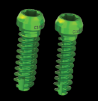
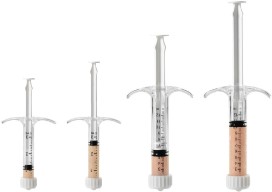
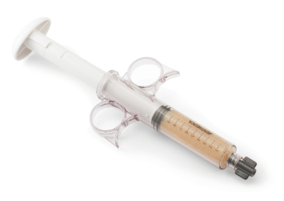
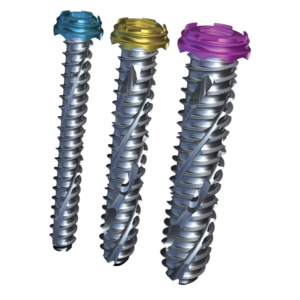

 System Features
 Key Features
 Key Features
 Key Features
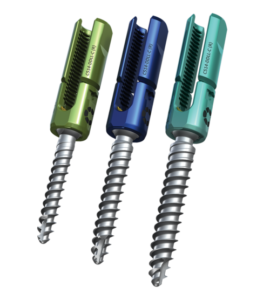 Key Features
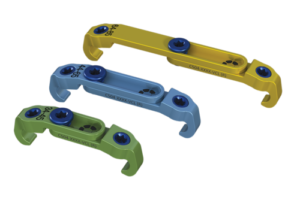 Key Features
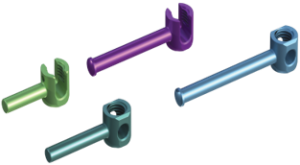 Key Features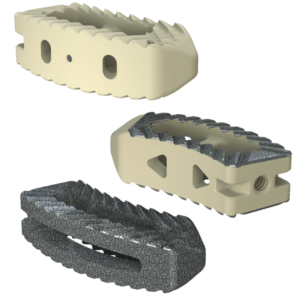



 Key Features
 Key Features
 Key Features