| SMT Component Pitch | Standard
0.65 mm lead pitch for fine-pitch ICs; 0402 metric passives commonly supported. | Production Ready
0.50 mm lead pitch; 0201 metric passives subject to board design, placement, and inspection limits. | High Density
0.40 mm lead pitch and selected 01005 metric passives with controlled process windows. | Machine placement accuracy, feeder specifications, component library limits, first-article records, and sample assemblies. |
| BGA Density and Pitch | 0.80 mm BGA pitch with conventional solder-mask-defined or non-solder-mask-defined land patterns. | 0.65 mm BGA pitch with X-ray inspection and controlled reflow profiling. | 0.40–0.50 mm BGA pitch, micro-BGA, and fine-pitch area-array packages supported by advanced X-ray and process validation. | 2D or 3D X-ray capability, voiding criteria, rework limits, solder-paste inspection data, and package-specific yield history. |
| Board Technology | Two- to six-layer FR-4 boards with conventional surface-mount and through-hole components. | High-layer-count digital boards, mixed-technology assemblies, controlled impedance, and lead-free processing. | HDI, rigid-flex, fine-line geometries, embedded components, and high-speed signal-integrity applications subject to design review. | Design-for-manufacturing checklist, stack-up review, impedance test reports, material approvals, and process capability studies. |
| Placement Accuracy | Typical equipment capability around ±50–75 µm, depending on package type, board size, and process conditions. | Typical equipment capability around ±30–50 µm with calibrated vision systems and verified feeder maintenance. | Typical equipment capability at or below ±30 µm for suitable components and validated production conditions. | Calibration certificates, placement capability studies, Cpk data, machine maintenance logs, and actual production samples. |
| Inspection Coverage | Automated optical inspection for accessible solder joints, with manual inspection for selected components. | 100% automated optical inspection plus X-ray inspection for BGAs, QFNs, bottom-terminated components, and hidden joints. | SPI, AOI, 2D/3D X-ray, automated verification, solder-joint analytics, and closed-loop defect feedback. | Inspection coverage map, false-call and escape-rate data, X-ray images, defect Pareto reports, and inspection programming controls. |
| Process Standards | Documented workmanship controls based on IPC-A-610 requirements and controlled soldering procedures. | IPC-A-610 Class 2 or Class 3 workmanship capability, J-STD-001 soldering controls, and documented process audits. | Class 3 production support, validated special processes, formal corrective-action systems, and customer-specific quality plans. | Certification scope, internal audit schedule, operator training records, nonconformance procedure, and corrective-action examples. |
| Traceability | Lot-level records for printed circuit boards, major components, and finished assemblies. | Serial-number or barcode traceability linking components, feeders, machines, operators, inspection results, and work orders. | Full genealogy from supplier lot and date code through placement location, reflow profile, inspection image, test result, and shipment. | Demonstration of the manufacturing execution system, sample genealogy report, barcode rules, retention period, and data-export format. |
| Material Control | Approved vendor list, incoming visual inspection, and basic moisture-sensitive-device handling. | MSL labeling, floor-life monitoring, dry-cabinet storage, date-code control, counterfeit screening, and nonconforming-material segregation. | Automated inventory control, lot genealogy, humidity and temperature logging, component authenticity testing, and obsolescence management. | Storage records, MSL handling procedure, component verification method, FIFO/FEFO policy, and material quarantine records. |
| Testing Capability | Visual inspection, continuity checks, and basic functional testing when fixtures are available. | Flying-probe or in-circuit testing, boundary-scan support, functional testing, and test-jig management. | Automated functional test, programming, burn-in, environmental screening, end-of-line data capture, and test-result genealogy. | Test coverage percentage, fixture ownership model, programming controls, golden-unit procedure, and sample test reports. |
| Prototype Volume | Approximately 1–20 assembled boards per build, with engineering review and manual process support. | Approximately 20–500 boards per build using repeatable SMT setup and documented first-article approval. | Rapid-turn prototype cells with controlled NPI processes, typically supporting multiple revisions and short pilot runs. | Quoted prototype lead time, setup charges, NPI workflow, minimum order quantity, and revision-control procedure. |
| Low-to-Medium Volume | Approximately 500–10,000 boards per month, depending on component count, board size, and test requirements. | Approximately 10,000–50,000 boards per month with scheduled SMT lines and formal production planning. | Multi-line capacity above 50,000 boards per month, subject to placement points, product mix, and changeover requirements. | Monthly placement-point capacity, line utilization, changeover time, bottleneck analysis, and capacity-reservation policy. |
| High-Volume Readiness | Suitable for repeat orders with relatively stable designs and moderate product variation. | Dedicated production planning, line balancing, preventive maintenance, and documented capacity commitments. | Parallel production lines, automated material replenishment, real-time performance dashboards, and disaster-recovery planning. | On-time delivery history, overall equipment effectiveness, business-continuity plan, backup equipment, and escalation contacts. |
| Rework and Repair | Manual soldering and component replacement for common packages under controlled work instructions. | Hot-air, BGA rework, microscope inspection, reballing controls, and post-rework X-ray or AOI verification. | Validated rework profiles, localized preheating, low-thermal-mass repair capability, repair traceability, and failure analysis support. | Rework acceptance criteria, operator qualifications, repair yield, rework limits, and before-and-after inspection records. |
| Delivery and Risk Control | Standard purchase-order planning with basic lead-time communication. | Material-risk review, approved substitutes, shortage escalation, engineering-change control, and scheduled production updates. | Dual-source planning, lifecycle monitoring, supplier risk scoring, contingency inventory, and formal business-continuity controls. | Supply-chain dashboard, last-time-buy procedure, alternate-part approval process, lead-time assumptions, and risk register. |






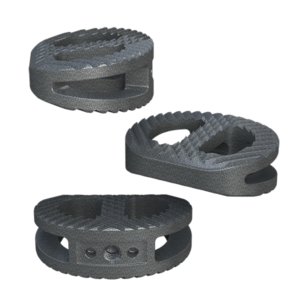 System Features
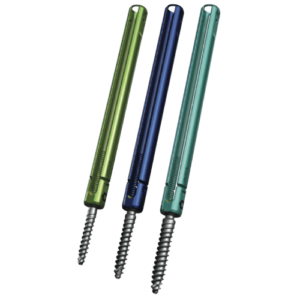 Key Features
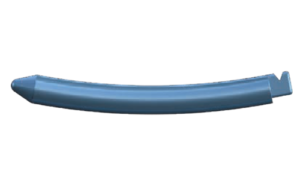 Key Features
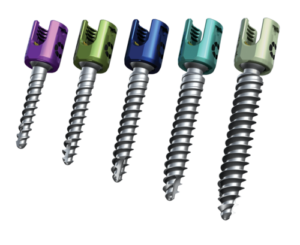 Key Features
 Key Features
 Key Features
 Key Features
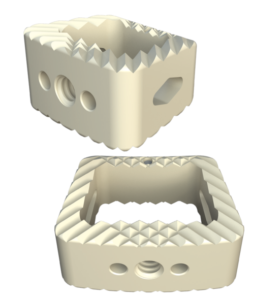 Key Features
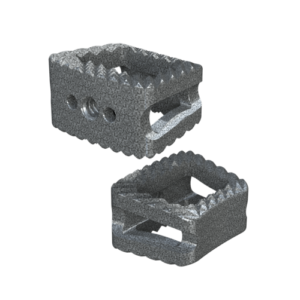 Key Features
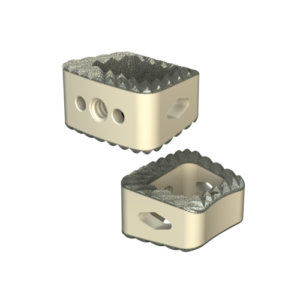 Key Features