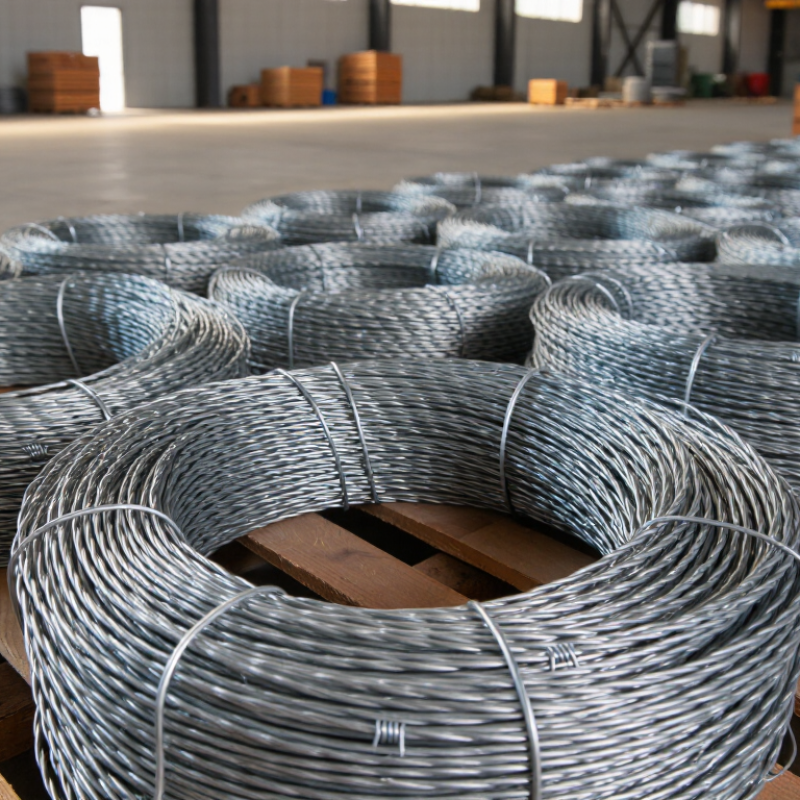
| Hot-Dip Galvanized Barbed Wire | Steel line wires twisted with barbs; commonly supplied in two-strand construction. Wire diameters and barb spacing vary by specification. | Farm boundaries, livestock fencing, and general perimeter fencing in inland or moderately exposed locations. | Zinc coating provides sacrificial corrosion protection. Performance depends on coating mass, exposure, and installation conditions. | Confirm line-wire and barb-wire diameters, barb spacing, coil length, coating requirement, and applicable test documentation. | Request coil outside diameter, coil weight, packing method, and pallet dimensions before booking freight. Protect coils from prolonged wet storage. | Inspect for broken wires, loose ties, coating damage, and vegetation contact. Repair damaged sections and keep the fence tensioned appropriately. |
| PVC-Coated Galvanized Barbed Wire | Galvanized steel wire with an additional polymer coating; color and coating thickness are supplier-specific. | Projects requiring a colored finish or an added barrier against direct exposure, where the coating specification suits the site. | The underlying zinc coating and outer polymer layer provide separate protective functions. Cuts, cracks, or abrasion can expose the substrate. | Specify the galvanized substrate, coating material and thickness, color, adhesion requirements, and UV suitability for the destination climate. | Use packaging that prevents sharp barbs from puncturing adjacent coils or protective wrap. Check destination import rules for polymer-coated goods. | Check for peeling, cracking, or abrasion, particularly at bends and contact points. Replace sections with extensive coating damage. |
| Zinc-Aluminum Alloy-Coated Barbed Wire | Steel wire coated with a zinc-aluminum alloy; exact alloy composition and coating mass depend on the order specification. | Fencing projects seeking an alternative metallic coating for exposed outdoor service; confirm suitability for the local environment. | Coating performance depends on alloy composition, coating mass, and site conditions. Avoid assuming a universal service life. | Ask for coating composition, coating mass or thickness, test method, wire dimensions, and a certificate matching the shipment. | Ensure the commercial documents describe the coating accurately. Confirm packing and container-loading plans for heavy, compact coils. | Inspect for mechanical damage, corrosion, and contact with dissimilar metals. Follow the supplier's guidance for cut ends and repairs. |
| High-Tensile Barbed Wire | Higher-strength steel wire construction; available dimensions and tensile properties vary. Installation requirements may differ from softer wire. | Long fence runs and agricultural boundaries where the design calls for fewer supporting structures, subject to local engineering and fencing practices. | Usually supplied with a metallic protective coating; confirm the coating type and specification separately from tensile properties. | Verify tensile strength range, wire diameter, elongation, barb spacing, recommended posts, and installation instructions as a complete system. | Confirm coil mass and safe handling equipment. Clearly label bundles and provide handling guidance to the receiving warehouse. | Use suitable tensioning and anchoring methods. Inspect end assemblies and posts regularly; do not over-tension beyond the system design. |
| Standard Galvanized Barbed Wire for General Fencing | Common two-strand twisted wire with evenly spaced barbs; custom coil lengths and dimensions may be available. | General agricultural and property fencing where the required security level and local regulations permit barbed wire. | Typically protected by a zinc coating. Specify coating requirements rather than relying on a generic “galvanized” description. | Match the product to fence height, post spacing, intended use, local safety rules, and the buyer's installation method. | Compare quotations on net wire weight, coil length, packing, and delivery terms—not price per coil alone. Confirm shipment marks and packing list details. | Check tension, posts, and boundary visibility periodically. Keep people and animals clear during installation and maintenance. |
| Custom-Specification Barbed Wire | Dimensions, coating, barb spacing, coil length, and packing are defined in the purchase specification. | Projects with fixed drawings, local procurement requirements, or compatibility needs for an existing fence system. | Protection method is selected in the specification; request measurable coating criteria and acceptance requirements. | Approve a written specification and pre-shipment inspection plan. State tolerances, sampling method, documents, and remedies for nonconformity. | Confirm country of origin, tariff classification with a customs broker, shipping marks, document language, and destination-specific import requirements. | Keep the approved specification and inspection records for future replacement orders. Inspect delivered goods before installation. |






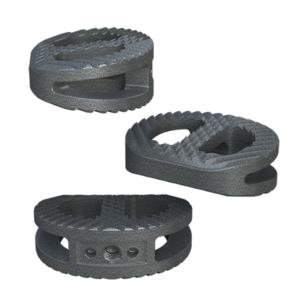 System Features
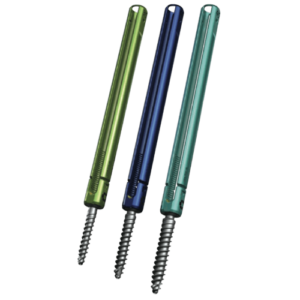 Key Features
 Key Features
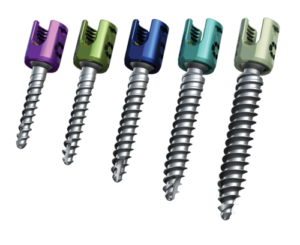 Key Features
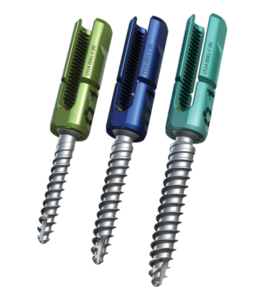 Key Features
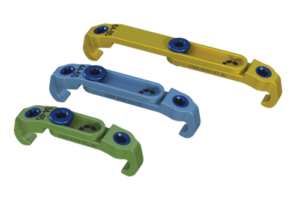 Key Features
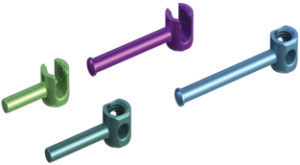 Key Features
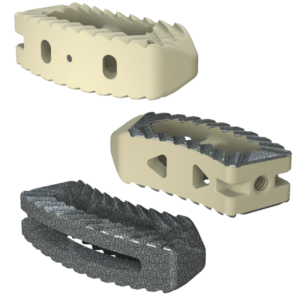
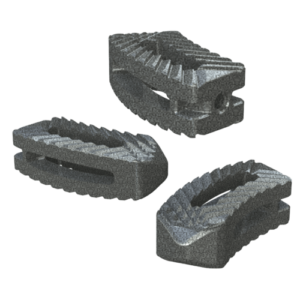
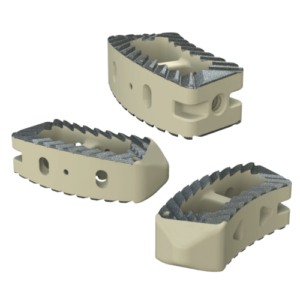
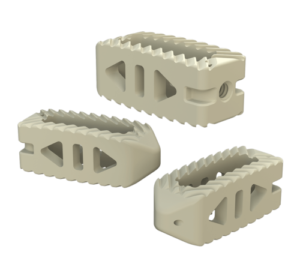
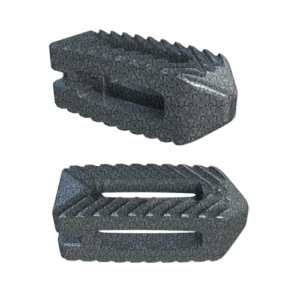
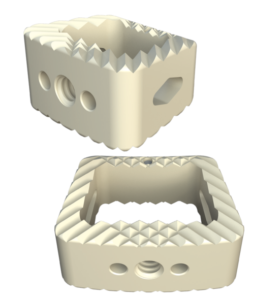 Key Features
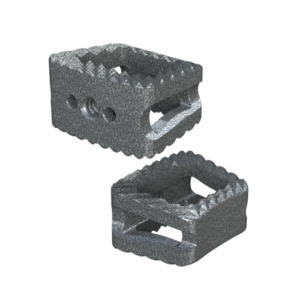 Key Features
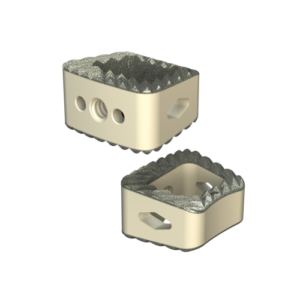 Key Features