| Material Type and Application Fit | 12% | Confirm whether the product is quartz agglomerate, sintered or ceramic slab, acrylic solid surface, porcelain, or engineered terrazzo. The product category must match the intended use, such as kitchen worktops, bathroom vanities, wall cladding, flooring, or commercial interiors. | - Technical data sheet with composition and intended applications
- Recommended indoor and outdoor use conditions
- Written limitations for heat, chemicals, UV exposure, and unsupported spans
- Project references using the same product category
| 0–5 points
5 = exact application match and clearly documented limitations; 0 = unclear composition or unsuitable application. |
| Product Testing and Technical Performance | 15% | Test results should cover properties relevant to the product, including water absorption, flexural strength, abrasion resistance, stain resistance, chemical resistance, dimensional tolerance, and slip performance where applicable. Results should identify the test method, laboratory, date, and product reference. | - Laboratory reports issued for the proposed product series
- Applicable methods such as EN 14617, EN 14411, ISO 13006, ASTM C373, ASTM C880, or product-specific national standards
- Traceable sample, batch, or model number
- Confirmation that reports are not generic reports for a different material
| 0–5 points
5 = complete, current, traceable testing; 3 = partial testing; 0 = unsupported performance claims. |
| Quality Management System | 10% | A documented quality system should control incoming materials, production parameters, inspection, nonconforming products, corrective action, and final release. ISO 9001 certification can support system verification but does not by itself prove product quality. | - Valid ISO 9001 certificate and certification-body details
- Factory quality-control plan and inspection records
- Batch coding and product traceability procedure
- Recent corrective-action examples with confidential details removed
| 0–5 points
5 = certified and operational system with traceability; 0 = no documented quality process. |
| Consistency of Color, Veining, and Surface Finish | 12% | The supplier should define acceptable variation between samples, production batches, slabs, thicknesses, and polished or honed finishes. Natural-looking patterns and digitally printed surfaces require especially clear color-control procedures. | - Approved color sample or signed master sample
- High-resolution photos and videos of full slabs under neutral lighting
- Color-tolerance or shade-group procedure
- Pre-shipment inspection process and replacement policy for unacceptable variation
| 0–5 points
5 = approved reference and defined tolerance; 0 = only small samples or uncontrolled visual variation. |
| Health, Safety, and Regulatory Compliance | 12% | Compliance depends on the destination market and intended application. Buyers should verify chemical content, indoor-emission requirements, food-contact suitability where relevant, and safe fabrication information. Crystalline-silica exposure must be addressed through appropriate safety documentation and work controls. | - Safety Data Sheet prepared under the applicable GHS system
- REACH, RoHS, indoor-air, or other destination-market documents where applicable
- NSF/ANSI 51 evidence when food-equipment suitability is claimed
- Fabrication safety guidance covering wet cutting, ventilation, and respiratory protection
| 0–5 points
5 = destination-specific evidence and safety guidance; 0 = unsupported compliance statements. |
| Factory Capacity and Production Reliability | 10% | Capacity should be evaluated against the buyer’s required slab sizes, thicknesses, monthly volume, order frequency, and peak-season schedule. A supplier should be able to explain production slots, maintenance controls, and contingency arrangements. | - Verified factory address and production-line overview
- Capacity statement by product type and slab size
- Production schedule for trial and repeat orders
- Evidence of backup arrangements for critical raw materials and equipment
| 0–5 points
5 = capacity matches the project with contingency planning; 0 = capacity is unverifiable. |
| Minimum Order Quantity and Commercial Flexibility | 8% | Compare minimum order quantities by color, thickness, finish, and slab size rather than using one general MOQ. Include sample charges, mold or development fees, mixed-container rules, payment terms, and validity of quotations. | - Written quotation with Incoterms® 2020 rule and named place
- MOQ table by product and finish
- Sample, tooling, and development-cost schedule
- Payment milestones linked to production and inspection
| 0–5 points
5 = transparent and commercially suitable terms; 0 = hidden or frequently changing charges. |
| Packaging and Export Protection | 8% | Packaging must protect polished surfaces, corners, edges, and slabs against vibration, moisture, and movement during multimodal transport. Wood packaging exported internationally may need to comply with ISPM 15 requirements. | - Packaging specification and loading diagrams
- Container photos showing bracing, labeling, and weight distribution
- Confirmation of ISPM 15 treatment for regulated wood packaging
- Damage-claim procedure with inspection time limits
| 0–5 points
5 = tested export packaging and clear claims process; 0 = inadequate or undocumented protection. |
| Lead Time and On-Time Delivery | 8% | Lead time should be divided into sample approval, production, quality inspection, packing, and transit. The purchase contract should define the delivery point, shipment documents, delay notification, and remedies for material delay. | - Written production and shipment schedule
- Historical on-time-delivery data for comparable orders
- Booking and document-release procedure
- Escalation contact for delays or port disruptions
| 0–5 points
5 = measurable delivery history and contractual milestones; 0 = no reliable schedule. |
| Warranty, Claims, and After-Sales Support | 10% | Warranty coverage should distinguish manufacturing defects from installation, fabrication, misuse, thermal shock, structural movement, and normal appearance variation. Claim procedures must specify evidence, response time, replacement terms, and liability limits. | - Written warranty in the buyer’s contract language
- Installation and maintenance instructions
- Defined claim-response timeline
- Replacement, credit, or corrective-action policy
- References from comparable international projects
| 0–5 points
5 = clear, enforceable, destination-appropriate support; 0 = verbal-only promises. |
| Independent Verification and Supplier Transparency | 5% | Supplier information should be independently checked before commercial commitment. Registration, factory location, certificate validity, export history, beneficial ownership, and bank-account details should be consistent. | - Third-party factory audit or pre-shipment inspection
- Certificate verification through the issuing body
- Business registration and export documentation
- Bank-account name matching the contracting entity
- Video call from the production site with live product verification
| 0–5 points
5 = independently verified and consistent records; 0 = material discrepancies or refusal to verify. |
| Total Weighted Score | 100% | Use the same evidence standard for every shortlisted supplier. Score each dimension from 0 to 5, multiply by the assigned weight, and compare the weighted totals. Do not select a supplier on price alone. | - Supplier comparison worksheet
- Approved sample and technical file
- Signed commercial terms
- Independent inspection report before shipment
| Recommended decision rule
80–100: preferred candidate; 65–79: proceed only with corrective actions; below 65: continue supplier search. |









 System Features
 Key Features
 Key Features
 Key Features
 Key Features
 Key Features
 Key Features
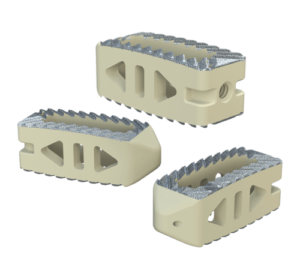

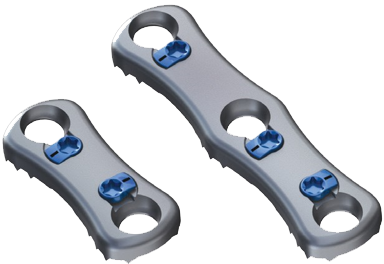

 Key Features
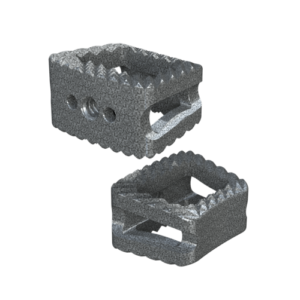 Key Features
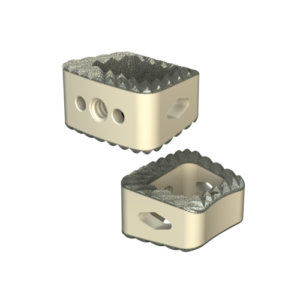 Key Features